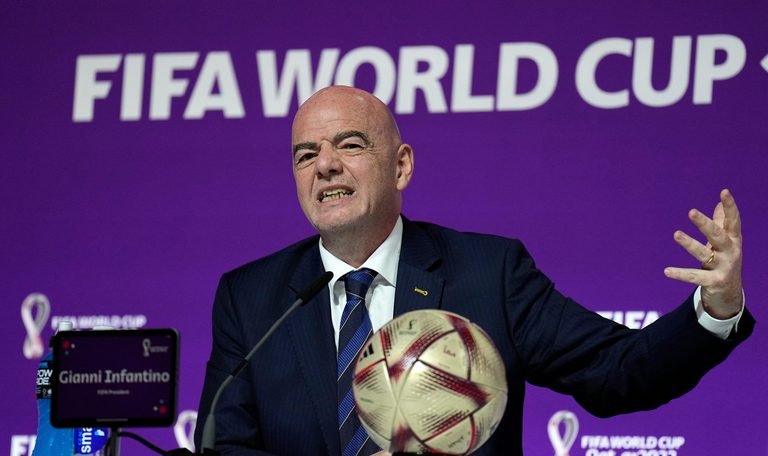
In a filing with the U.S. District Court for the District of Colorado, FIFA alleges that UEFA is running a “smear campaign” against the governing body and its leadership. The dispute centers on Gianni Infantino’s aborted proposal to sell minority stakes in the World Cup and other FIFA competitions to private‑equity firms for $4.2 billion.
Legal maneuvering in three courts
Last week UEFA submitted discovery requests in three separate U.S. courts – Colorado, the Southern District of New York, and Florida – seeking documents related to the proposed sale. FIFA’s motion to intervene asks that those discovery efforts be postponed or dismissed, arguing that UEFA’s requests are merely “press releases in further support of UEFA’s smear campaign against FIFA and its leadership.”
Key players and the proposed deal
One of the discovery requests filed in New York seeks documents from Josh Kushner and his firm Thrive Capital Management. Kushner, the younger brother of former President Donald Trump’s son‑in‑law Jared Kushner, was a partner in the FIFA Forward Enterprise (FFE) proposal that would have handed a permanent stake in the World Cup to private‑equity investors. After intense pushback from the global football community, FIFA withdrew the plan on Aug. 1.
In a statement to Axios, Kushner defended the proposal, saying Thrive “has a long track record of being a partner to all constituents.” He added that the firm “failed to appreciate the political dynamics of global football” and would not have become involved had it known how the effort would devolve.
UEFA’s counter‑claims
UEFA has indicated it is preparing a criminal complaint against Infantino in Swiss courts, alleging financial mismanagement. UEFA lawyers argue that the FFE plan was a vehicle for Infantino and a small inner circle to secure a permanent stake in FIFA’s most valuable assets, to the detriment of the organization, its members, and the broader football family.
FIFA counters that UEFA’s discovery request “suffers from a fundamental defect” because it seeks evidence to aid a foreign criminal proceeding that does not exist and that UEFA lacks authority to initiate.
Implications for global football
The clash highlights the growing tension between FIFA’s leadership and European football federations over the commercialization of the sport’s flagship events. While the proposed sale was framed by its proponents as a way to “unleash the commercial potential and opportunity that FIFA has,” critics argue it would have handed too much control to private investors, undermining the sport’s traditional governance structure.
As the legal battle unfolds, the outcome could set a precedent for how governing bodies handle future attempts to monetize major tournaments. For now, FIFA seeks to keep the discovery process at bay while UEFA prepares its own legal offensive.
Original reporting: Dallas TX News (HLL/CB) — read the source article.