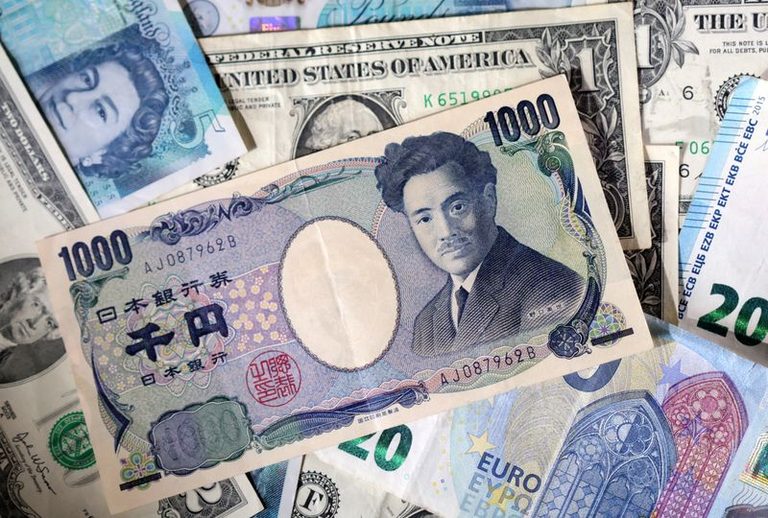
Tokyo – The Japanese yen continued its recent rally against the U.S. dollar on Friday, positioning itself for the strongest weekly gain in more than a month. Traders are increasingly betting that the Bank of Japan (BOJ) will adopt a more hawkish stance when it meets on September 17‑18.
In early trade, the yen climbed to as low as 155.25 per dollar, just shy of the 155.20 level reached after the July joint intervention by Japan and the United States. The currency later eased slightly, closing the day flat at 155.71 per dollar. Over the week, the yen is on pace for a 2.5% appreciation, the biggest weekly rise since the late‑July intervention that halted a prolonged slide.
Market Sentiment and BOJ Outlook
Analysts say the yen’s surge reflects growing expectations that the BOJ could tighten policy more aggressively than previously anticipated. “This feels less like a short squeeze and more like the market cautiously reassessing a more hawkish BOJ path,” said Masahiko Loo, senior fixed‑income strategist at State Street Investment Management in Tokyo. He added that markets are beginning to believe Japan may continue normalising policy into 2027.
Japan’s top currency diplomat, Atsushi Mimura, told reporters he remains alert to exchange‑rate movements and is in constant contact with U.S. authorities, keeping markets aware of the possibility of another yen‑buying intervention.
U.S. Dollar and Upcoming Data
The dollar index held steady at 99.01, leaving the euro unchanged at $1.1625 and the British pound at $1.3527. Attention now turns to key U.S. data releases ahead of the Federal Reserve’s policy meeting on September 15‑16, including the non‑farm payroll report later this week and the Consumer Price Index next week. The greenback is on track for a 0.7% weekly decline.
Federal Reserve Governor Christopher Waller indicated a leaning toward keeping rates steady at the upcoming meeting if inflation data continue to show moderating price pressures. Following his relatively dovish comments, traders reduced bets on a September rate hike, bringing the implied probability of a move back to about 50%.
Broader Market Context
Investors are also watching geopolitical tensions in the Gulf and their impact on inflation, with Brent crude futures trading above $95.52 a barrel after recent U.S. strikes on Iran. Meanwhile, the New Zealand dollar rose 0.2% to $0.5892 after the Reserve Bank lifted its cash rate by 25 basis points to 2.75% and signalled further tightening. The Australian dollar added 0.1% to $0.7206.
In the cryptocurrency market, Bitcoin slipped 0.3% to $80,995.51.
Original reporting: Appleton, WI News Feed (HLL/CB) — read the source article.