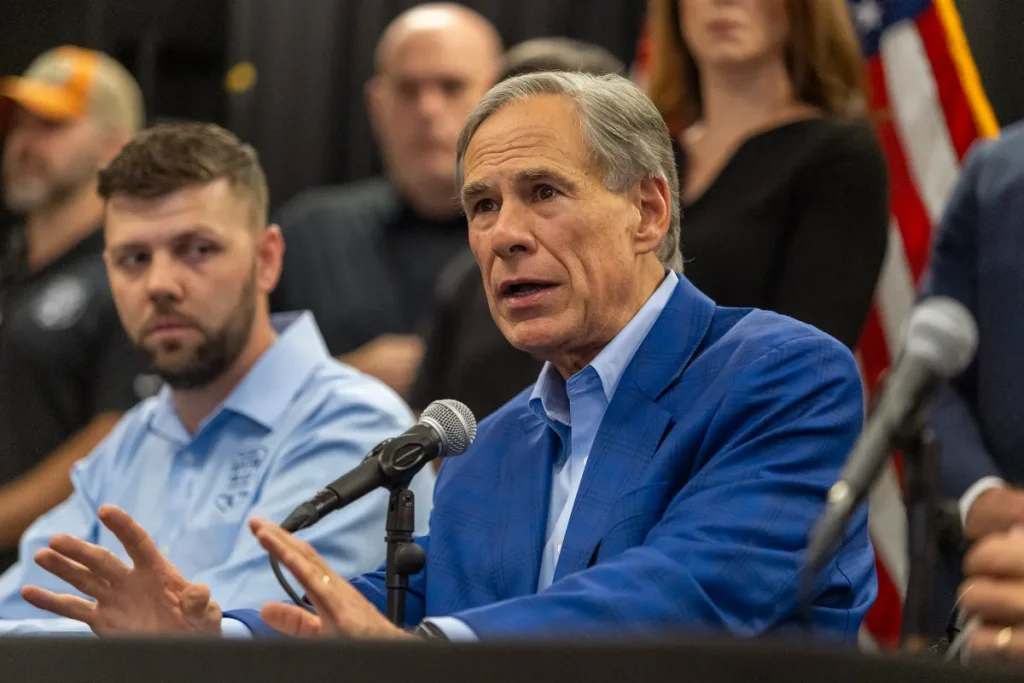
Governor Greg Abbott has reinforced his directive to Texas public colleges and universities, instructing them not to increase undergraduate tuition or fees for the 2026-27 school year. This reminder was issued in a letter sent to the presidents of these institutions, emphasizing that the freeze remains ‘fully in effect.’
Background on the Freeze
The tuition freeze was initially implemented for the 2023-24 and 2024-25 school years by Texas lawmakers. As the expiration of this freeze approached, Governor Abbott issued a directive in November 2024 to maintain the freeze, citing significant state investments in higher education as justification. In 2023, Texas legislators approved over $680 million to revamp community college funding and allocated $328 million for increased financial aid in the 2025-27 budget cycle.
University Responses and Fee Increases
Despite the directive, some university systems, such as the University of Texas System, have approved increases in non-academic mandatory fees. These include fees for athletics, student services, and medical services. For instance, the University of Texas Rio Grande Valley plans to raise its university services fee from $38.10 to $70 per semester credit hour starting in 2027. Archie L. Holmes Jr., the UT System’s executive vice chancellor for academic affairs, justified these increases as ‘non-academic in nature’ and well-considered by the institutions.
Similarly, the Texas A&M University System is contemplating changes to Tarleton State University’s health and wellness fee, proposing a shift from $4.91 per semester credit hour to a flat $75 per semester. This change aims to enhance student medical and mental health services, following a rise in student suicides and hospitalizations. The recreational and facilities fee might also increase from $100 to $125 per semester, with student votes showing support for these changes.
Commitment to Affordability
In response to the directive, UT System spokesman Ben Wright stated that the system remains ‘committed to affordability.’ He highlighted efforts to cover tuition and fees for eligible undergraduates from families with annual incomes below $100,000, noting that half of the 68,000 students graduating annually from UT institutions do so without tuition or fee debt.
Governor Abbott, who is up for reelection in November, expressed his intention to collaborate with state lawmakers in the upcoming session to extend the tuition freeze beyond the next academic year.
Original reporting: El Paso News (HLL/CB) — read the source article.