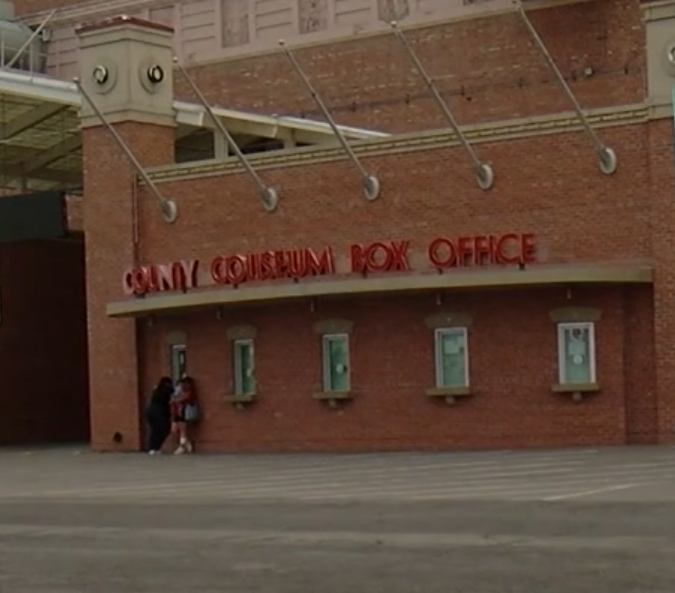
The El Paso County Coliseum in El Paso has been a Borderland landmark since the 1940s, hosting everything from rodeos to rock shows, and serving generations of families and performers. Recent weeks have thrust the Coliseum into the headlines thanks to contract disagreements and an ABC-7 investigation that picked up on complaints originally reported by KVIA. The venue’s cultural weight, its operational challenges, and the county’s role in resolving disputes all come into focus as locals watch what happens next.
Built to bring people together, the Coliseum’s roots run deep into El Paso life. Concert tours, community fairs, and livestock events have all passed through its doors, creating memories that span decades. Beyond entertainment, the building has been a meeting point for local identity and a steady employer in the area.
That long history doesn’t make the Coliseum immune to modern friction. Lately the story has shifted from performance nights to paperwork and legal wrangling, with contract terms and management responsibilities at the heart of the disagreements. Those practical concerns affect everything from how shows are scheduled to who gets paid and when.
KVIA first highlighted some of the community’s concerns, and ABC-7 followed with an investigation that widened the spotlight. The reporting brought attention to the county’s involvement, raising questions about procurement, oversight, and transparency. For residents who use the venue, the coverage crystallized worries that small operational breakdowns could snowball into canceled events and lost revenue.
Local promoters and artists are watching closely because uncertainty at the Coliseum ripples through the entertainment ecosystem. Booking agents need reliable contracts and clear payment terms to bring acts to El Paso, and vendors depend on predictable event dates to plan staffing and inventory. When those pieces wobble, the whole calendar can shift and opportunities can vanish.
County officials have a complicated job: they must balance stewardship of a public asset with the practical logistics of running a busy venue. Procurement rules, budget constraints, and public accountability can slow down decisions that promoters expect to be swift. Still, taxpayers want assurance that public property is managed efficiently and that disputes don’t siphon funds away from other local needs.
Community advocates point to the Coliseum’s broader significance beyond ticket sales. For many neighborhoods, the arena remains one of the few large indoor spaces suited to family shows, education fairs, and cultural celebrations. Maintaining that access matters to groups who rely on affordable venues to host events that strengthen civic ties and local traditions.
Business owners near the Coliseum also feel the stakes. Bars, restaurants, and hotels see a direct boost from packed event nights, and a steady schedule of happenings helps sustain jobs. If contract turmoil leads to fewer headline shows, the economic fallout could be felt across adjacent blocks and among workers who count on event-driven income.
Fixing the dispute will require clarity and cooperation from all sides: county leadership, venue managers, promoters, and the public. Practical changes like clearer contracting standards, improved communication channels, and faster resolution timelines could restore confidence. At the same time, keeping the Coliseum accessible and affordable remains essential to preserving its role in El Paso’s cultural life.
As the ABC-7 probe continues to trail the story that KVIA raised, residents should expect updates and public meetings where voices can be heard. The Coliseum is more than a building; it’s a shared civic resource shaped by policy, market forces, and community needs. How local leaders address the current tensions will determine whether the Coliseum keeps its place at the center of Borderland entertainment for another generation.