Federal agents arrested Ceasar Tubay Gelacio Jr. off the Port of Los Angeles after discovering roughly 500 pounds of cocaine — an apparent $6.4 million shipment — hidden aboard the Motor Tanker Aquatravesia, a Greek-owned, Liberian-flagged crude oil tanker that had sailed from Ecuador. Authorities say the contraband was destined for a Mexican cartel and that Homeland Security Investigations teamed with the U.S. Coast Guard to intercept the ship as it reached U.S. waters near Los Angeles and Long Beach. The case centers on maritime smuggling, international transit, and a coordinated law enforcement response in Southern California.
Gelacio, a 43-year-old Filipino national, now faces federal importation charges tied to the controlled substance found on the vessel. The arrest followed boarding and inspection actions taken once the Aquatravesia reached port, and prosecutors say the affidavit in the case links Gelacio directly to handling the narcotics while the vessel was at sea. If convicted, he could face a life sentence, a stark reminder of how seriously authorities treat transnational drug trafficking through major ports.
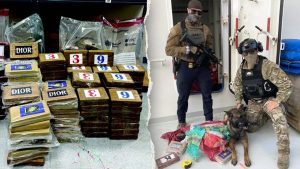
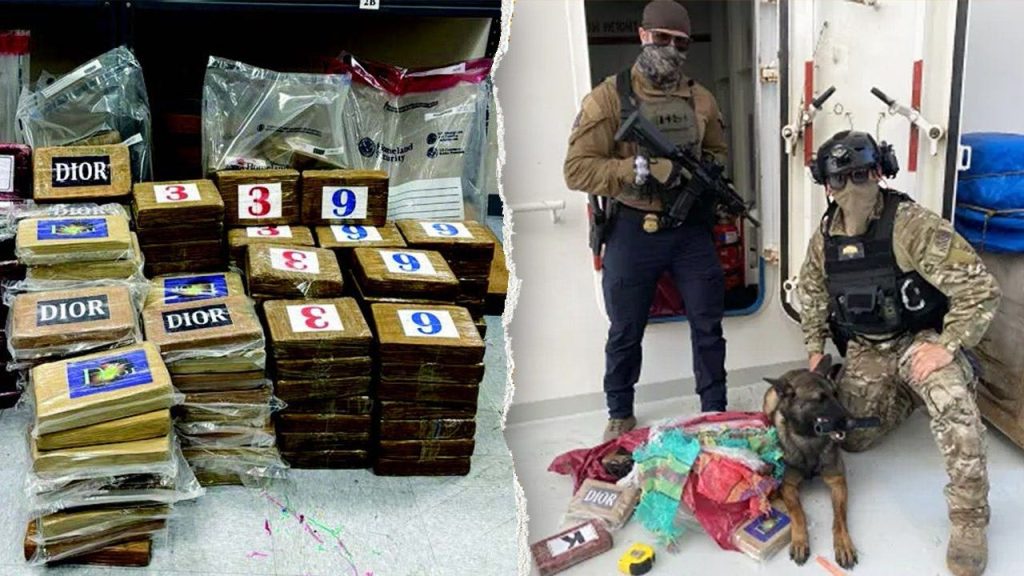
Investigators say the operation began when a Coast Guard narcotics detection canine alerted to suspected contraband aboard the tanker while it was docked at the Port of Los Angeles. Officers then discovered packages hidden in the ship’s garbage room, and later testing confirmed the material was cocaine totaling about 226 kilograms. Homeland Security Investigations and the Coast Guard worked together to secure the scene and remove the drugs from the vessel.
“This operation highlights Homeland Security Investigations’ unwavering commitment to combating transnational crime and safeguarding the United States from illicit narcotics,” HSI Los Angeles Special Agent in Charge Eddy Wang said in a statement. “HSI’s swift response and investigative expertise were instrumental in identifying and seizing over 226 kilograms of cocaine destined for our communities,” Wang continued. “We remain dedicated to pursuing those who attempt to exploit our ports and transportation systems, and to working with our partners to disrupt criminal organizations that threaten public safety.”
Coast Guard leaders described the seizure as the result of careful coordination among multiple federal partners. Capt. Stacey Crecy, sector commander for Coast Guard Sector Los Angeles-Long Beach, called the job a testament to teamwork and operational planning, noting the priority of keeping commerce moving safely in one of the nation’s busiest port complexes. “Through stellar coordination, we effectively detained the suspect and removed the contraband from the vessel to protect the maritime transportation system and facilitate commerce as quickly as possible,” Crecy said.
The affidavit filed by prosecutors lays out a timeline that begins with the Aquatravesia’s departure from Ecuador and alleges the ship was carrying a large cargo of drugs intended for handoff to cartel operatives. Crew members allegedly found and reported dozens of packages hidden inside the garbage room, and investigators say the ship’s captain questioned the crew and later moved the packages to another location aboard the vessel. The captain also reportedly received radio calls from cartel associates trying to communicate about the transfer.
Prosecutors allege cartel members planned to retrieve the narcotics roughly 80 nautical miles offshore between the evenings of May 14 and the early hours of May 15, and that additional boats would attempt to intercept the tanker in Mexican waters if the initial handoff failed. Law enforcement elected to direct the vessel into U.S. ports instead, where a boarding team could safely and legally secure the evidence and detain suspects. That decision prevented an at-sea transfer and kept the shipment out of cartel hands.
According to the government’s case, Gelacio received the narcotics in Ecuador and was moving them with the intent to transfer them near Mexican waters before distribution to other parties. Two additional people were also taken into custody linked to the operation, DHS confirmed, and federal prosecutors are pursuing charges that reflect the international scope of the alleged trafficking. The matter now moves through the Central District of California’s federal court system.
The operation underscores ongoing concerns about maritime smuggling routes and the vulnerability of global shipping lanes to exploitation by organized crime. It also highlights the role of partner agencies, on-the-ground crew reports, and detection tools like trained dogs in stopping large shipments before they reach communities. As this prosecution proceeds, authorities emphasize they will continue monitoring ports and coordinating with international counterparts to disrupt similar networks.