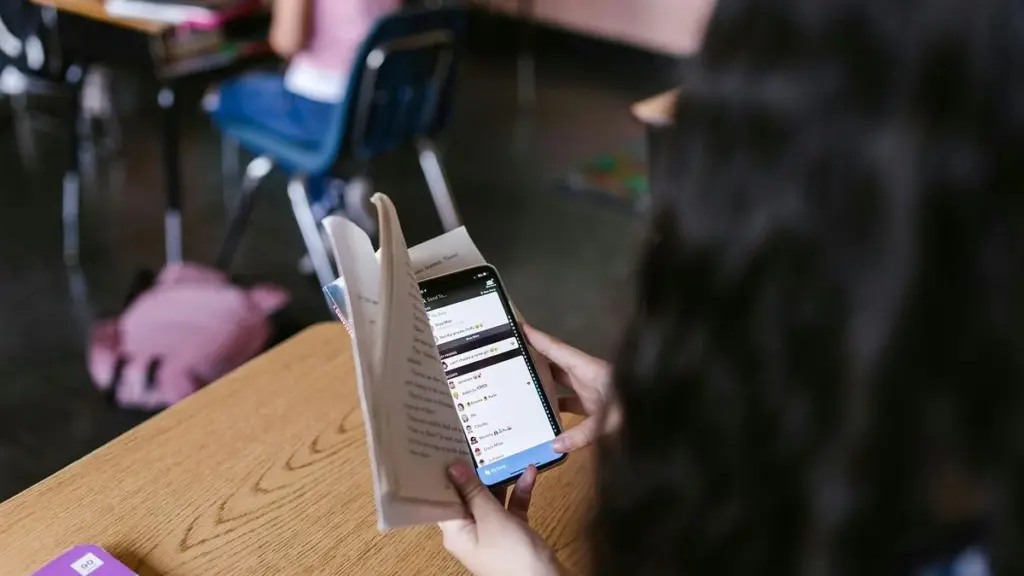
Senate Bill 1014 would ban student use of cellphones “bell-to-bell” during school hours, and it now sits waiting for House approval. The proposal has drawn strong backing from parents and teachers across the country, with surveys showing 74% of U.S. adults support a cellphone ban in middle and high school classrooms and more than 70% of both Republicans and Democrats in favor. Lawmakers and school officials are weighing the classroom benefits against enforcement headaches and concerns about student safety. This article walks through what the bill proposes, why people support it, what critics say, and how schools might actually put a ban into practice.
The core idea behind Senate Bill 1014 is straightforward: remove the constant distraction of personal phones during instructional time. Advocates say phones sap attention, reduce face-to-face interaction, and make it harder for teachers to teach. Supporters also point to research linking heavy smartphone use with poorer mental health among teenagers, arguing that fewer screens in school could help reset habits.
Public sentiment is a major driver of the bill’s momentum. Polling shows three in four adults nationally back restricting phones during class, and that support cuts across party lines with strong majorities among both Republicans and Democrats. For many parents, the appeal is as simple as wanting classrooms to be calm places where students can focus without alerts popping up every few minutes.
Teachers and principals often echo those concerns and add practical reasons for a ban. Phones can be used for cheating, sidetrack lessons with social media, and even stiffen classroom management when students expect instant access to entertainment. Many educators argue that restoring uninterrupted classroom time would improve learning outcomes and reduce the time wasted policing devices.
Yet critics warn about unintended consequences and practical limits. One frequent objection centers on safety: parents want reliable ways to contact kids in an emergency, and some students need phones for medical alerts. Others worry about unequal enforcement, saying a ban could unfairly punish students who rely on phones for translation, accessibility tools, or homework coordination.
Implementation is another sticking point. Schools considering a ban must decide who enforces it and what penalties look like. Some districts use secure lockers, phone pouches, or collection at the start of the day, while others allow phones on campus but locked away during class. Each method carries costs and administrative burdens that vary with school size and funding.
Lawmakers are also thinking about exemptions and carve-outs. Common proposals include allowing phones during lunch, passing time, or for students with documented special needs. Some suggest technology solutions that limit internet access to school systems only, while others prefer simple, low-tech rules. These choices shape both the effectiveness of a ban and how disruptive it is to families.
Business and civil liberties groups have weighed in too, raising questions about privacy, parental rights, and whether schools should control students’ personal property. Those pushing back say policymakers must write clear rules so enforcement doesn’t become arbitrary or invasive. They also urge lawmakers to coordinate with districts so local realities guide any statewide policy.
Practical pilots at individual districts provide a mixed but informative picture. Some schools reported calmer classrooms and modest gains in focus after restricting phones. Others saw students find workarounds or shift their screen time to before and after school, blunting academic benefits. The takeaway from these experiments is that rules matter: strict, well-communicated policies paired with consistent enforcement tend to show the clearest effects.
At the state level, moving Senate Bill 1014 through the House will test whether lawmakers can translate broad public support into workable policy. If passed, schools will need time and resources to adopt systems that respect safety and equity while reducing classroom distractions. Regardless of the final language, the debate spotlights a simple question: what role should personal phones play in the place where kids learn?