Supersonic flight is making a comeback decades after the Concorde. The Federal Aviation Administration (FAA) has proposed new rules on supersonic flight, which could pave the way for faster-than-sound travel over land. The proposed rules include switching from a speed-based to a noise-based standard and repealing the 1973 prohibition on civilian supersonic flight over land.
Background
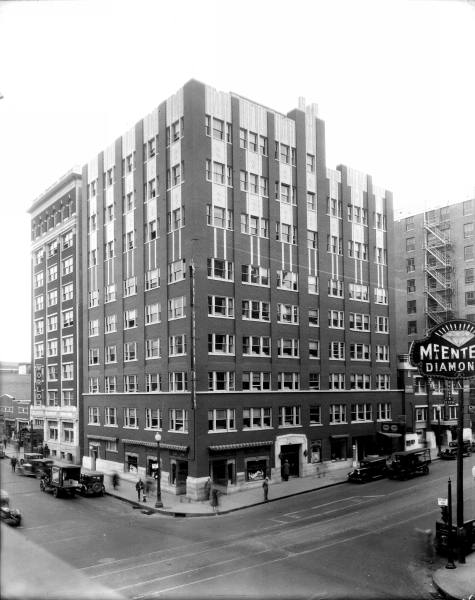
In the 1960s, the US Federal Aviation Administration conducted a test in Oklahoma City to gauge the public’s attitude toward supersonic flight. The test involved 1,253 sonic booms, which were part of an effort to assess the feasibility of supersonic travel. However, the test was met with opposition due to the noise and disruption caused by the sonic booms.
The Concorde, a supersonic jet that was in service from 1976 to 2003, was the only commercial supersonic airliner. However, it was limited by the ban on supersonic flight over land and was only used for transatlantic flights. The new proposed rules could change this and allow for supersonic travel over land.
New Technology
Two approaches are being developed to reduce the noise generated by supersonic flight. Colorado-based company Boom Supersonic is working on a technology that uses physics to prevent sonic booms from reaching the ground. NASA, on the other hand, is developing an experimental plane called X-59, which is designed to reduce the intensity of the sonic boom.
The success of these technologies could determine how fast supersonic travel can return and how many people will benefit from it. The FAA’s proposed rules include a noise limit of 0.11 pounds per square foot, which is significantly lower than the noise generated by the Concorde.
Original reporting: KEYT (Ventura/Santa Barbara) — read the source article.