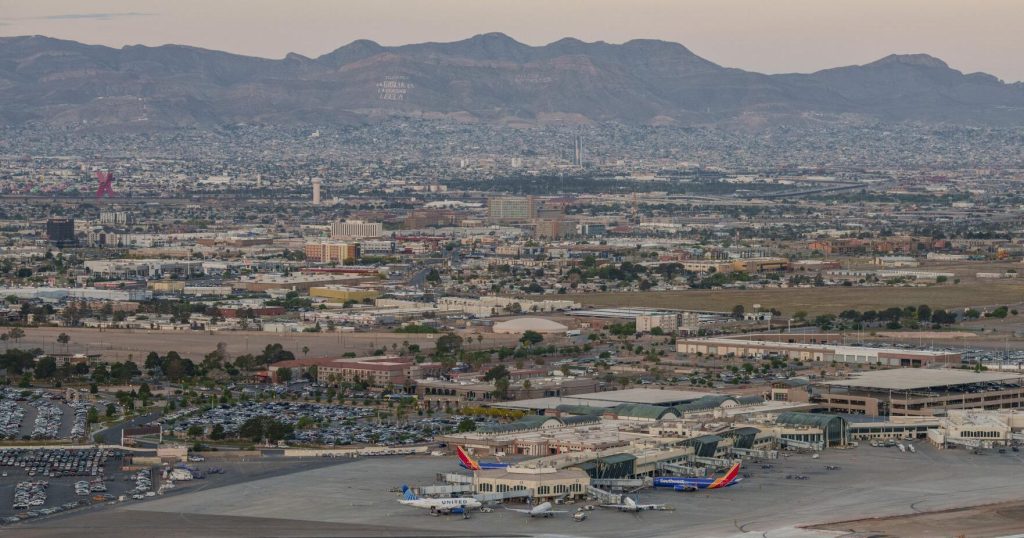
A sudden closure of airspace over El Paso left airport operations paused and residents searching for information late into the day. The stoppage came with little public notice, producing immediate disruptions to scheduled flights and creating confusion for people trying to understand what had happened and why.
Local airport staff and airlines scrambled to reroute or delay flights, while passengers were left waiting for updates. Emergency services and local government offices also had to confirm whether any critical operations were affected. For many residents, the most frustrating element was the lack of clear, timely communication about the reason for the shutdown and how long it would last.
Initial accounts indicate the disruption stemmed from a breakdown in communication among federal agencies responsible for managing airspace. When jurisdiction or control is transferred between agencies — such as civilian aviation regulators and military or homeland security authorities — coordination is essential. In this case, that handoff did not appear to be smooth, leading to the abrupt restriction of flights without the usual advance notice to local partners.
City and airport officials responded by seeking rapid clarification and asking federal partners to restore routine communication channels. Officials emphasized the need for a transparent explanation so residents and travelers could make informed decisions. Businesses and travelers impacted by cancellations and delays called for better notification systems that reach the public quickly when airspace actions are taken.
Moving forward, local leaders say they will press for a review of protocols that govern airspace closures and interagency alerts. The goal is clearer procedures and faster public messaging to minimize the economic and personal disruptions caused by sudden shutdowns. An after-action review and improved coordination tools could help prevent similar incidents and rebuild confidence among residents and travelers.