This piece looks at the forces driving recent oil price moves across the United States and explains what higher crude prices mean for oil companies and state governments, with a view of how consumers and policymakers feel the effects in places like Washington and state capitals. It covers supply and demand drivers, company behavior, and state revenue dynamics in plain terms so readers in Houston, Bismarck or Albany know what to watch. Here’s what you should know about the market forces at play and what higher prices mean for oil companies and the state.
Oil prices respond to a handful of clear forces: global demand, supply decisions by big producers, inventory levels and geopolitical risk. When economies grow, demand rises and that pushes prices up; when supply is tight because of cuts or production issues, prices spike quickly. Traders price in expectations, so a hint of disruption in the Middle East or a surprise reduction from a producer group can move markets fast.
For oil companies, higher prices usually mean stronger margins and healthier cash flow because the cost to pull oil from the ground does not rise as fast as the selling price. That extra money typically goes to pay down debt, return cash to shareholders, or fund new drilling and infrastructure projects. Companies that invested in efficiency and lower costs now get rewarded, while higher-cost producers face less pressure but also less room to expand profitably.
States that host oil and gas activity feel higher prices directly through severance taxes, royalties and corporate taxes that swell with production income. That can fund roads, schools and emergency services or create one-time surpluses that legislators debate how to spend. The catch is volatility, since those revenues can evaporate quickly if prices fall, making budgeting tougher and tempting short-term spending.
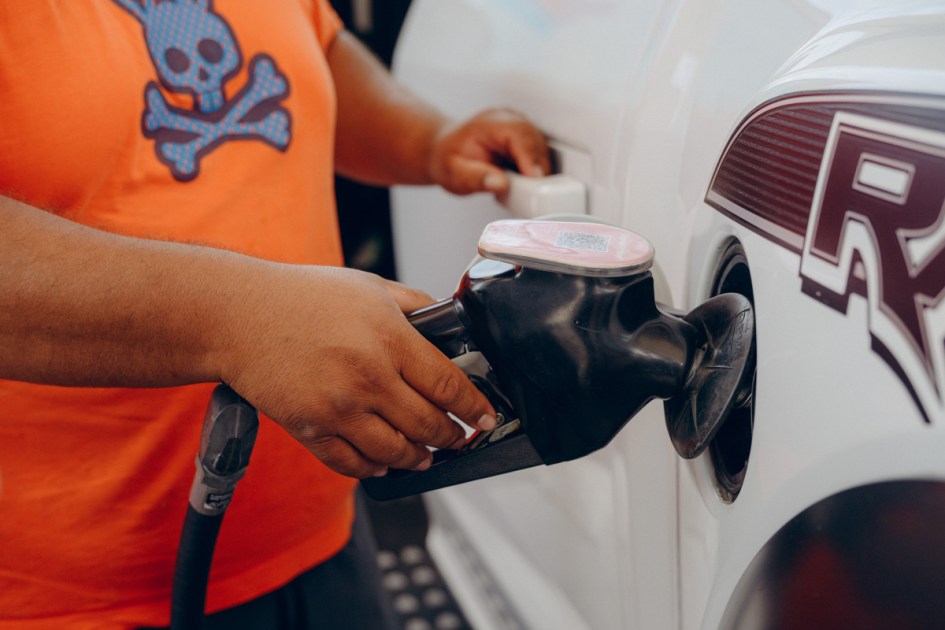
Consumers see the effects mostly at the pump and in broader inflation measures as fuel costs feed into transportation and goods prices. When crude climbs, gasoline follows with a delay and sometimes with more volatility due to refining bottlenecks and seasonal demand. That puts pressure on household budgets and can shift public sentiment about energy policy and economic performance.
Higher prices also change investment decisions inside energy companies and among financial stakeholders, often tilting capital toward more drilling and away from alternative investments. Firms chase profit opportunities by speeding up projects, buying acreage or restarting wells left idle when prices were low. At the same time, investors watch whether companies use windfalls for sustainable growth or just for dividend hikes and stock buybacks.
Policy tools matter when prices spike. Governments can release strategic reserves to temper a short-term shock, adjust tax rules to smooth revenue swings, or review permitting rules to influence long-term supply. Each tool has tradeoffs, and the political choices shape whether a price rise becomes a temporary bump or a structural shift in the market. State officials often face the immediate tradeoff between saving for a rainy day and meeting current demands for services.
Risks that keep prices unstable include geopolitical flareups, unexpected supply outages, rapid demand shifts and macroeconomic weakness that cools consumption. While a price surge helps company balance sheets and state budgets in the short run, it also raises the chance of hurtful reversals if demand drops or if global producers change course. Smart watchers track inventories, rig counts, and diplomatic developments to anticipate where the market might head next.
For readers, the sensible approach is to follow a few indicators rather than react to headlines: crude inventories, production levels, and policy moves in major producing countries. For businesses and state leaders, the challenge is turning unpredictable windfalls into durable advantage without assuming the good times will last. Keep an eye on companies that show disciplined capital plans and on state budgets that build reserves rather than expand recurring spending.