The World Health Organization has declared a new Ebola outbreak in central Africa a public health emergency of international concern, and that declaration is reverberating through hospitals, aid groups, and government health agencies. This piece walks through what the WHO decision means, where the risk is concentrated in central Africa, and how health systems and communities are reacting as cases and concern rise.
When the WHO invokes a public health emergency of international concern, it is signaling that a disease could spread across borders and needs coordinated international action. That label triggers guidance for travel, trade, and aid, and it nudges countries to share data, speed up lab testing, and back rapid-response teams in the field. For communities in central Africa already facing fragile health services, that international push can bring vital resources fast.
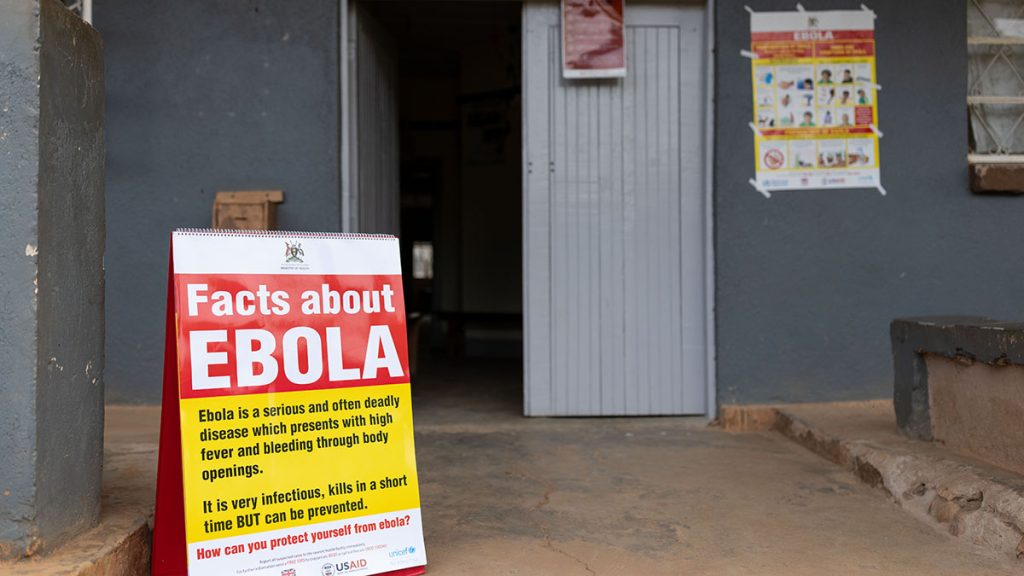
Ebola is spread through direct contact with bodily fluids from someone who is symptomatic, and outbreaks often grow in household, healthcare, and burial settings where close contact is routine. Symptoms can begin with fever, fatigue, and muscle pain, then progress to vomiting, diarrhea, and in severe cases internal and external bleeding. Early detection and isolation of cases, plus careful contact tracing, remain the most powerful tools to stop chains of transmission.
Vaccines have changed the calculus on Ebola in recent years, particularly the rVSV-ZEBOV vaccine used in past outbreaks, but supply, cold-chain logistics, and rapid deployment are still barriers in remote areas. Treatment options have improved too, with monoclonal antibody therapies showing effectiveness when given early, but access depends on functioning clinics and trained staff. For many districts in central Africa, getting vaccines and therapies to the right places quickly is the critical challenge.
Health systems in the affected regions face multiple pressures: limited ICU capacity, weak surveillance networks, and competing public health needs like malaria and maternal care. International aid often fills gaps, but sustainable control depends on strengthening local labs, training community health workers, and building reliable supply chains. That means investing now in people and infrastructure so the response does not stall once headlines fade.
Public messaging and community trust are central to any outbreak response, especially for a disease like Ebola that can be amplified by fear and misinformation. Simple, clear guidance about symptoms, when to seek care, and safe burial practices can save lives, but it has to come from trusted local leaders and health workers. Heavy-handed restrictions without community buy-in risk driving cases underground and making the outbreak harder to control.
For countries outside central Africa, the immediate risk to the public remains low if proper screening and public health measures are in place, but vigilance matters. Airports, clinics, and labs should review their protocols, and clinicians should consider Ebola in patients with compatible symptoms and relevant travel history. Coordination between national public health agencies and WHO will determine how travel advisories and screening recommendations evolve.
Researchers and response teams are already on the move, scaling up testing, mapping cases, and prioritizing vaccination of high-risk contacts and healthcare workers. That rapid mobilization is vital because every day saved in identifying and isolating cases reduces the chance of larger spread. Still, the work will be difficult in areas where terrain, conflict, and transportation hurdles slow the delivery of supplies and personnel.
At the individual level, practical precautions are straightforward: avoid contact with bodily fluids of the ill, follow guidance from local health authorities, and seek care quickly for concerning symptoms. Communities that combine clear information, local leadership, and timely medical support are the ones most likely to contain outbreaks. The WHO declaration is a call to act together—fast, smart, and with respect for communities on the front lines of the response.