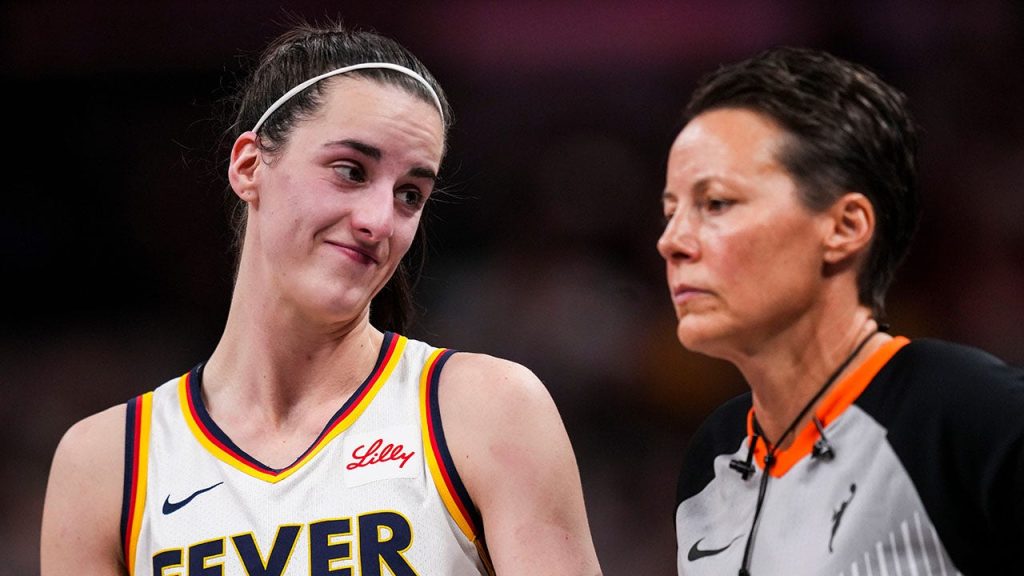
Caitlin Clark and the Indiana Fever got a late correction to the box score after Friday night’s wild game with the Washington Mystics, with two missing assists officially added by the league. The change — highlighted by the Fever on X — pushed Clark into new WNBA milestones and reopened questions about stat-keeping, marketing choices, and how mistakes affect fans and bettors from Indianapolis to Seattle.
After the game, I and plenty of others called on the WNBA to fix the record and award Clark the assists that were clearly hers. Two plays stood out: a wrap-around pass on the baseline to Monique Billings for a corner three, and a shovel to Kelsey Mitchell for another three that helped fuel the Fever’s comeback into overtime. Those were direct passes that led to immediate scores, and they mattered in the story of the game.
The Fever confirmed the correction on their X account, noting the impact on Clark’s place in the record books. “Caitlin Clark is officially the first player in WNBA history to record multiple games of 30+ points and 10+ assists,” the team wrote, celebrating the stat change. That kind of milestone matters to players, teams, and the league narrative, so getting it right is important beyond box score trivia.
With the updates in place, Clark also climbed into another all-time category by setting a new mark “for most career games (11) with 20+ points & 10+ assists,” the Fever posted on X before their next matchup. Those are big headlines and they shape how fans, broadcasters, and sponsors perceive a player’s trajectory. When the official numbers shift, careers and histories can be seen in a different light.
There’s also a practical side to this beyond accolades: sports bettors rely on official stats when settles happen and when futures are priced. I pointed out after the game that the omissions could have real money consequences, and as of now I haven’t seen sportsbooks publicly acknowledge or fix affected wagers. Fans who put down bets deserve transparency when league stat corrections influence outcomes.
This episode wasn’t an isolated slip. Earlier in the season the WNBA published a stat update that undercounted Clark’s single-season assists by a large margin, and that error drew its own round of pushback. Repeated mistakes make people wonder whether stat crews are doing enough review, and they invite criticism not just of the scorekeepers but of league processes and priorities.
The shaky stat work came at the same time the league made a marketing call that raised eyebrows. A promotional graphic for the Fever vs. Storm game featured Raven Johnson on the bench instead of prominently displaying the Fever’s biggest names. There was no face-of-the-league Caitlin Clark, no Kelsey Mitchell, no Aliyah Boston, and no Sophie Cunningham in that particular image, even while other matchups highlighted stars like A’ja Wilson and Angel Reese.
That decision felt tone-deaf to a lot of fans because Clark is the most talked-about WNBA player right now and Kelsey Mitchell is among the league’s top scorers. Whether the graphic was an honest oversight or deliberate, it fed a narrative that the league’s presentation of its stars can sometimes miss the mark. Fans notice when promotion and stats both seem sloppy, and it erodes confidence.
None of this lets the person responsible for the missed assists off the hook. Those two plays were not borderline calls; they were clean, intended passes that resulted in immediate baskets without extra dribbles. That’s the basic definition of an assist in basketball, so the failure to credit them initially deserves scrutiny and, if warranted, consequences for the stat-keeping process.
Caitlin Clark, currently fourth in scoring and second in assists, will captain the Fever into a game against the Seattle Storm on Sunday at 6 p.m. ET, where those corrected milestones will be part of the storyline. The league has a chance to show it can fix mistakes, protect the integrity of records, and ensure fans, players, and bettors get accurate information going forward.