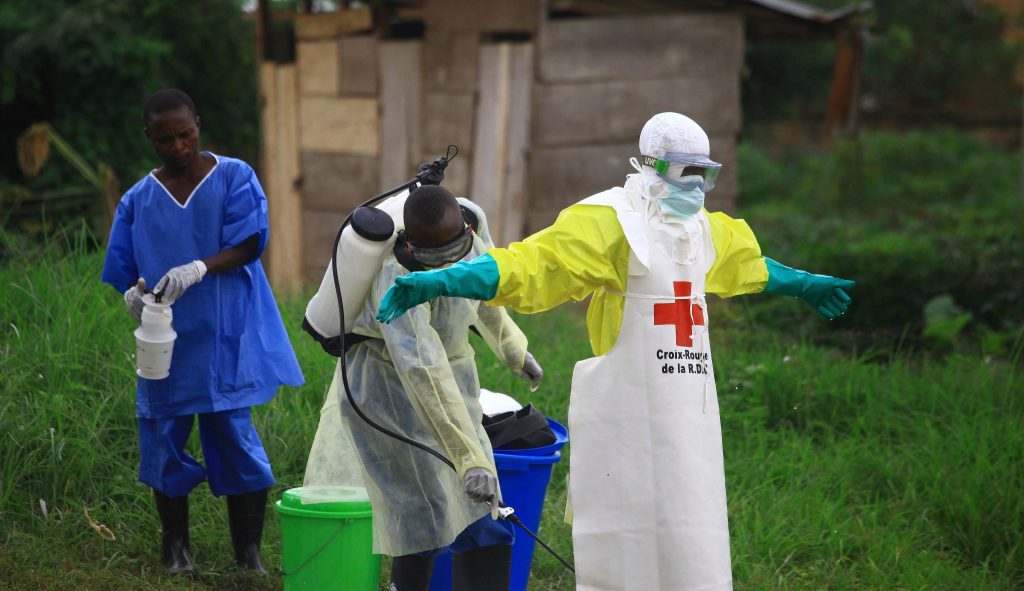
The World Health Organization declared the Ebola outbreak in eastern Congo and nearby Uganda a public health emergency of international concern, focusing attention on Ituri province, Mongwalu, Bunia and the surrounding border areas. Africa CDC and health leaders including Dr. Jean Kaseya have moved quickly to coordinate with Congo, Uganda and South Sudan, while local experts like Dr. Gabriel Nsakala warn the Bundibugyo virus complicates response efforts. The outbreak, tracked to a high-traffic mining zone and linked to intense population movement and insecurity, has already produced hundreds of suspected cases and dozens of deaths.
Health authorities reported roughly 336 suspected cases and 88 deaths, with nearly all infections inside Congo and two cases recorded in Uganda. Officials identified the initial cluster in the Mongwalu health zone, a busy mining area where people travel frequently for work and health care. That movement appears to have sent cases into neighboring Rwampara and Bunia health zones, creating chains of transmission that are hard to break in a region with stretched services.
The variant driving this outbreak is the Bundibugyo virus, a less common form of Ebola for which there are no approved vaccines or targeted treatments. That absence forces clinicians to focus on supportive care—managing fluids, treating secondary infections and easing symptoms—while public health teams race to contain spread. Because Bundibugyo is rare, past playbooks from Zaire or Sudan strains do not translate perfectly into ready-made solutions for this situation.
Previous Ebola activity across central Africa has been frequent: more than 20 outbreaks have hit Congo and Uganda over the decades, and Congo alone has recorded 17 outbreaks since the virus first emerged regionally in 1976. Still, this is only the third time Bundibugyo has been documented, after notable clusters in Uganda in 2007–2008 and in Isiro, Congo, in 2012. Those earlier outbreaks help guide clinical and community measures, but they offer limited direct evidence for vaccines or therapies specific to Bundibugyo.
The WHO’s emergency declaration is not the same as labeling the event a pandemic and the agency has advised against blanket border closures as a control measure. The designation is intended to stimulate funding and international cooperation, though past declarations have produced uneven results. Experts pointed to a 2024 global emergency for mpox that did not immediately translate into fast, widespread delivery of tests, medicines and vaccines to affected countries.
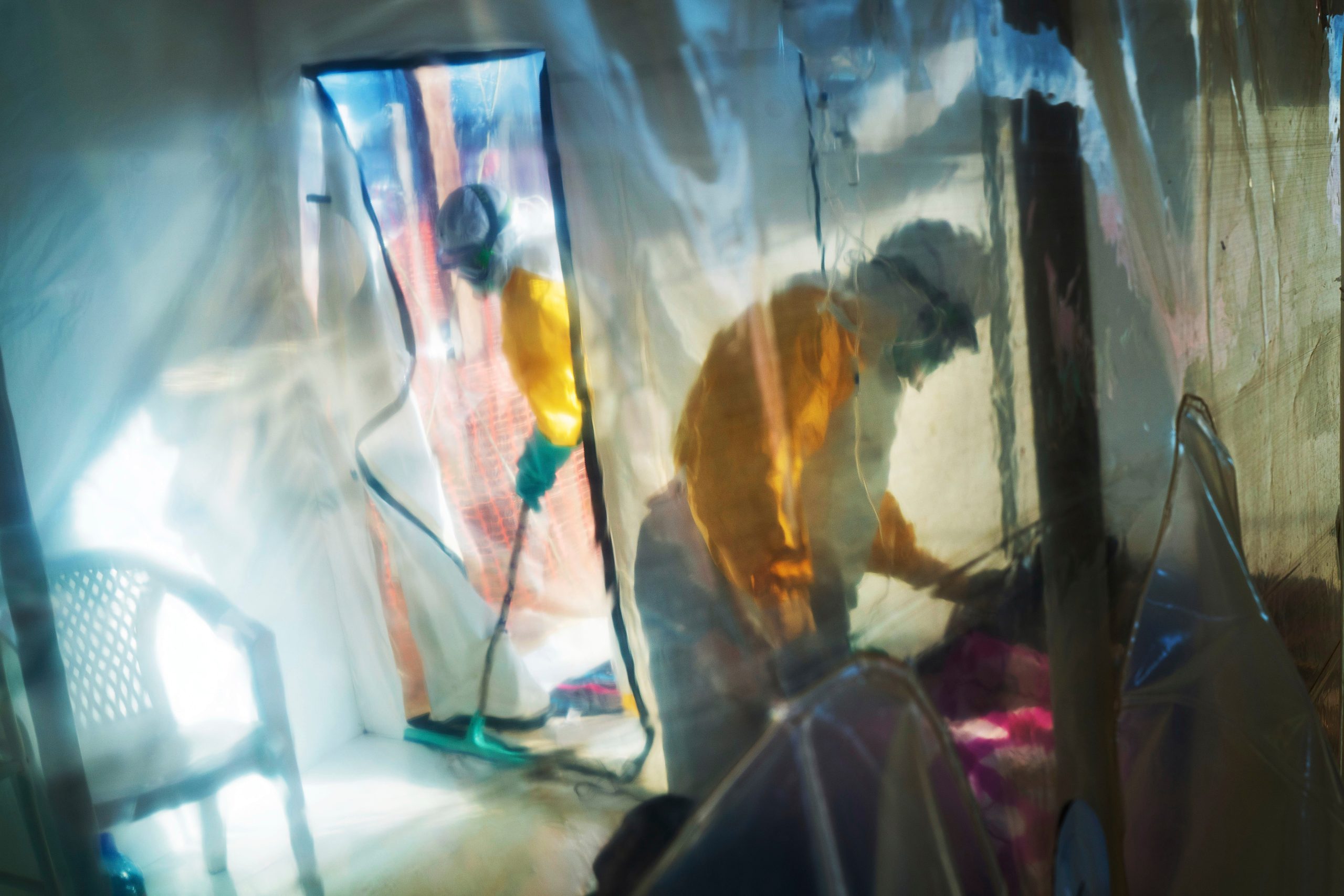
The outbreak’s geography is a major obstacle. Ituri province sits in remote eastern Congo with poor roads and long distances to national logistics hubs—more than 1,000 kilometers from Kinshasa. Bunia, the provincial capital, is close to the Ugandan border and movement across that frontier raises the chance of cross-border spread into Uganda and South Sudan. Armed group violence and displacement in parts of Ituri further complicate contact tracing and access to care for affected communities.
Africa CDC said the first cases were reported in Mongwalu, and that subsequent travel to clinics in Rwampara and Bunia helped transmission, “enabling spread across three health zones.” Local authorities acknowledge gaps in contact tracing as teams try to find people who may have been exposed. Those gaps matter because Ebola transmits through direct contact with bodily fluids and contaminated items, so timely identification and monitoring of contacts is critical to stopping chains of infection.
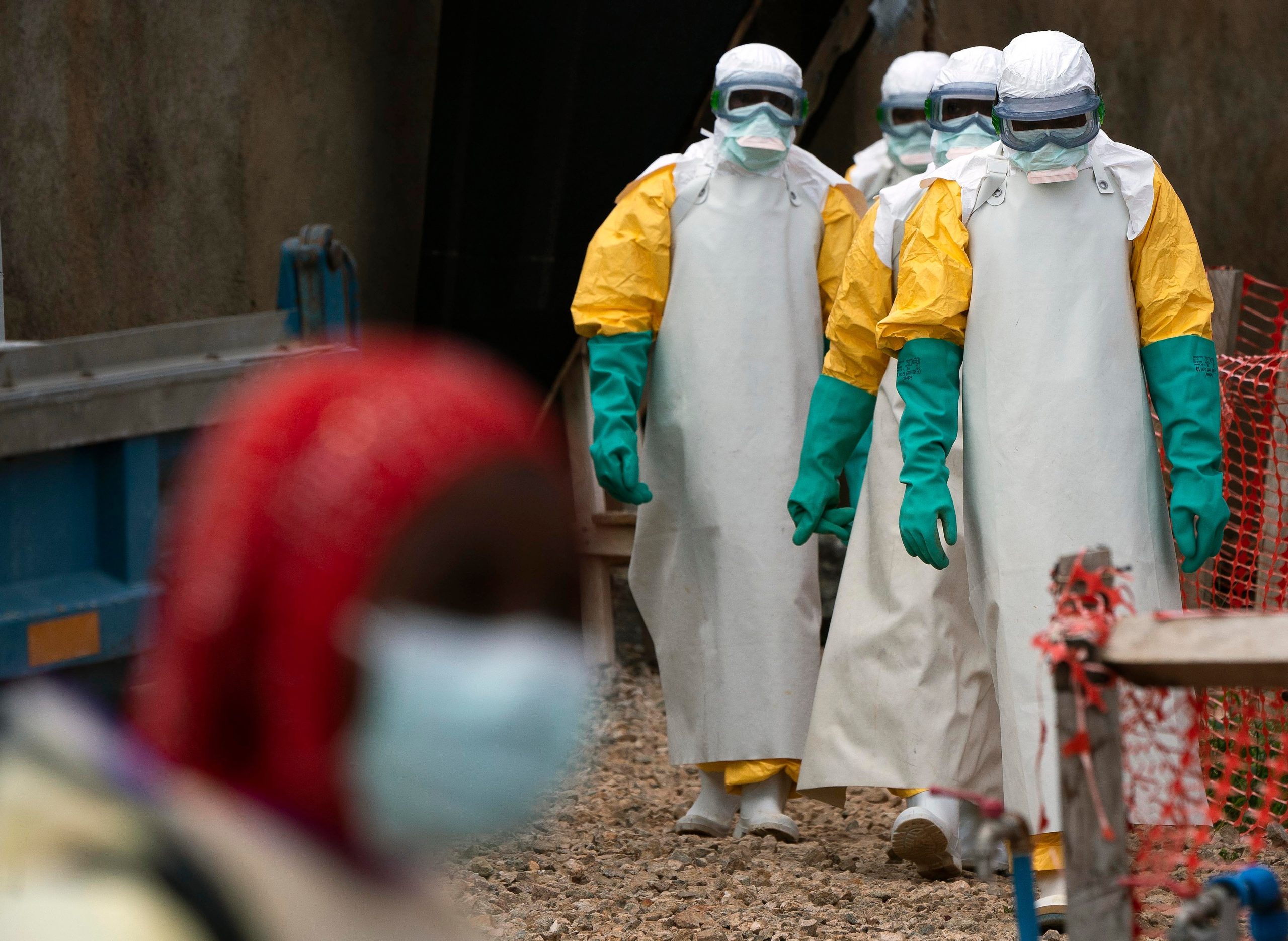
Historically, Bundibugyo first surfaced in Uganda’s Bundibugyo district in 2007–2008, when 149 cases produced 37 deaths, and it reappeared in Isiro, Congo, in 2012 with 57 cases and 29 deaths. The World Health Organization notes that three virus species tend to drive large Ebola outbreaks: Ebola virus, Sudan virus and Bundibugyo virus. That taxonomy matters because vaccines and countermeasures developed for one species may not protect against another.
Public health leaders have convened urgent coordination meetings that include Congo, Uganda, South Sudan and partner agencies to align surveillance, border screening and burial practices. Dr. Jean Kaseya of Africa CDC announced rapid deployments of multidisciplinary teams, enhanced surveillance at official and unofficial crossings, isolation of high-risk contacts and efforts to mobilize resources. Those moves aim to blunt spread while partners attempt to raise money for a response that could become resource-intensive quickly.
Logistics and funding remain fragile. The WHO has released $500,000 to support immediate needs and Africa CDC reports $2 million mobilized—helpful but far below what will be required if transmission accelerates. Past delivery delays for vaccines and diagnostics, long distances between supply points and affected communities, and limited funding have all hampered past responses. U.S. support has played a role in prior outbreaks, including assistance from the U.S. Agency for International Development that reached up to $11.5 million in 2021.
Ebola spreads from animals to people and then between people through direct contact with infected bodily fluids or contaminated materials like bedding and clothing. Symptoms range from fever, vomiting and diarrhea to muscle pain and, in some cases, internal and external bleeding. Public health teams emphasize rapid detection, safe care, protective practices for health workers and culturally sensitive approaches to burials to reduce transmission risks.
Response teams remain on the ground in Ituri and across border areas, working to contain clusters and support communities at heightened risk. Associated Press writer Saleh Mwanamilongo in Bonn, Germany, contributed to this report.