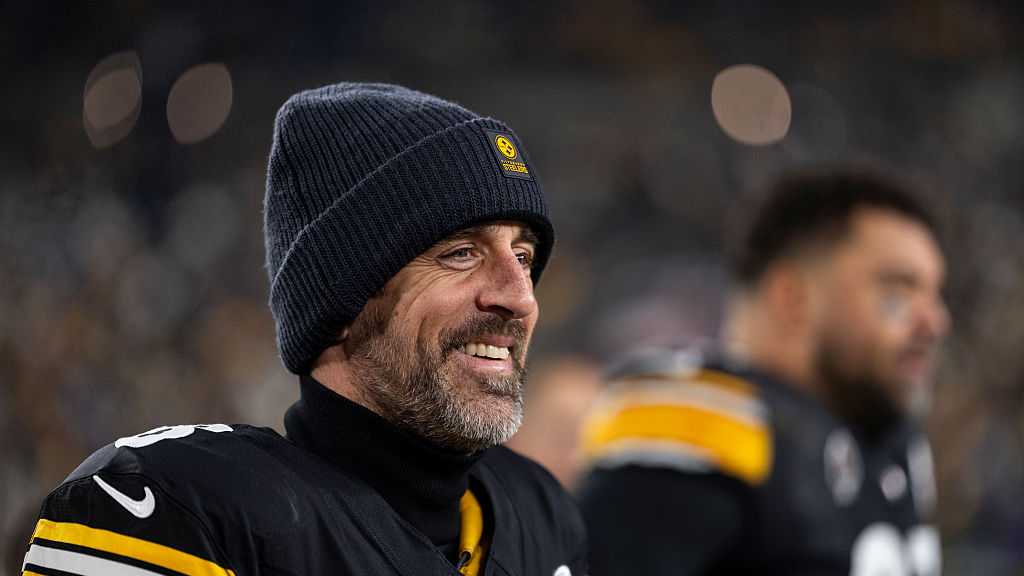
This article covers a reported roster move in Pittsburgh: a 42-year-old quarterback reportedly reached a one-year deal with the Pittsburgh Steelers for his 22nd season in the NFL, according to ESPN’s Adam Schefter, and examines what that move could mean for the team, the locker room, and the broader questions about longevity at the position.
The news that a 42-year-old quarterback has reportedly agreed to a one-year deal with the Pittsburgh Steelers for his 22nd NFL season, according to ESPN’s Adam Schefter, landed like a surprise play call in the middle of camp. Pittsburgh is a city that eats football, and the Steelers are a franchise built on toughness and proven leadership, so adding a veteran signal-caller immediately shifts expectations. Fans and analysts will parse every angle: readiness, fit, and the ripple effects on the roster. The mere possibility of such a signing invites debate about continuity versus change for a team that prizes a strong identity.
At 42, a quarterback carries a different value than a younger player with flash and upside; experience becomes currency, and situational instincts often outstrip raw athleticism. That kind of veteran presence can lift a room, give coaches a steadying hand during late-game chaos, and speed the development of younger players simply through example. Still, age brings questions about durability and mobility, and a one-year pact naturally sets a short window for impact. For the Steelers, the calculation is whether leadership and savvy outweigh any physical decline that might show up over a full season.
From a schematic perspective, Pittsburgh’s offense will likely be adapting play calls to suit whoever is under center, and that is true whether the veteran starts or mentors behind the scenes. Coordinators typically simplify progressions for quarterbacks who lack zip or who need fewer reads to succeed, and that can change personnel decisions across offense. Running backs and tight ends often see larger roles when a quarterback emphasizes quick options, which could reshape the Steelers’ attack if this veteran is asked to manage games rather than torch secondaries. Coaches will balance immediate competitiveness with preserving the quarterback’s health over the year.
There are also off-field impacts to consider: a 22nd season carries cachet that can drive ticket chatter, media attention, and locker room dynamics in ways that extend beyond the stat sheet. Younger players get a living textbook on preparation, preparation for travel, and how to handle the unavoidable grind of a long season. The one-year timeline sharpens focus—this is not a multi-year rebuilding bet, but a short, high-stakes experiment. For management, it’s a low-commitment way to test fit while keeping options open for the future.
Of course, the financial and roster mechanics behind a one-year deal matter, even if the public won’t see the full contract details right away; structures like incentives, roster bonuses, and injury protections change how a signing plays out across the season. The Steelers will want flexibility if the veteran falters or if an up-and-comer demands playing time after showing sparks in practice. A single season also leaves the door open for a midyear pivot, whether that’s a trade, a practice-squad shuffle, or a shift toward younger talent once real games begin to expose strengths and weaknesses.
Ultimately, Pittsburgh’s approach to this reported addition will signal how the franchise balances respect for experience with the hunger to build for tomorrow, and fans should expect spirited debate at every turn. Adam Schefter’s report puts a spotlight on an unusual roster move that raises classic NFL questions about leadership, longevity, and the trade-offs between reliability and youthful upside. In the meantime, the city will watch, the coaches will plan, and the veteran’s ability to turn one year into a meaningful chapter will be the measure everyone waits to see.