In Sarasota, Florida a rare marabou stork that had been turning heads for weeks was finally captured, treated and placed into permanent care at the Sarasota Wildlife Sanctuary. Karen Mitchell and her team played a leading role in the rescue, working with veterinarian Dr. Luis Ramirez and volunteers to stabilize the bird and find it a safe long-term home. Locals followed the story from the first sighting to the final handoff, and the sanctuary now oversees the stork’s recovery and future.
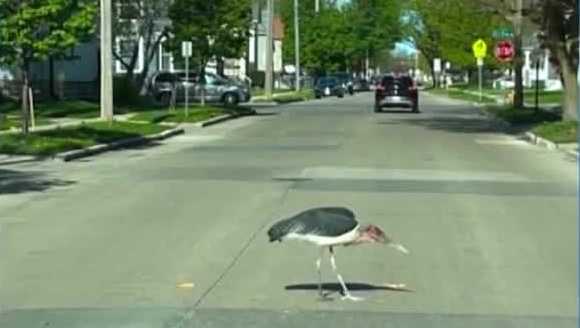
The story began with repeated sightings of a tall, unusual bird wandering near the shorelines and neighborhood canals. People in south Sarasota called local wildlife groups and posted photos, puzzled by the stork’s lanky silhouette and massive bill. The pattern of sightings made it clear this was no quick wanderer; rescuers treated the reports seriously, knowing a nonnative species can face serious risks outdoors.
Karen Mitchell, director of the Sarasota Wildlife Sanctuary, says the team started coordinating after multiple calls came in over a week. “We knew it needed help,” she said, explaining how volunteers tracked movements and noted the bird’s behaviors. The sanctuary mapped the sightings, which narrowed the search to a stretch of parks and marshes where the stork had been seen feeding and roosting.
On the morning of the rescue, volunteers and animal control officers converged on the last known area with nets and transport crates ready. It took patience and careful planning to avoid stressing the bird, which stood more than a meter tall and could injure itself if cornered. Dr. Luis Ramirez handled the initial exam, checking for injuries, parasites and signs of malnutrition the moment the stork was secured.
Veterinary staff found the bird dehydrated and underweight but otherwise stable, with no obvious broken bones or traumatic wounds. They ran bloodwork and screened for common avian pathogens as a precaution before moving the stork into quarantine. Tests came back clear enough to proceed with a measured rehabilitation plan, focusing on nutrition and rebuilding muscle lost during the weeks on its own.
The species itself is notable: marabou storks are native to sub-Saharan Africa and are rarely seen in North America except as escapees from private collections or zoos. That unfamiliarity made the rescue more complicated, especially when volunteers had to balance public curiosity with the bird’s need for calm. The sanctuary emphasized that the bird was not released back into the wild because of its nonnative status and the potential ecological and health risks.
Community response was immediate and often emotional, with neighbors dropping off bottled water and volunteers setting up shifts for daytime observations. Children came by the sanctuary to sketch the long-legged bird and veterans of wildlife rehab offered advice on diets and enrichment. That kind of grassroots support mattered: it kept the rescue effort moving and helped secure a long-term plan for the stork’s care.
Officials say the bird has been nicknamed “Hector” by staff, though it will receive a formal identification tag and medical record under the sanctuary’s care. Hector responds well to targeted feeding and low-stress enrichment, moving around his enclosure with increasing coordination each day. Staffers take daily notes on behavior, appetite and weight to guide the next steps of the rehabilitation process.
Ethical questions come up whenever a nonnative animal is found: do you return it to the wild, keep it in captivity, or try to reroute it to a controlled facility that can manage exotic species? In this case, the team decided the safest and most responsible option was permanent sanctuary placement, where veterinarians and trained keepers can monitor long-term health and prevent any potential spread of disease.
The rescue also sparked a broader conversation about exotic pet ownership and the responsibilities that come with it. While authorities have not confirmed the bird’s origin, the pattern of isolated, wandering marabou sightings often points to escape or release. Sarasota wildlife officials remind residents that owning exotic birds requires permits and specialized care, and that releasing them into the wild can harm local ecosystems.
For now, Hector is adjusting to a quieter life behind the sanctuary’s fences, where keepers have built him a spacious enclosure with shallow wading pools and elevated roosts. Volunteers will continue to help with enrichment and public education, using the story to teach people about species protection and responsible ownership. The Sanctuary plans to post updates on Hector’s progress so locals can follow along without disturbing the bird.
This rescue turned a curious local mystery into a hands-on example of community, science and compassion coming together. Names like Karen Mitchell and Dr. Luis Ramirez will be tied to the operation, but the broader lesson is how fast a neighborhood can rally when an unusual animal appears in need. Sarasota’s sanctuary now cares for a rare visitor that has become, for the time being, part of the local story.