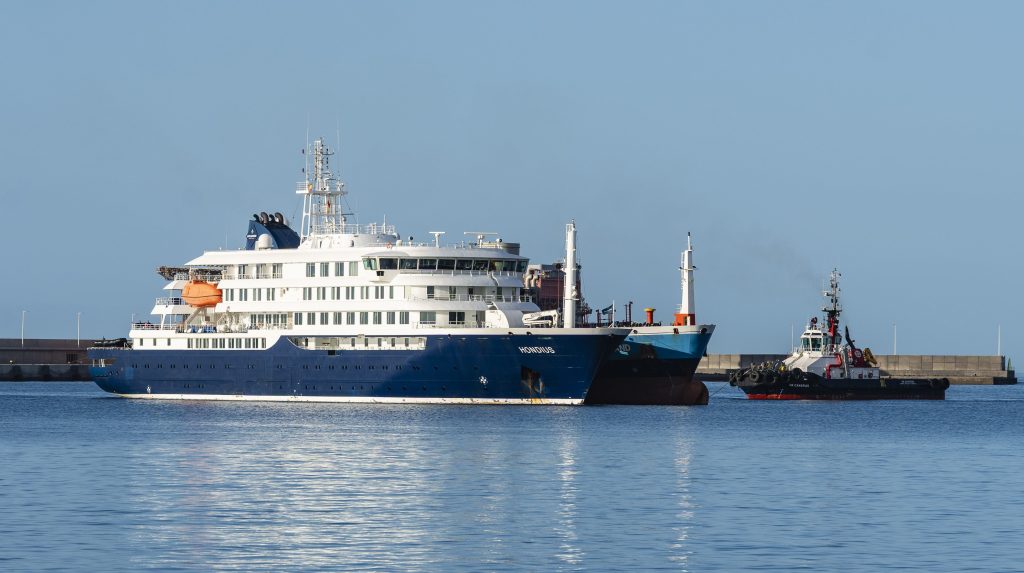
The Public Health Agency of Canada has confirmed a passenger from the MV Hondius tested positive for the Andes hantavirus, and that person and their spouse were hospitalized in Canada; samples are en route to the National Microbiology Laboratory in Winnipeg for confirmation. Canadian officials have isolated multiple people tied to the cruise, while health authorities in Washington state are investigating potential exposures tied to flights and the ship. The Chelan-Douglas Health District has also reported a separate Sin Nombre hantavirus case in Washington, and state public health teams are monitoring contacts across King County and eastern Washington. This piece follows the response steps taken by Canadian and U.S. health agencies and the ongoing monitoring of potentially exposed people.
A Canadian passenger on the MV Hondius tested positive for the Andes hantavirus, Public Health Agency of Canada officials said, and that individual and their spouse were taken to hospital on Thursday and are being kept in isolation. A third person who had been isolating in secure lodging was also brought in for assessment and testing as a precaution, though officials have not spelled out that person’s exact connection to the couple. Health workers are treating the situation carefully because Andes hantavirus can cause severe illness, and they have moved quickly to limit any further spread.
Samples from the hospitalized passenger were sent to the National Microbiology Laboratory in Winnipeg for confirmatory testing, with results expected within a couple of days, the agency said. Public health teams said they are following established prevention and control protocols while the laboratory work finishes. That hands-on approach includes isolating people who might have been exposed and monitoring them closely for symptoms that could indicate progression to hantavirus cardiopulmonary syndrome.
“The overall risk to the general population in Canada from the Andes hantavirus outbreak linked to the MV Hondius cruise ship remains low at this time,” the agency said in a statement. “But, given the severity of this virus, we are taking a precautionary approach to ensure Canadians are protected.” Those exact words underline both reassurance and caution: officials are not panicking, but they are treating a confirmed case and potential exposures seriously.
Canadian officials have previously said they are tracking 36 people, including four cruise ship passengers, who are currently in isolation while being monitored for symptoms. At the same time, the situation has drawn attention in the United States because some potentially exposed people traveled on international flights connected to a Hondius passenger. Public health teams in both countries are coordinating contact tracing and risk assessment to stop any onward spread before it gains a foothold.

No known cases of hantavirus in U.S. as officials monitor 41 with possible exposure

Where should hantavirus cruise ship passengers quarantine? Experts are divided
As of Friday, there were no confirmed cases of Andes hantavirus in the United States, but Washington state health officials said they were watching six possible cases. Five of those people were linked to an international flight that included a Hondius passenger who later tested positive, while the sixth person had direct exposure on the Hondius itself. All six are being monitored for signs of illness, and public health staff are doing the work of tracing contacts and checking travel logs to map any chains of exposure.
Four of the potentially exposed people under observation live in King County, while two are in eastern Washington, the Washington State Department of Health reported, and local health departments have been notified. In a separate, unrelated development, the Chelan-Douglas Health District confirmed that another Washington resident tested positive for the Sin Nombre hantavirus. That particular virus is the most common cause of hantavirus cardiopulmonary syndrome in North America and has long been tied to exposures involving deer mice.
The Sin Nombre hantavirus infects people through contact with deer mice saliva, urine or droppings, the Centers for Disease Control and Prevention notes, and it is not new to the United States. State officials have emphasized that the general public’s risk remains very low, but their surveillance and contact tracing efforts are active so that any potential cases are caught early. For now, health departments in Canada and Washington are sticking to isolation, testing, and close monitoring to keep communities safe while lab results and contact investigations continue.