Bulgaria’s Dara shocked the Eurovision stage in Vienna with a surprise victory, while the contest’s 70th anniversary celebration and a swirl of protests over Israel’s participation made headlines; Noam Bettan of Israel finished second amid boos and flag-waving, and Eurovision executive Martin Green defended the event’s mission and voting safeguards.
The final in Vienna felt like a livewire party and a political flashpoint at once. Dara’s “Bangaranga” — an all-out dance-pop explosion — grabbed the crowd with relentless energy and an earworm chorus. The Wiener Stadthalle erupted for her performance, and Bulgaria claimed its first-ever Eurovision crown in a result that stunned many fans and bookmakers.
Organizers marked 70 years of the contest with a medley of classic Eurovision moments, threading the event’s history through tonight’s show. Martin Green, the contest’s executive, reminded viewers of the contest’s original purpose, saying the event began as “attempting to bring Europe closer together, particularly following the Second World War.”
Green added, “That sort of DNA stayed with it in a couple of ways,” and urged that “It’s still a show that tries to bring the world together.” Those words sat uneasily beside the protests and withdrawals that shadowed this edition, showing how cultural celebration and political friction can collide in the same arena.
Five broadcasters — Ireland, Slovenia, Spain, the Netherlands and Iceland — pulled out this year in protest over Israel’s continued role in the contest, citing the war in Gaza and alleged efforts to mobilize votes on behalf of Israel. Eurovision bosses said they would closely monitor voting after concerns about outside influence surfaced, and the Israeli broadcaster KAN received a formal warning over videos urging people to “vote 10 times” for Israel.
Pro-Palestinian demonstrations appeared in Vienna during the week, and some long-time fans vowed to boycott future contests after watching this year’s disputes unfold. The atmosphere inside the arena turned tense when the popular vote was announced for Israel and the audience booed, a reaction that echoed through broadcasts and social feeds.
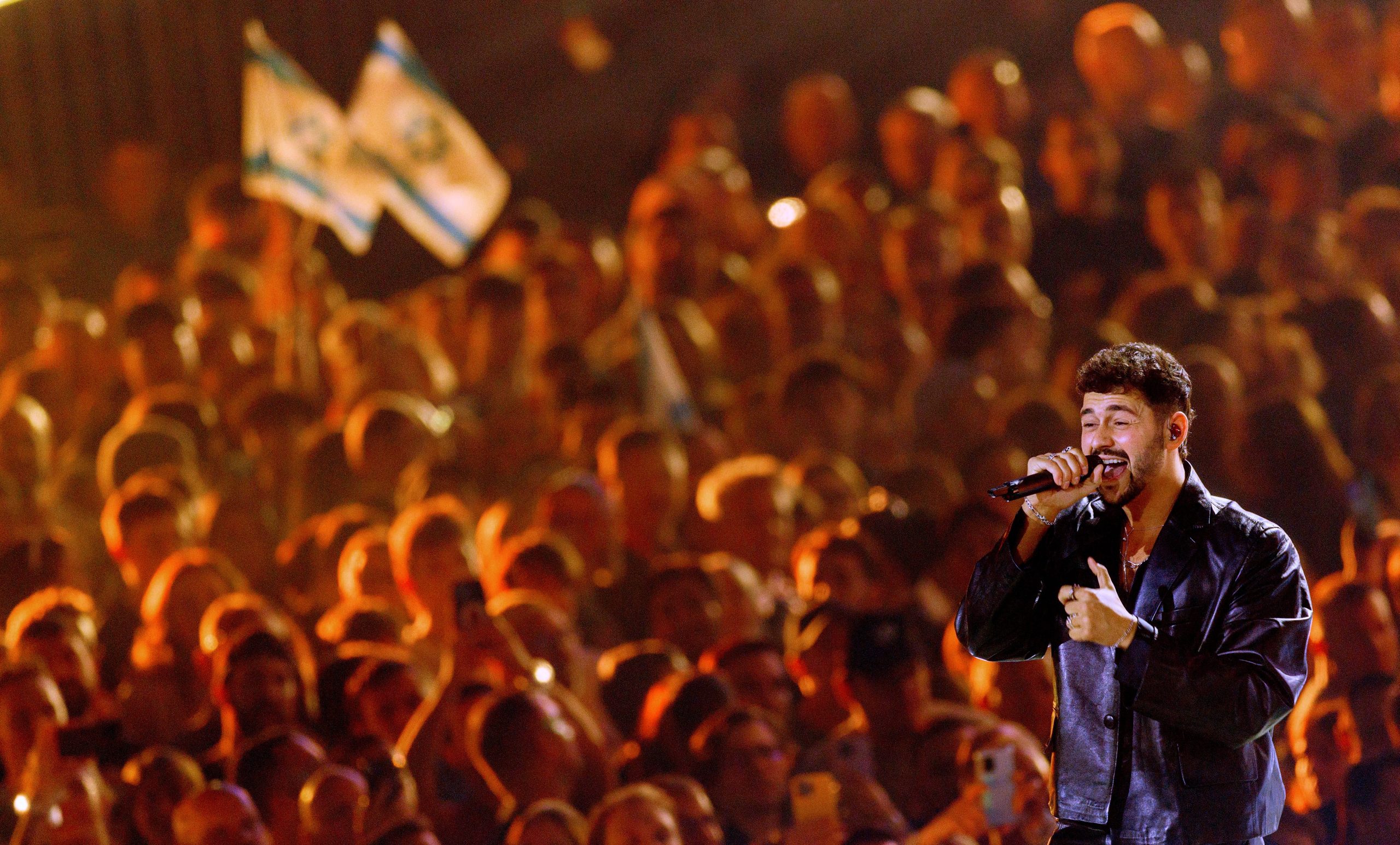
Noam Bettan’s “Michelle” finished second and became one of the evening’s most talked-about performances. Sung in Hebrew, French and English, the song explores escaping a toxic relationship and putting yourself first, a personal theme that Bettan hoped would cut through the politics. During his semifinals performance, some in the crowd turned their backs and protesters chanted “stop the genocide,” while a few Palestinian flags were visible in the stands.
Bettan said he knew about the commotion on stage but tried to focus on the positives, noting he looked “for the Israeli flags in the crowd, and I saw a lot of people cheering and I heard a lot of positive noise.” Born to a French Jewish family, he has emphasized that he came to Eurovision to present music and a “good, positive message to the world,” steering clear of the surrounding political fights.
The show itself delivered a wide spread of styles: Denmark’s Søren Torpegaard Lund opened with a piece steeped in queer club culture, while Greece’s Akylas leaned into playful TikTok-ready moves and costume theatrics. Moldova’s entry served pure camp energy, and Australia’s Delta Goodrem floated through a dancy power ballad that let her vocal chops shine atop a glittering stage prop.
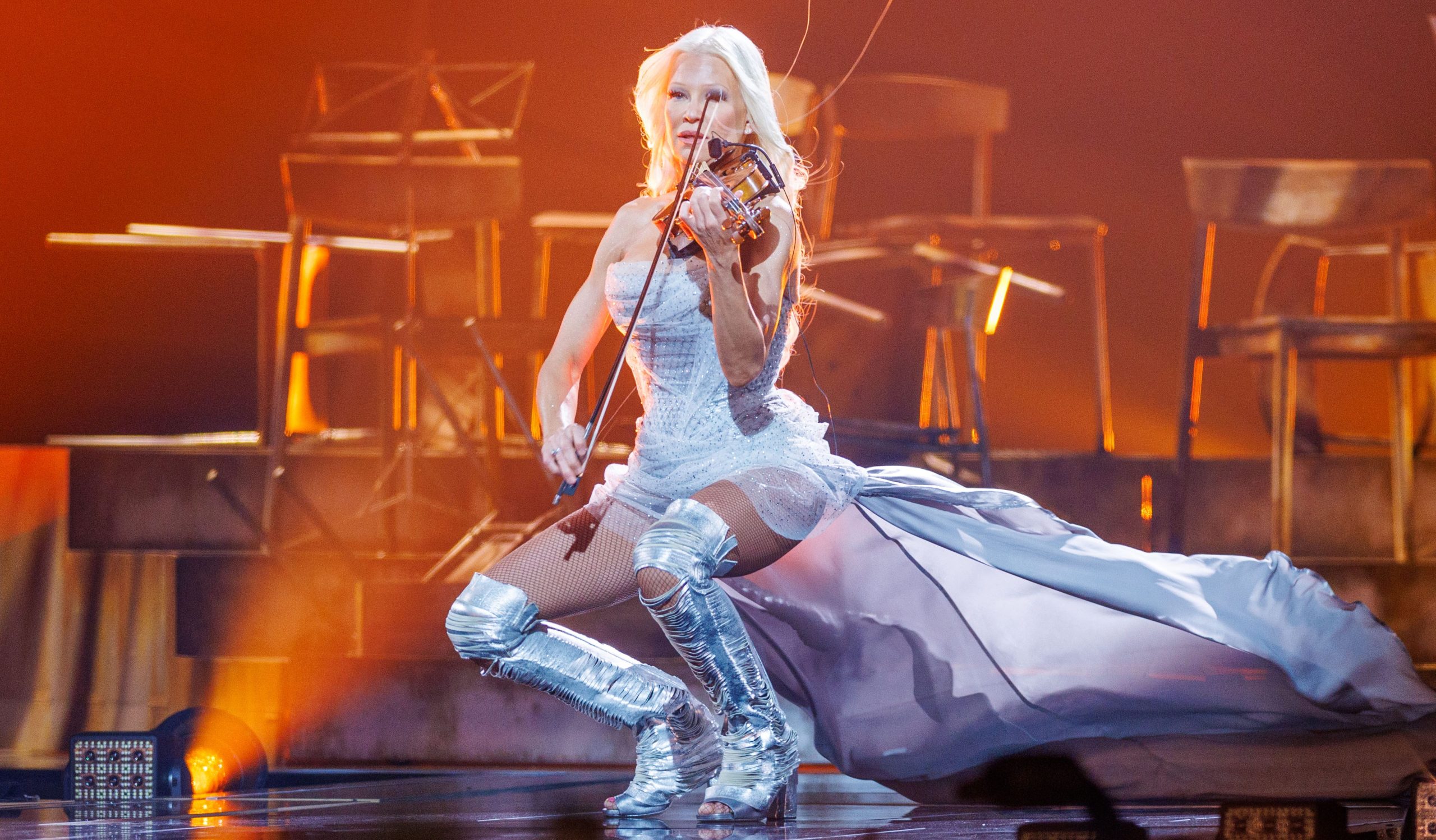
Finland was among the favorites with “Liekinheitin,” a high-risk performance mixing violin, vocals and open flames, and Sweden’s Felicia leaned into retro EDM for “My System.” In a Zoom interview Felicia said the track “It feels so nostalgic,” and she wanted the staging to feel like a celebration, “just party onstage together with my dancers.”
Host country Austria closed the night with Cosmó’s “Tanzschein,” a club-tinged tribute to dancing and nightlife, leaving the audience on a high note despite the friction that followed the voting. Eurovision officials say they respect countries that chose to sit this year out, but they hope those broadcasters will return and argue that safeguarding the contest’s voting integrity is a top priority.
For now, Bulgaria’s historic win stands alongside unresolved tensions about Israel’s role, and questions linger over whether the five boycotting broadcasters will rejoin in 2027. The contest’s mix of wild spectacle and political debate makes clear that Eurovision remains more than a song competition — it’s a mirror of a continent in flux, full of music, clashes and unpredictable outcomes.