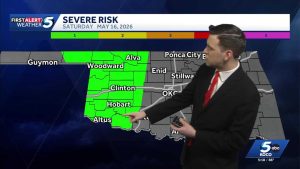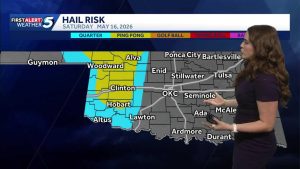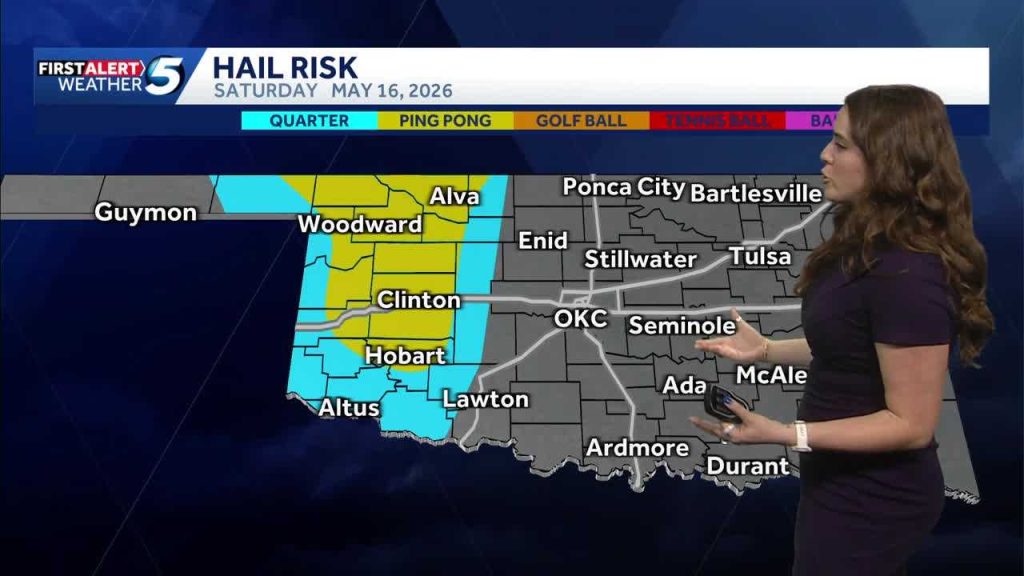
This brief preview lays out what to expect from the heat and gusty winds moving through large swaths of the country today, with an eye on the mounting storm risk by Monday. I cover where temperatures will be highest, which areas should brace for damaging gusts, how the atmosphere is priming for scattered severe storms, and practical steps people can take to stay safe as conditions evolve from hot and windy to potentially stormy.
Hot and Windy Today, Storm Risk Increasing by Monday is not just a headline — it’s the weather story for a broad stretch of the nation from the Plains into parts of the Midwest and East. High pressure has been building and funneling warm air northward, and that pattern is also cranking up the gradient that creates strong winds at the surface. Temperatures are pushing well above seasonal normals in many spots, so the combination of heat and wind is already making outdoor activity tougher and raising wildfire concerns in drier locales.
Winds will be particularly notable across open country and elevated terrain, where sustained breezes can gust even higher. Drivers of high-profile vehicles should be alert to sudden crosswinds on rural highways and bridges, and outdoor crews need to secure loose equipment. Those same winds can dry out vegetation quickly, meaning any stray spark can find tinder; if you live in brush-prone areas, keep caution in mind and follow local fire restrictions.
Humidity varies regionally, which changes both how the heat feels and how storms might behave. In some southern and coastal zones, muggy air will make it feel oppressive, increasing heat-stress risk for anyone working or exercising outside. Further north, drier air makes the heat more tolerable but exacerbates the wildfire threat and allows winds to mix more efficiently from aloft down to the surface. That mixing is a key ingredient for turning a hot, windy day into an environment ripe for storm development.
The reason the storm risk is expected to climb by Monday is that a dynamic system will approach from the west, tapping the heat and moisture already in place. When that upper-level disturbance arrives, it will act like a match to the kindling on the ground: instability and wind shear could come together to produce scattered severe storms. Forecasters are watching for isolated but intense cells capable of producing damaging winds, hail, and brief heavy rainfall that could cause localized flooding in urban areas with poor drainage.
Timing is always the tricky part with these transitions, and small shifts in the track of the incoming system could shift the areas at highest risk. Meteorologists will refine watches and warnings as observations come in and as models run through their latest data. Stay tuned to official channels for updates because what looks like a moderate threat today can focus into a more concentrated threat zone by tomorrow.
For people planning events or outdoor work over the next several days, it pays to have a backup plan. Move loose items indoors, consider rescheduling nonessential outdoor gatherings for later in the week, and make sure generators and other backup equipment are ready if power outages occur. If you or someone you care for is vulnerable to heat stress, check on them frequently and keep hydration and shade available during the peak afternoon hours.
Travelers should also factor the weather into plans. Gusty winds can slow high-profile vehicles and make towing or RVing more hazardous, while sudden storms can put a quick halt to visibility and road conditions. If you encounter heavy downpours or wind-driven debris while driving, slow down, increase following distances, and pull over safely until conditions improve.
Communities and local officials will be watching utility infrastructure, since strong winds combined with dry conditions raise the risk of power-line incidents. Emergency crews may be staged in vulnerable areas, and residents should expect rapid responses to any reports of downed lines or storm damage. Keep a battery-powered radio or charged phone handy to receive public alerts and instructions if warnings are issued.
In short, treat today as a warning to prepare: the heat and wind are the opening act, and Monday may bring the main event for scattered, potentially severe storms. Monitor local forecasts, secure your property, and have a plan to move to safety if weather warnings are issued. With a little preparation, most people can ride out the transition from hot and gusty to stormy without serious trouble.