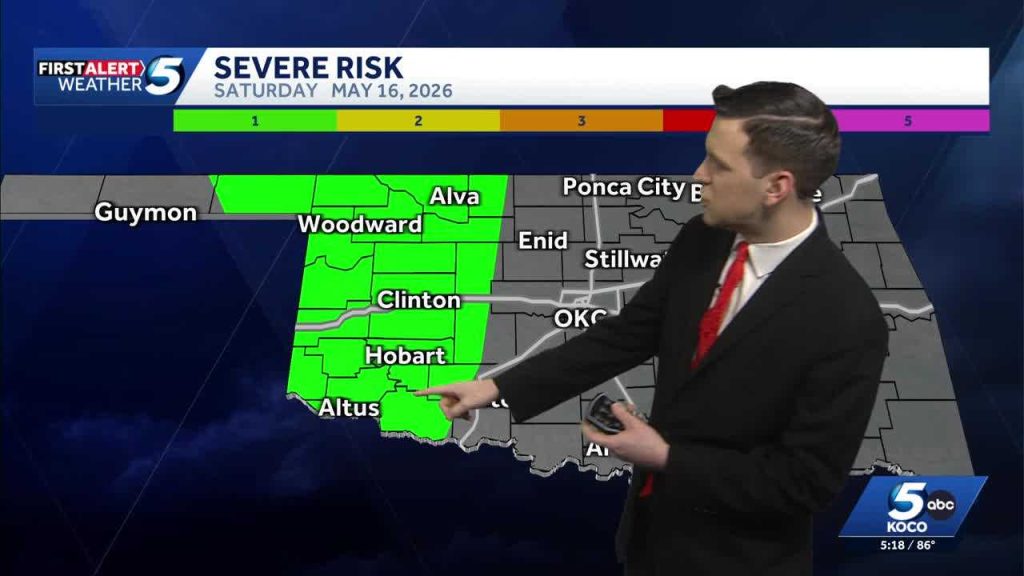
Oklahoma is under an alert for Saturday as severe thunderstorms capable of producing hail may impact parts of the state, according to area weather services. The risk will be uneven, with some communities facing stronger storms while others see just heavy rain and gusty winds. This article walks through the timing, likely hazards, practical precautions, and where to watch for updates across Oklahoma.
Saturday is shaping up to be a day to keep an eye on the sky across Oklahoma, not a guaranteed statewide outbreak but a credible threat in portions of the state. Storms that develop could intensify quickly, producing hail and damaging winds in a short window. That means even brief clear skies can flip into dangerous conditions, so monitor forecasts throughout the day.
Timing for the elevated threat centers on the afternoon into the evening hours when daytime heating and an approaching weather system will maximize instability. Morning conditions may be calmer, but the atmosphere will prime through midday, so expect the highest risk from midafternoon onward. Folks with outdoor plans late afternoon or evening should have a backup plan and be ready to move indoors on short notice.
Not every corner of Oklahoma faces the same level of risk; meteorologists are highlighting specific swaths where severe storms are more likely to form. Western and central parts of the state often bear the brunt in setups like this, but shifting winds can steer cells in unexpected directions. Because conditions can change quickly, county-level watches and warnings will give the clearest picture as storms evolve.
The primary hazards from these storms are hail and damaging straight-line winds, with smaller chances for isolated tornadoes where wind shear lines up. Hail can range from pea-size to larger stones capable of denting vehicles and breaking windows. Wind gusts in severe storms can topple trees, scatter debris, and cause localized power outages, making quick shelter important.
Anyone who keeps an eye on the horizon or lives in mobile homes should take the threat seriously and identify a safe room in advance. Basements or interior rooms on the lowest floor away from windows offer the best protection during severe storms. If driving, avoid stopping under bridges or overpasses and seek substantial shelter if hail or damaging winds appear.
Outdoors workers and event organizers need to plan for interruptions and have a clear communication plan to get people to safety fast. Canceling or delaying outdoor activities is often the simplest way to avoid exposure when severe weather looms. Employers should allow flexibility so crews can secure tools and equipment and get to shelter without risking road safety.
Farmers and ranchers should pay attention to crop and livestock risks; hail can damage young plants and injure animals left exposed. Securing loose equipment and moving animals to sheltered areas when possible reduces losses. Photographing damage promptly and contacting insurance agents quickly helps speed any claims process after the event.
Travel could become tricky where storms set up, with reduced visibility in heavy rain and the potential for flying debris driven by strong gusts. Allow extra time for commutes and consider postponing nonessential trips during the afternoon and evening threat window. If you encounter hail while driving, pull over safely away from trees and power lines and wait for conditions to improve.
To stay informed, rely on the National Weather Service alerts, local TV and radio bulletins, and trusted weather apps that push warnings directly to your phone. NOAA Weather Radio remains a reliable tool when cell service is spotty or power blinks out. Local NWS offices will issue watches and warnings with county-specific guidance as storms develop, so refresh updates frequently.
Simple preparations make a big difference: secure patio furniture, protect vehicles if you can move them under cover, and keep a charged phone and flashlight handy in case of outages. An emergency kit with water, snacks, and basic first-aid supplies is useful for any short-term disruption. Share your plan with family or neighbors who might need extra help reaching shelter quickly.
Saturday’s setup calls for vigilance rather than panic; the key is readiness and attention to evolving forecasts across Oklahoma. Keep lines of communication open, be ready to change plans at a moment’s notice, and prioritize safe shelter when storms approach. Staying informed and prepared reduces the chance of surprise and keeps people safer when severe weather arrives.