This piece explains why many antique and replica guns fall outside the federal and most state legal definitions of “firearm,” how that distinction is made, and what collectors and owners should watch for when buying, selling, restoring, or transporting these items. It walks through federal criteria like age and ammunition type, the common examples such as muzzleloaders and 19th-century arms, and the practical consequences for transfers and restorations across the country. The goal is to give clear, usable context so owners can make safer choices and avoid surprising legal problems.
At the federal level, the definition of “firearm” hinges on how a weapon operates and what ammunition it uses. Weapons made in or before 1898, plus certain replicas that use only pre-1899-style ammunition, are typically treated differently under 18 U.S.C. 921(a)(3). That carve-out is aimed at antique collectibles, not modern weapons dressed up to look old.
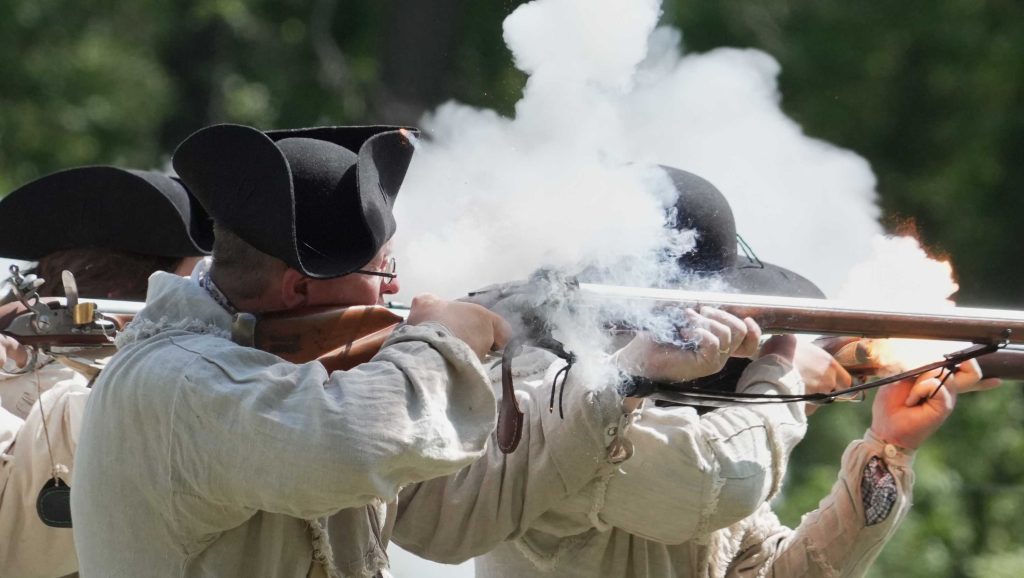
Common examples that often escape the standard “firearm” label include flintlocks, percussion cap rifles, and classic muzzleloaders that accept loose powder and ball. Reproductions of those designs can also fall into the antique category if they are not meant to use fixed cartridges that modern guns use. On the flip side, any replica that fires modern cartridges is almost always treated as a firearm by regulators.
Collectors should know the difference between an antique and a curio or relic item; those are separate ATF concepts that affect buying and selling. Curio and Relic, or C&R, status is a classification for older, collectible firearms but it does not automatically exempt a weapon from normal firearm rules. C&R helps in some transfer situations, but the underlying mechanics and ammunition type still matter.
One practical consequence is that transfers of true antiques often do not require a federal firearms license (FFL) or background checks when the sale stays within state lines. However, interstate shipping and sales can trigger federal rules, and carriers often have their own restrictions. That means you can’t assume a lack of federal oversight makes interstate movement risk-free.
State laws are an important second layer to check, because “not a firearm” federally does not always mean the same thing at the state level. Several states have tightened definitions or imposed requirements for registration, storage, or transfers that apply to antiques and replicas. Always verify state and local rules before a sale, transport, or restoration job.
Restoration and alteration deserve special attention because changes in a weapon’s condition can change its legal status overnight. Restoring an old piece to safe, firing condition could convert a museum-quality artifact into a regulated firearm. Likewise, deactivating a weapon must follow approved methods; improper methods can leave an item that still meets the legal definition of a firearm.
Documentation matters more than many owners realize; provenance, manufacture date, and clear records about ammunition type can make a difference if questions arise. Keep bills of sale, receipts for restoration work, and any manufacturer or appraisal paperwork in a safe place. That kind of paper trail helps if you need to prove an item’s antique status to a carrier, a buyer, or an enforcement agency.
Serial numbers are another tricky area because many antiques lack them while modern replicas usually have clear markings. A missing serial number doesn’t exempt a weapon from scrutiny, and adding or altering serials is illegal. If you find or inherit an unmarked piece, get expert input before moving it across borders or letting someone else handle it.
Import and export rules add another layer when older guns cross international lines; customs and import laws can treat antiques differently, but permits are often required. Museums and legitimate dealers use specific documentation to move collections, and private owners should follow those practices when shipping valuable items. Don’t rely on informal handoffs for cross-border moves.
Insurance and safe storage are common-sense measures that apply whether or not a piece is technically a firearm under federal law. Antique guns can be valuable and dangerous if mishandled, so proper locks, climate-controlled storage, and liability coverage are smart moves. Treat them like the precious, hazardous objects they are.
Mistakes usually come from assumptions: assuming age alone protects you, assuming a replica is non-firearm because it looks old, or assuming that federal gaps mean states won’t step in. When in doubt, pause and check with an expert appraiser, a licensed gunsmith, or your state regulator. A few minutes of verification can prevent big legal headaches later.
For collectors and casual owners alike, the bottom line is simple: many antique and replica guns sit in a special legal space, but that space is narrow and complicated. Know the manufacture date, ammunition type, and local rules before you buy, sell, restore, or transport. Handle these items responsibly and document every step so your passion doesn’t become a legal problem.