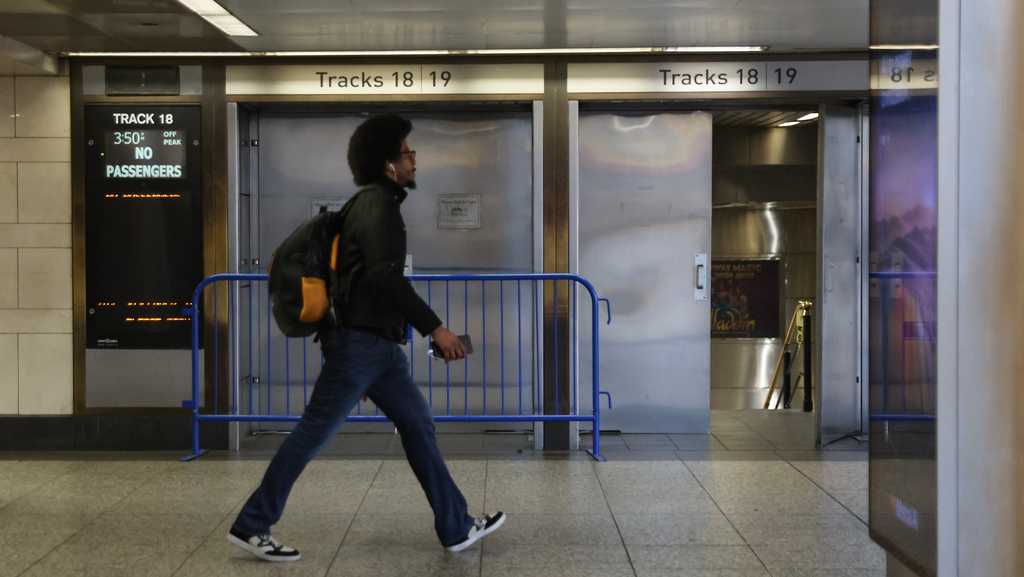
Workers on New York’s Long Island Rail Road are on strike, shutting down the busiest commuter rail network in North America and leaving riders across Long Island and New York City scrambling. This walkout has disrupted commutes, delayed deliveries, and forced transit agencies to scramble for alternatives around Nassau and Suffolk counties and into Manhattan. The strike’s effects are being felt at Penn Station, village centers, and suburban streets where drivers and buses now shoulder the load. This article walks through what’s happening, how people are coping, and what to watch next.
The Long Island Rail Road runs hundreds of trains every weekday and carries hundreds of thousands of riders into and out of the city. When trains stop, the ripple effects are immediate: packed highways, overburdened buses, and longer travel times that turn routine commutes into logistical nightmares. Employers and schools are adjusting schedules, and many workers who relied on predictable train service are having to find costly and time-consuming alternatives. For retail and service sectors, lost foot traffic and late shifts are already adding up to measurable losses.
Transit officials are urging calm while deploying contingency plans, but the gap between in-place resources and demand is wide. Bus fleets are filling up fast and transfers at major hubs like Jamaica and Atlantic Terminal are chaotic during peak windows. Taxis and ride-hail services are surging fares as supply chases demand, leaving cost-conscious riders with tough choices. Meanwhile, parking lots at rail stations that remain inaccessible are filling with stranded cars from people who chose to drive instead.
Local governments and employers have a role to play in easing the crunch, and some are stepping in with flexible schedules or remote work options to reduce peak pressure. Schools in affected districts are tweaking start times and making accommodations for staff who can’t get in on time. Grocery stores and delivery companies are rerouting logistics and bracing for delays, while small businesses in commuter towns worry about lost weekday customers. The longer the strike continues, the more these short-term fixes risk becoming longer-term adjustments.
Commuters are improvising. Carpool networks and neighborhood message boards are buzzing with offers for rides, and community volunteers are organizing shuttle runs between key points. Some riders have switched to ferries where available, or to regional rail and subway connections that still operate, even if they are more crowded than usual. For many, these stopgap solutions add hours to daily travel and a new level of unpredictability to routines that had been reliable for years.
On the operational side, rail infrastructure sits idle while the strike continues, a costly outcome for both the agency and the region. Parking revenues, platform retail, and ancillary services tied to heavy commuter flow are losing steady income. Maintenance windows and planned upgrades might shift around the disruption, complicating service restoration once talks conclude. Airlines and intercity buses are watching too, since traveler patterns can shift dramatically when a major commuter artery goes offline.
Negotiations between union representatives and transit management are ongoing in public view, with both sides feeling pressure from commuters and local leaders. Each day without trains raises the stakes for a quick deal, but also hardens positions when household finances and business receipts start to wobble. Mediators and state officials may get involved if progress stalls, looking to broker a settlement that restores service while containing costs for taxpayers and employers alike.
For now, riders are being advised to plan for the worst and hope for the best: assume longer trips, leave extra time, and consider alternate routes where feasible. Community organizations and municipal hotlines are sharing updates and resources for vulnerable populations who rely on the LIRR for medical appointments and essential work. The scene at major terminals is tense yet determined as commuters adapt and city infrastructure strains under a sudden shift in daily flow.
Expect the next 48 to 72 hours to be critical as talks continue and contingency services adjust to demand. Any headline about an agreement or extension will matter immediately at stations across Queens, Brooklyn, and Long Island. Until then, the region remains in a holding pattern, with commuters, businesses, and transit officials all trying to navigate a sudden new reality where the trains are not running.