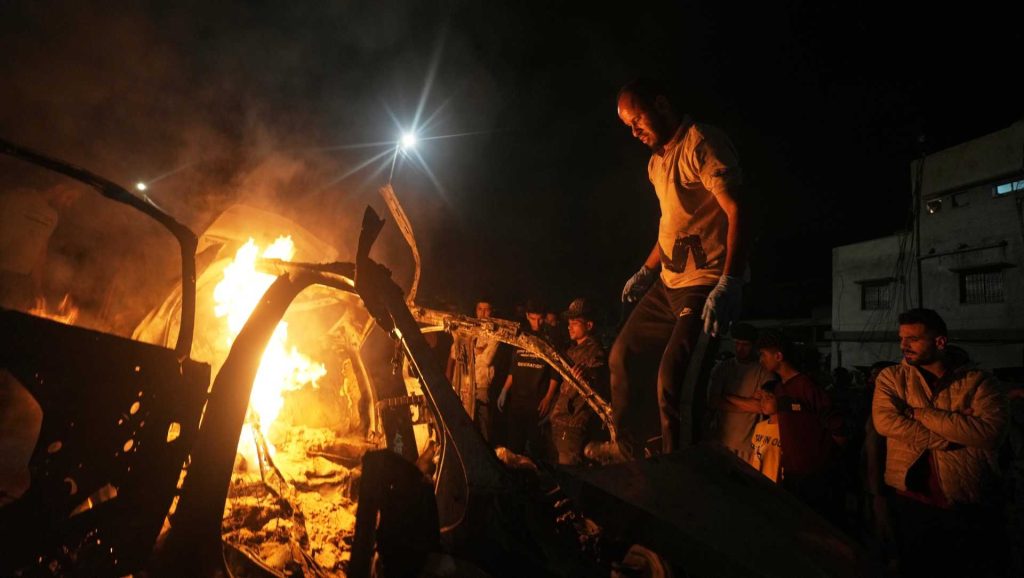
Israel says it has killed the leader of Hamas’ military wing, one of the architects of the Oct. 7 attacks, a development unfolding around Gaza and Jerusalem that has immediate military and political consequences.
The Israeli government announced the strike with a tone of resolve, arguing it targeted a man tied directly to the worst days of October. For many Israelis this is about justice and immediate security, not symbolism. The operation aims to degrade Hamas’ capacity to plan and launch attacks from Gaza.
Soldiers on the ground and intelligence units claim the operation came after careful planning and months of surveillance. Israeli officials say this figure helped design the tactics used on Oct. 7, which left deep scars across the country. For supporters of the action, eliminating a key planner is both retaliation and a preventative move to stop future attacks.
Across the region, the strike is already changing calculations. Hamas and its backers will now have to decide whether to escalate or try to absorb the blow and regroup. That choice matters for civilians in Gaza, for communities along Israel’s border, and for the broader Middle East. The risk of a wider flare-up is real, and leaders in Jerusalem and Washington know that.
In Washington some Republicans are likely to praise Israel’s clarity of purpose and insist on steady support for a partner in a deadly neighborhood. Conservatives argue that showing strength and consequence is the most reliable way to deter future terror plots. They will also press for intelligence cooperation, weapons resupply, and diplomatic backing to prevent the conflict from widening.
Deterrence has to be calibrated; military action without follow-up leaves openings for new threats. Israel’s military goals will need to be paired with durable plans for border security and hostage recovery efforts that began after Oct. 7. If operations simply remove leaders without disrupting networks, the cycle of violence can continue and ordinary people pay the price.
Humanitarian concerns remain urgent and unavoidable. Gaza’s population will feel the effects of any military moves nearby, and international aid groups are under pressure to get food, water, and medical supplies where they are needed. Republican-leaning analysts will point to the importance of pressuring Hamas to stop using civilians as shields and to allow aid to move freely.
Meanwhile, the political scene back home will twist around how leaders talk about the action. Some will applaud the decisive strike as necessary and moral, others will raise questions about proportionality and long-term strategy. For now, public opinion in Israel tends to back tough measures against the group that carried out Oct. 7, and that popular mandate shapes military decision-making.
On the ground, Israeli forces are likely to keep hunting operational cells and logistics networks tied to Hamas’ military wing. The broader goal is a diminished capability to plan mass-casualty attacks and to disrupt the command structure that made October possible. Success won’t be measured in a single headline; it will require sustained effort, cooperation with allies, and ironclad follow-through.
The fallout will be watched closely in capitals from Cairo to Washington and in capitals across Europe. The message from those who support Israel’s move is simple: acts of terror demand clear consequences. How this episode reshapes strategy in Gaza and the region will depend on whether leaders pair military action with clear plans for security, humanitarian access, and long-term political solutions.