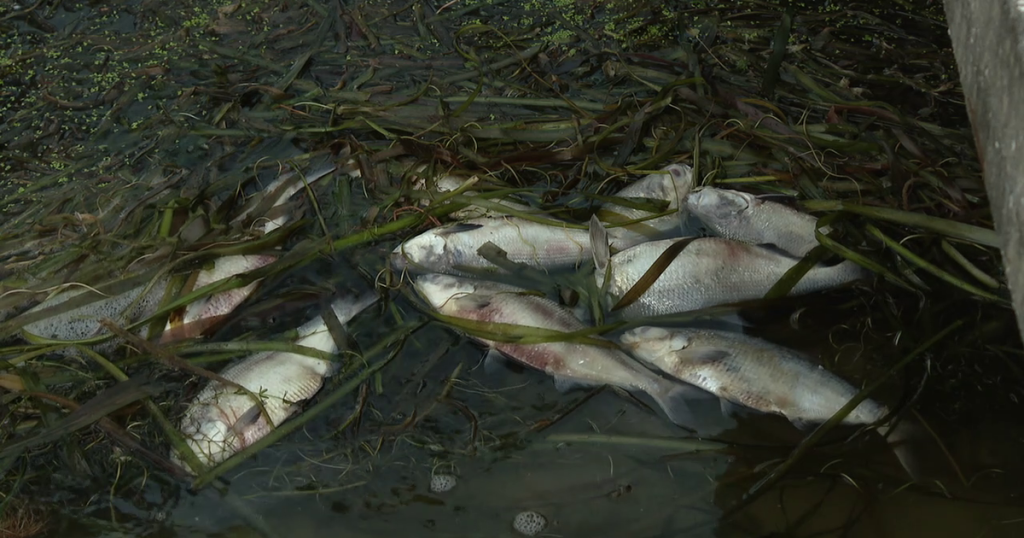
Officials in Lakeland, Florida are investigating why hundreds of gizzard shad washed up dead along the shore of Lake Hollingsworth, a scene discovered by local siblings Noah and Vera Fetterhoff and reported to city crews. The city collected water samples for the Florida Fish and Wildlife Conservation Commission to test while lakes staff and residents watch the drought-era heat get blamed for low dissolved oxygen levels that can kill sensitive fish. City lakes and stormwater manager Laurie Smith and local families are among those quoted as the situation unfolds.
Noah Fetterhoff, 12, and his 9-year-old sister Vera were out fishing when they encountered the dead fish near the boat ramp, turning a routine afternoon into something unsettling. Noah explained why they went down to the lake and how the trip began in a casual, kid-level way: “I was just bored, and I felt like fishing, and my parents said we could come down here, which is great,” Noah Fetterhoff said. Their visit was meant to be simple, but instead became a firsthand look at an environmental problem.
The siblings were among the first on scene to notice the smell and the floating fish, which worried them and other visitors. Vera captured the moment with a frank, childlike reaction: “I thought there was a dead person, or it was just gas, but then I walked over here, and there were a lot of dead fish,” Vera said. “I thought, ‘Are these things alive or dead?’ And they were all dead because I saw the birds nibbling at them.”
City crews responded after calls came in about the die-off, and initial on-the-ground checks pointed to several hundred gizzard shad affected along the shoreline. Gizzard shad are a native species known to be sensitive to rapid changes in temperature and oxygen levels in shallow lakes, which makes them a sort of early-warning sign when lakes are stressed. Officials say the count is in the hundreds, not thousands, and crews are managing removal and monitoring to keep things contained.
Warm, dry conditions have been blamed for making the lake more hostile to those fish, especially over the last few weeks when daytime temperatures climbed and rainfall stayed scarce. “It has been very hot over the past few days, and we’ve had no rain in these drought conditions, so that leads to [low] dissolved oxygen in the water, and the water heats up, and it impacts those fish,” Laurie Smith, the city’s lakes & stormwater manager, said, which explains why a native species like gizzard shad could suddenly die off in numbers that worry residents.
The city took a water sample and sent it out for laboratory testing to make sure there wasn’t a more unusual cause like a contaminant or a bloom at work. So far, inspectors say they have not observed algal blooms or chemical spills at Lake Hollingsworth, and the sample was collected specifically for the Florida Fish and Wildlife Conservation Commission to analyze. That testing will help confirm whether the die-off is strictly a result of heat and low oxygen or if something else needs attention.
Even with the unpleasant smell and the sight of dead fish, some residents kept coming to the lake for normal recreation, which underscores how community life goes on around these bodies of water. The dead gizzard shad drew birds and curiosity, but families like the Fetterhoffs moved past the shock to try their luck fishing, focusing on catching bass or catfish rather than dwelling on the clean-up. Public crews are balancing the cleanup with routine maintenance to keep access open where it’s safe.
City officials and biologists will be watching weather forecasts closely because a return of rain would be the quickest natural fix for increased oxygen and cooler surface water temperatures. “Until it starts raining again, and water levels can rise up a little bit, hopefully, we won’t experience this in our lakes,” Smith said, expressing the cautious hope that a change in conditions will reduce future episodes. In the meantime, the municipal team and the FWC are coordinating next steps and monitoring results.
A spokesperson with the Florida Fish and Wildlife Conservation Commission says they expect to receive the water sample on Thursday, which will kick off official lab testing. The outcome of that analysis will guide whether any further action is needed beyond monitoring and cleanup. For now, residents and crews in Lakeland are dealing with a messy, smelly reminder of how heat and drought can quickly stress local lakes and the wildlife that depends on them.