There is a particular kind of satisfaction that comes from wandering a place where history hasn’t been polished into a theme park version of itself. Springdale’s Shiloh Historic District delivers exactly that — a genuinely authentic, walkable stretch of downtown where the architecture, the stories, and the atmosphere all feel earned rather than manufactured.
Tucked along Emma Avenue in the heart of downtown Springdale, the Shiloh Historic District encompasses a compact but richly layered collection of late-nineteenth and early-twentieth-century commercial buildings. The district takes its name from the Shiloh community, the original settlement that would eventually grow into the city of Springdale, and walking through it feels a bit like reading the city’s biography in brick and mortar.
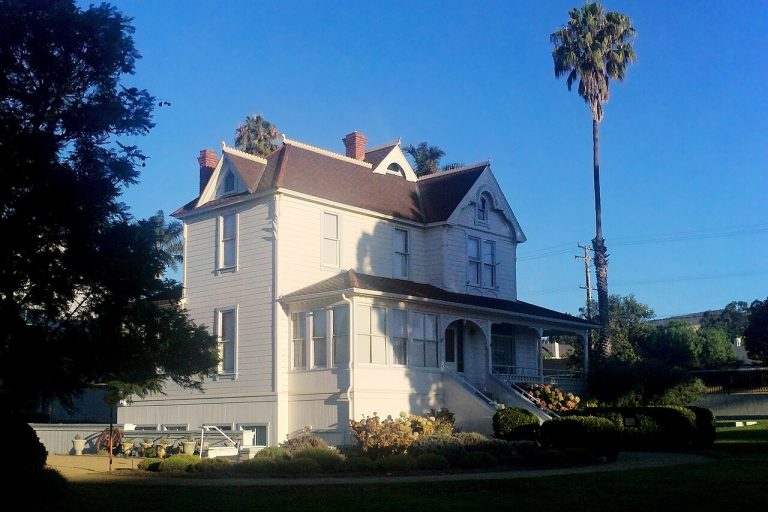
What makes this area so rewarding is the texture of it. The facades along Emma Avenue range from sturdy Romanesque Revival storefronts to more modest vernacular commercial buildings, and they’ve been maintained with enough care to feel significant without feeling sterile. You can stand on the sidewalk and easily imagine the street humming with the activity of a prosperous Ozark market town — because, for well over a century, that is exactly what it was.
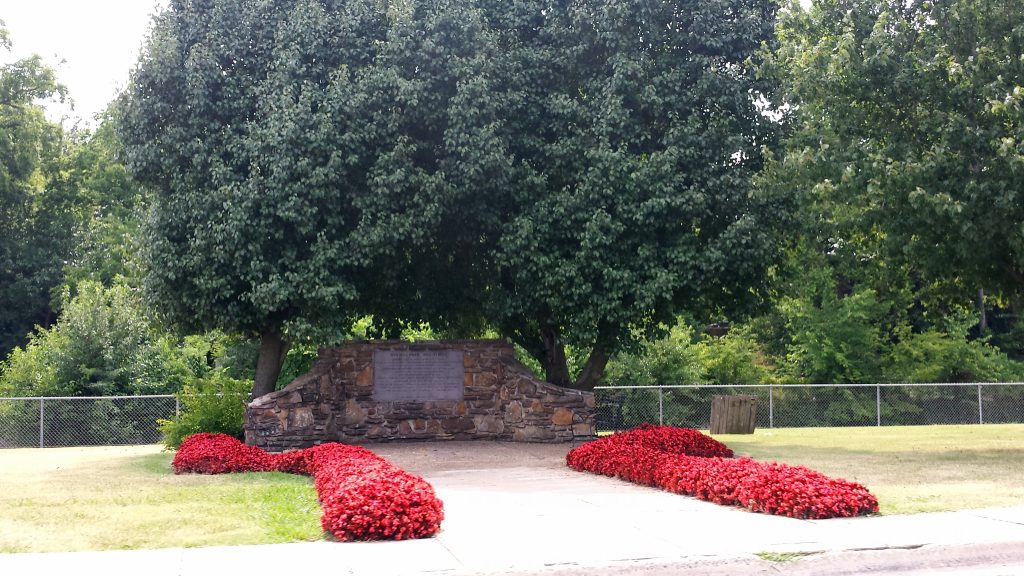
The best way to experience the district is simply on foot. Give yourself an unhurried hour or two to explore. Start at the western end of Emma Avenue and work your way east, pausing to read the interpretive markers that highlight key buildings and the families and businesses that shaped the city. The markers are well-written and genuinely interesting — the kind of local history that makes you want to know more rather than glaze over.
Along the way, you’ll find that the historic district isn’t frozen in amber. Independent shops, locally owned restaurants, and creative businesses have moved into many of the old storefronts, breathing new life into the bones of the original streetscape. It’s a lovely combination: history you can actually touch, surrounded by a neighborhood that’s actively living and growing.
If you visit on a weekend morning, the light falls beautifully along the avenue, and foot traffic is light enough that you can photograph the architecture without feeling rushed. Bring comfortable shoes and a camera, and consider pairing your walk with a stop at one of the nearby coffee shops or lunch spots that have set up in the district’s restored spaces.
For anyone who appreciates the way a city’s character accumulates over time — layer by layer, building by building, story by story — the Shiloh Historic District is one of the most rewarding few blocks in all of Northwest Arkansas. It’s quiet, it’s real, and it’s completely worth your afternoon.