Ben Guerdane, Tunisia – A hospital in the southern city confirmed receipt of at least 19 bodies recovered from the sea over the past two days. The remains are believed to belong to migrants who attempted the dangerous crossing after a boat carrying seven members of the same family capsized over the weekend.
Protests erupt in response to the tragedy
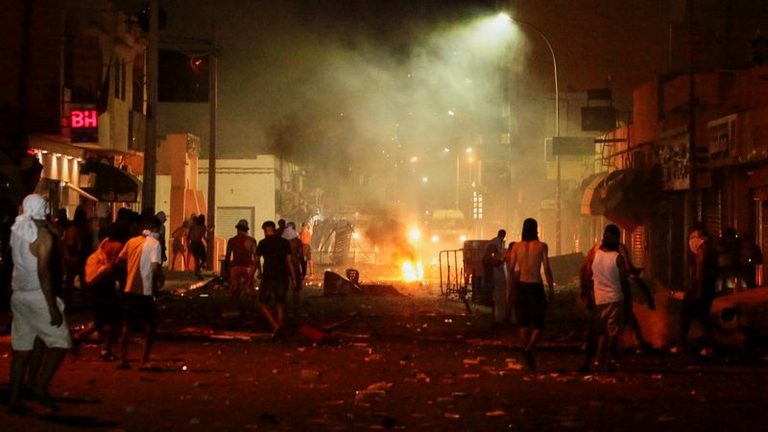
News of the loss quickly sparked angry demonstrations on Sunday night. Residents gathered in the streets, burning tyres and blocking major thoroughfares. Police responded with tear‑gas to disperse the crowds, but the anger remained palpable.
Protesters voiced frustration over what they see as a lack of economic development and limited opportunities in the region. Many young people, they said, feel forced to risk their lives on perilous sea routes in hopes of a better future in Europe.
Authorities work to identify the deceased
Mostafa Abdelkebir, head of the Tunisian Observatory for Human Rights, told Reuters that genetic testing is underway to confirm the identities of the bodies and determine how many were aboard the sunken vessel. Searches continue for any additional missing persons.
It remains unclear whether all 19 bodies recovered are from the same boat, but the ongoing investigation aims to provide answers for grieving families.
Broader context of migration from Tunisia
Tunisia has long been a departure point for migrants seeking to cross the Mediterranean. In the past two years, departures have sharply declined after a crackdown and tighter maritime controls, supported by European funding and modern border‑monitoring equipment, particularly from Italy.
Human Rights Watch, Amnesty International and dozens of other humanitarian groups issued a joint statement last month warning that the EU‑Tunisia migration agreement has facilitated serious abuses against migrants and asylum seekers in Tunisia.
Community impact and future outlook
The incident underscores the ongoing challenges faced by communities along Tunisia’s southern border. While the government emphasizes security and border enforcement, local residents continue to call for sustainable economic development, job creation, and infrastructure improvements to deter dangerous migration attempts.
As families await identification of their loved ones, the protests serve as a stark reminder of the human cost of migration policies and the urgent need for solutions that respect both national security and the dignity of individuals seeking a better life.
Original reporting: Appleton, WI News Feed (HLL/CB) — read the source article.