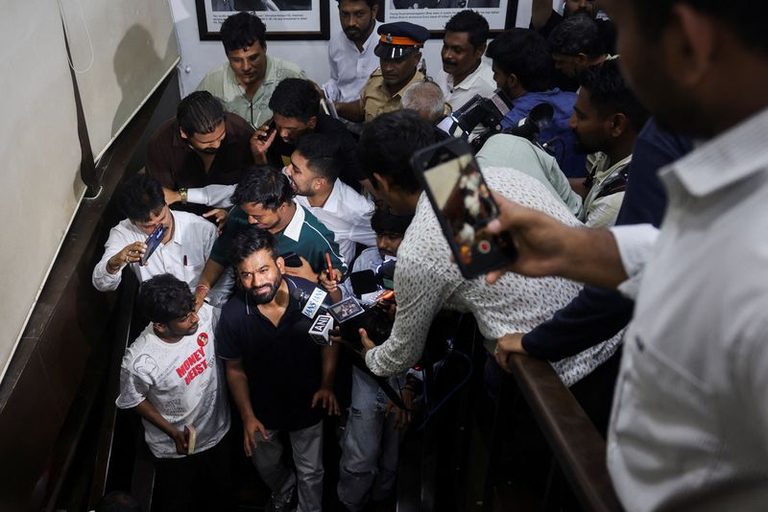
New Delhi – On Friday, the Gen Z‑driven Cockroach Janata Party (CJP) will stage a major protest in Mumbai, while a coalition of student and civil‑society groups gathers at New Delhi’s Jantar Mantar. Both groups are calling for the resignation of Election Commissioner Gyanesh Kumar, accusing the Election Commission of manipulating voter rolls to benefit Prime Minister Narendra Modi’s Bharatiya Janata Party (BJP).
Background to the dispute
The controversy stems from a nationwide voter‑verification exercise launched last year. The Election Commission says the drive is intended to remove duplicate, deceased or otherwise ineligible voters and to improve the accuracy of electoral rolls. Critics, however, argue that the process has led to the removal of millions of eligible voters, disproportionately affecting supporters of the BJP.
Allegations and internal concerns
According to a report by the Indian Express, two deputies of the Election Commission raised formal concerns at least 14 times over the past ten months. Their complaints focused on voter‑list revisions, registration procedures, and the Commission’s digital systems. The Commission has responded that differing views are a normal part of internal deliberations and maintains that all actions taken were lawful.
Protest demands
“We have been asking for change, but nothing is happening. If the only tool left to change anything in our society – the right to vote – is taken away from us, we will continue to protest,” said Saurav Das, convenor of the CJP, in an interview with ANI. Das added that the protests will only end when Commissioner Kumar steps down.
Wider opposition
Opposition parties, led by the Congress, have also announced plans to protest and demand Kumar’s resignation on October 6. The CJP, which emerged earlier this year from online frustration over unemployment and leaked examination papers, gained national attention after leading mass protests that forced the resignation of India’s education minister – a notable setback for the Modi administration.
Potential impact
The protests highlight growing scrutiny of India’s Election Commission, an institution traditionally viewed as one of the country’s most trusted. While the Commission insists its voter‑verification effort is lawful, the mounting pressure from youth movements and opposition parties could prompt a review of the roll‑cleaning process ahead of upcoming elections.
What’s next?
Demonstrators plan to expand their rallies beyond Mumbai and New Delhi in the coming days, aiming to keep the issue in the national conversation. Observers will be watching closely to see whether the pressure leads to any administrative changes or further legal challenges to the voter‑verification exercise.
Original reporting: Appleton, WI News Feed (HLL/CB) — read the source article.