Recent research from Engine, a platform used by companies to book work travel, examined 128.5 million hotel searches across the 50 largest U.S. markets over a two‑year period. The study focused on median nightly rates for business‑account searches made 10 to 180 days before check‑in, from May 2024 through April 2026. The findings show that in many mid‑size cities a single event can cause hotel prices to surge dramatically—sometimes nearly doubling the usual rate.
Key spikes by city
Omaha, Nebraska, typically sees rates between $95 and $126 per night. In June, however, the median price jumps to $182, a 1.48‑times increase, coinciding with the College World Series, which has been held there every June since 1950.
Albuquerque, New Mexico, follows a similar pattern in October. Rates climb from $111‑$156 to $179 during the International Balloon Fiesta, a 1.43‑times rise.
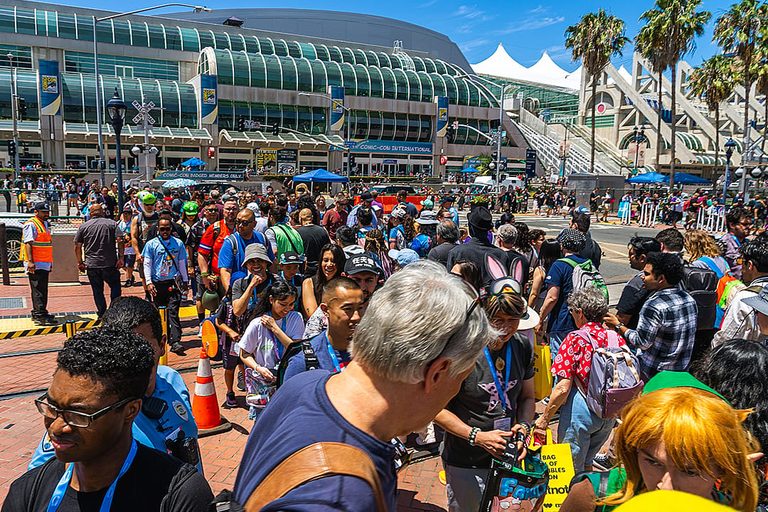
San Diego, California, experiences a $70 jump in July, reaching $292 when Comic‑Con takes place. Indianapolis, Indiana, sees its May rates spike when the Indy 500 concludes the month, while Houston, Texas, spikes in March during the Livestock Show and Rodeo.
New Orleans, Louisiana, has two distinct peaks: February around Mardi Gras ($231) and October during convention season ($228). The cheapest month is August at $124, when heat and humidity reduce demand.
Boston, Massachusetts, records its highest rates in May ($390) for college commencement weekends and in October ($458) when foliage season aligns with major conferences. January’s rate of $166 represents a 64 % spread—the widest in the nation, tied with New York.
Austin, Texas, sees its most expensive month in October ($209) when Austin City Limits and the Formula 1 United States Grand Prix both occur, while August is the cheapest at $134.
Las Vegas, Nevada, peaks in October ($180) despite CES filling the city in January, and its lowest rates appear in June ($132) due to extreme heat.
Phoenix, Arizona, enjoys a seasonal peak rather than a single event, with rates of $246 in February and March during Cactus League spring training. August drops to $96.
Why mid‑size markets feel the impact most
The data suggests that cities with modest, steady business demand and no strong leisure season are most vulnerable to price spikes. A single week‑long event can fill every available room, pushing the median nightly rate upward sharply. Larger convention hubs, by contrast, have deeper hotel inventories that absorb demand without dramatic price changes.
Weather‑driven markets differ
Seattle, Washington, illustrates a weather‑driven pattern, with rates rising gradually from $139 in January to $297 in July, without any single event driving the increase.
Practical advice for travelers
When a month appears unusually expensive, the study recommends checking the local calendar. Often, moving a trip a week earlier or later can avoid the spike entirely. The researchers caution that while event dates line up with price jumps, the data cannot definitively prove causation.
Methodology note
All figures represent median public‑shelf prices shown in live searches, not negotiated corporate rates, which are typically lower. The analysis reflects business‑account searches, offering insight into how corporate travel budgets may be affected by major local events.
Understanding these patterns can help both travelers and businesses plan more cost‑effective trips, and it underscores the economic influence that festivals, sports events, and conventions wield on local hospitality markets.
Original reporting: KRDO (Colorado Springs metro) — read the source article.