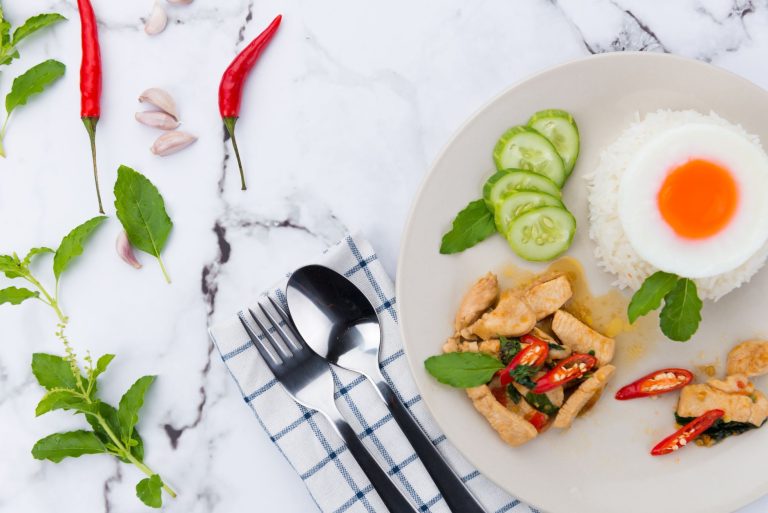
In a commercial kitchen just outside Raleigh, North Carolina, Nicholas Hohns spreads a blue‑green gummy mixture into a tray, creating one of his company’s signature THC edibles. Hohns, like dozens of other entrepreneurs, faces an uncertain future as Congress moves to close a loophole that has allowed hemp‑derived intoxicating products to thrive.
Federal action and the Trump administration’s role
The short‑term government‑funding bill President Trump signed last month includes a provision that delays the effective date of the so‑called “hemp‑THC ban” by one month, moving it from Nov. 12 to Dec. 11. This delay gives lawmakers additional time to consider a regulatory framework rather than an outright prohibition.
Sen. Mitch McConnell (R‑KY) originally pushed the 2018 farm bill that legalized industrial hemp, defining it as cannabis containing less than 0.3% delta‑9 THC by weight. That definition created a loophole: products such as gummies, sodas and vape oils could meet the hemp threshold while still delivering enough THC to cause intoxication.
Industry impact
According to a recent Whitney Economics report, the pending ban could cut retail revenues by $28.3 billion, eliminate roughly 225,000 jobs and reduce state sales‑tax collections by $2.1 billion. The ban would limit THC in hemp products to 0.4 milligrams per container—a level that many producers say would make their flagship items unsellable.
Companies are scrambling to adapt. Kentucky‑based Cornbread Hemp, run by Eric Zipperle and Jim Higdon, says it would be willing to cap THC at 5 milligrams per package, but the 0.4‑milligram ceiling would effectively shut down their operation. “If it goes through in December, this place is toast,” Zipperle warned. The firm employs 105 workers, sells hemp beverages in 18 states and projects $65 million in sales this year.
Jonathan Miller, general counsel for the U.S. Hemp Roundtable, notes that the proposed limit would also ban many non‑impairing CBD products, such as topical lotions, further squeezing the market.
Local entrepreneurs feel the pressure
Hohns, who runs Deutermann Farms in Clayton, NC, entered the hemp space after losing his job as a personal trainer during the pandemic. “When I started seeing THC edibles being sold … I thought I had 18 months to two years to make money in this industry,” he said. He now faces the prospect of pivoting to other products, such as creatine gummies, if the ban takes effect.
In Sheboygan, Wisconsin, cannabis‑beverage maker Drinkin’ Buds has already mothballed production. Co‑founder Matt Swanson took himself off the payroll, saying, “There’s just so much uncertainty. I’m actively looking for employment.”
Support and opposition
Even some traditional alcohol retailers, including Total Wine & More, have voiced support for the ban, noting that cannabis seltzers have helped offset declining alcohol sales. Conversely, critics argue the ban threatens jobs and consumer choice. Kevin Sabet, CEO of Smart Approaches to Marijuana, expressed sympathy for workers losing jobs while also emphasizing public‑health concerns.
The regulated legal‑marijuana industry, which sees hemp‑THC as unfair competition, also backs the ban. Lobbyist Cory Harris warned that predictions of catastrophic economic loss may be overstated, adding that some products could find a home in state‑legal markets if interstate sales are halted.
What’s next?
With the December 11 deadline looming, industry groups are urging lawmakers to adopt a more moderate approach—such as restricting sales to adults 21 and older, setting a reasonable THC cap per package, and banning imported cannabis compounds. State legislators in North Carolina and other non‑legalizing states are watching closely, as the outcome could shape future hemp‑program proposals.
For now, the one‑month delay bought by the Trump administration provides a brief window for stakeholders to make their case before the final rule takes effect.
Original reporting: Alexandria, VA News – WTOP News — read the source article.