The Yale Peabody Museum in New Haven has opened a new special exhibition titled “About Time: Measuring the Natural World.” Running through the summer of 2027, the show invites families, students and anyone curious about the deep past to explore how humanity has tried to understand the fleeting nature of time.
Ancient Specks From Space
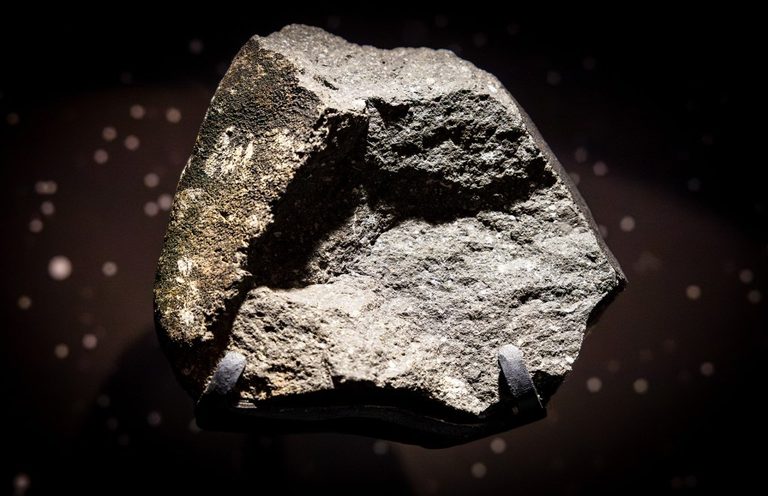
One of the exhibition’s most striking features is a fragment of the Allende meteorite that fell in Chihuahua, Mexico, in 1969. On the interior of the rock, tiny white specks—known to scientists as calcium‑aluminum inclusions (CAIs)—have been dated by Peabody earth‑and‑planetary scientist Jay Ague to 4.5‑4.6 billion years old, essentially the moment our solar system began.
“It’s awe‑inspiring,” Ague said, noting that the inclusions represent the first gathering of minerals and elements that eventually formed planets. He added that the meteorite also contains amino acids, the building blocks of proteins, which he described as “potential building blocks of life.” While he stopped short of claiming extraterrestrial life, the presence of these organic molecules underscores the meteorite’s scientific importance.
Connecting Past and Present
Visitors move from the ancient specks to rooms filled with fossils, clocks, watches, hourglasses and 19th‑century chronometers. The exhibition’s design, created with input from New Haven Public Schools teachers, encourages guests to consider how our ancestors measured time and how those efforts compare to the billions‑year timeline represented by the meteorite.
Other highlights include a living ginkgo tree—a species that has changed little over millions of years—and a historic collection of crabs from Long Island Sound dating back to the 1850s, illustrating how some species evolve rapidly while others remain remarkably stable.
Why It Matters to New Haven Families
“It’s framed around time and its workings in our collections, and how you think about Earth’s history,” said associate director of exhibitions Kailen Rogers. The museum’s policy of not displaying human fossils keeps the focus on natural history, reminding visitors that humanity’s footprint on the planet is relatively small yet profoundly impactful.
For parents and teachers, the exhibit offers a tangible way to discuss stewardship, the wonder of creation, and the responsibility of caring for a world that has existed for billions of years. The museum hopes the experience will inspire a deeper appreciation for both scientific discovery and the spiritual awe that comes from contemplating the universe’s origins.
Plan Your Visit
The “About Time” exhibition is open to the public now and will run through August 9, 2027. Admission details, programming schedules and educational resources are available on the Peabody Museum’s website.
Original reporting: New Haven Independent — read the source article.