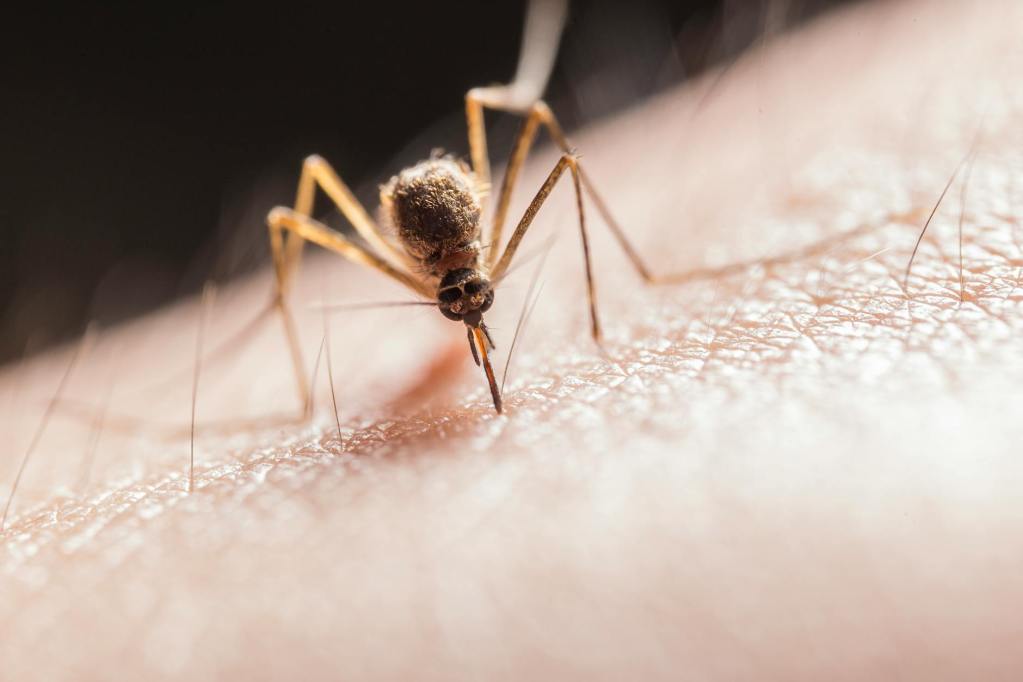
As the summer season unfolds in Wyoming, residents are being reminded by the Wyoming Department of Health (WDH) to protect themselves against mosquitoes, which are known carriers of the West Nile virus (WNV). The state has seen higher infection rates compared to the rest of the country, making it crucial for locals to be vigilant.
Understanding West Nile Virus
West Nile virus is primarily spread by mosquitoes that have fed on infected birds. While most people infected with WNV do not exhibit symptoms, those who do may experience fever, headache, body aches, skin rash, and swollen lymph nodes. Severe cases, although rare, can lead to serious illness or even death, particularly among individuals over 55 or those with existing health conditions.
Preventive Measures
To reduce the risk of mosquito bites and potential WNV infection, the WDH recommends several preventive measures:
- Use insect repellents approved by the Environmental Protection Agency, such as those containing DEET, picaridin, Oil of Lemon Eucalyptus, or IR3535. Follow the label instructions carefully.
- Wear loose-fitting, long-sleeved shirts and pants when outdoors.
- Avoid outdoor activities during dawn and dusk, when mosquitoes are most active.
- Install tightly fitted screens on windows to keep mosquitoes out of homes.
- Eliminate standing water around the home to prevent mosquito breeding.
- Apply larvicides, like Bacillus thuringiensis israelensis, in stagnant water sources such as ornamental ponds, following product instructions.
Historical Context and Current Concerns
West Nile virus was first detected in Wyoming in 2002. A significant increase in cases was observed in 2023, with 72 reported cases and four fatalities among residents. In 2025, two more deaths were recorded, emphasizing the importance of preventive actions as mosquito season begins anew.
For more information on how to protect yourself and your family from West Nile virus, visit badskeeter.org.
Original reporting: Buckrail (Jackson WY) — read the source article.