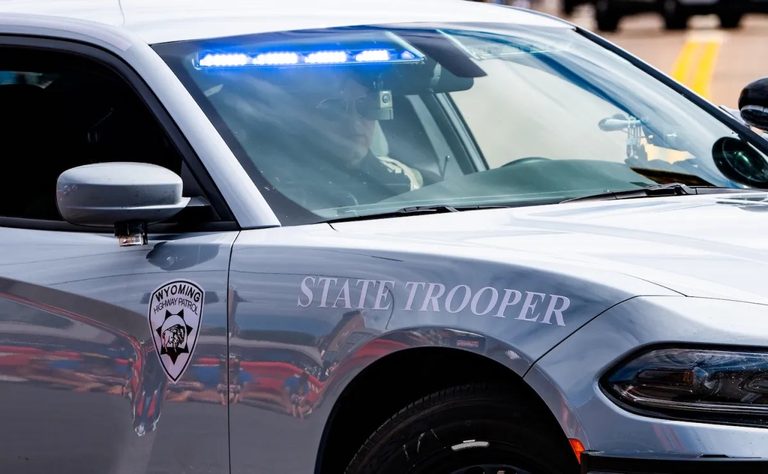
The Wyoming Department of Transportation announced that the Wyoming Highway Patrol has been forced to curb both mileage and overtime in order to keep its finances on track after a 2026 budget shortfall. Department spokesperson Doug McGee said the agency “operates on a balanced budget and would not carry over a negative balance,” noting that the overrun was identified early enough to avoid a larger deficit.
Overtime spending exceeded expectations
According to a report by the Wyoming Tribune Eagle, the patrol was allocated roughly $3.2 million for overtime in the 2025‑2026 biennium. By December 2025, however, the agency had spent nearly $4.9 million, prompting the transportation department to step in.
Former Patrol Colonel Tim Cameron, who retired in March, attributed the overspend to fewer vacancies and higher wages for troopers. He was succeeded last month by Colonel K.C. Ramsey.
New budget measures for fiscal year 2027
Effective Oct. 1, the patrol began operating under a new biennium budget of $93 million, an increase of $13.6 million over the prior period. The boost is intended to cover legislature‑approved salary raises and an internal reorganization designed to place more supervisors on the ground and adjust district boundaries for faster response times.
The transportation department also added roughly $4 million to the patrol’s budget to cover rising operational costs such as training, vehicle use, and one‑time purchases of body‑worn cameras, car‑cameras and vehicle radars.
Leadership stresses fiscal discipline
Wyoming Department of Transportation Director Darin Westby told lawmakers, “We are forcing them to ensure that they can stay within their budget. At the end of the day, we have a budget. We got to stick with it. And if we have to stay within X number of miles, we have to stay within X number of miles.”
Westby acknowledged that mileage caps sometimes leave troopers stationary in medians, but emphasized that the patrol will still respond to major incidents, citing the June shooting in Baggs as an example. “Overtime be darned,” he said. “We have a mission to uphold and we’re going to do that. We’ll take care of it on the back end.”
Impact on public safety
Local law‑enforcement officials have noted that staffing shortages and budget constraints have created gaps in patrol coverage across the state. Nonetheless, the department’s adjustments aim to preserve essential services while preventing future overspending.
By limiting mileage and overtime, the patrol hopes to avoid another budget crisis while still maintaining the ability to respond quickly to emergencies. The added funding for training and equipment is expected to improve overall effectiveness and officer safety.
Looking ahead
The transportation department will continue to monitor patrol expenditures and adjust limits as needed. Officials say the new budget structure, combined with the $4 million supplemental increase, puts the agency on a more sustainable financial path for the remainder of the 2027 biennium.
Original reporting: Oil City News (Casper WY) — read the source article.