New Haven – Connecticut’s legislature took a historic step for religious liberty this year when it passed, unanimously, a bill formally recognizing Diwali, the five‑day festival of lights celebrated by Hindus, Buddhists, Sikhs and Jains. Governor Ned Lamont signed the measure into law in 2025, making the Constitution‑state a leader in honoring the faith traditions of its growing immigrant families.
Local advocates drove the change
Rajeev Pahuja, a 40‑year‑old fashion and media consultant who grew up in Hamden as the son of Indian immigrants, has been the public face of the effort. Pahuja recalled feeling isolated as a child when his family lit candles at home because there was no local temple. “There was no belonging for me,” he said in a recent interview on WNHH FM’s “Dateline New Haven.” His personal experience spurred a broader campaign to ensure future generations would not face the same loneliness.
Inspired by a 2023 Diwali celebration at New York City’s Gracie Mansion, Pahuja began lobbying city officials in New Haven, Greenwich and Stamford. He secured proclamations honoring Diwali from each municipality and then drafted legislation for the state. After testifying before lawmakers, the bill sailed through the House and Senate with unanimous support and was signed by Gov. Lamont.
What the law means for workers and families
Under Connecticut’s Fair Employment Practices Act and Title VII of the Civil Rights Act of 1964, employees who observe Diwali can now request a day off without fear of retaliation. The law also signals that the state acknowledges the cultural contributions of the roughly 30,000 residents who celebrate Diwali and the ten Hindu temples that now serve the community.
“I wanted future generations to be seen and valued in the state,” Pahuja explained. “I wanted our children to know about Diwali and our neighbors to see inclusivity.” The legislation aligns with the Constitution’s guarantee of free exercise of religion and reinforces the family‑centered values that many Connecticut households cherish.
Next steps: school boards and private employers
Pahuja is now urging local school boards, including New Haven’s, to grant students a day off for Diwali, similar to the holiday break for Christmas. He is also encouraging private businesses to adopt flexible policies that allow employees to observe the festival if they wish.
Community leaders have praised the move as a model of how faith‑based advocacy can produce concrete policy outcomes. “Recognizing Diwali is a win for religious liberty and for families who want to share their traditions with their children,” said a senior official at the Connecticut Department of Labor.
About Diwali
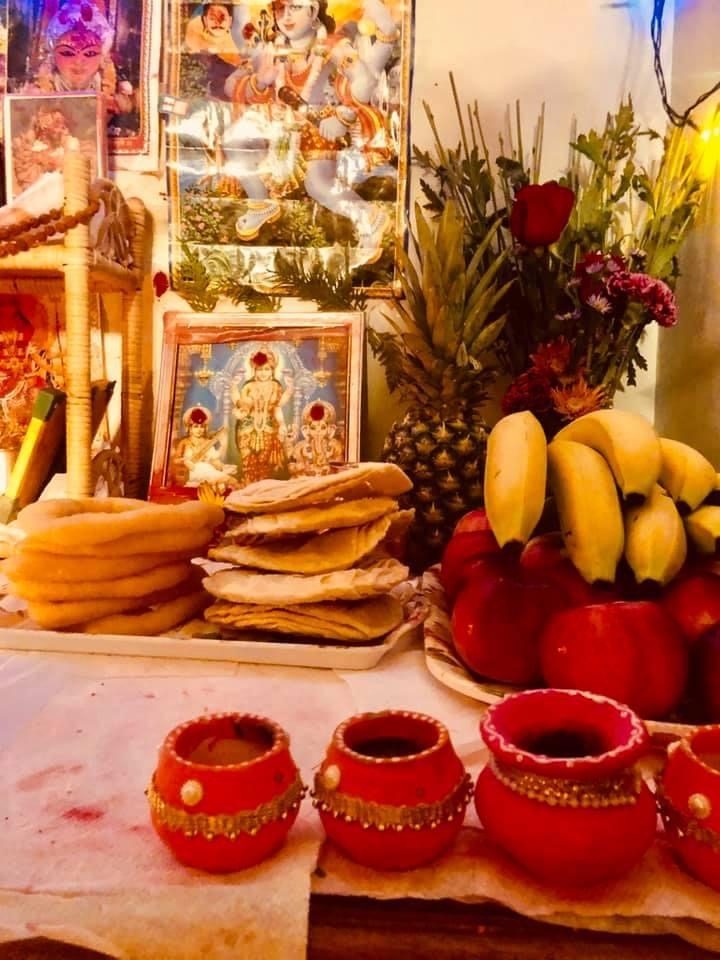
Diwali spans five days, each focusing on themes such as prosperity, health, gratitude for nature, and the triumph of good over evil. Families light candles, perform prayers, and exchange gifts, especially between brothers and sisters on the final day. The holiday’s emphasis on light and moral virtue resonates with the broader values of community, family, and faith that define Connecticut’s civic life.
As the state celebrates this milestone, advocates hope the recognition will inspire other states to follow suit, further protecting the constitutional right of all citizens to practice their faith openly and without discrimination.
Original reporting: New Haven Independent — read the source article.