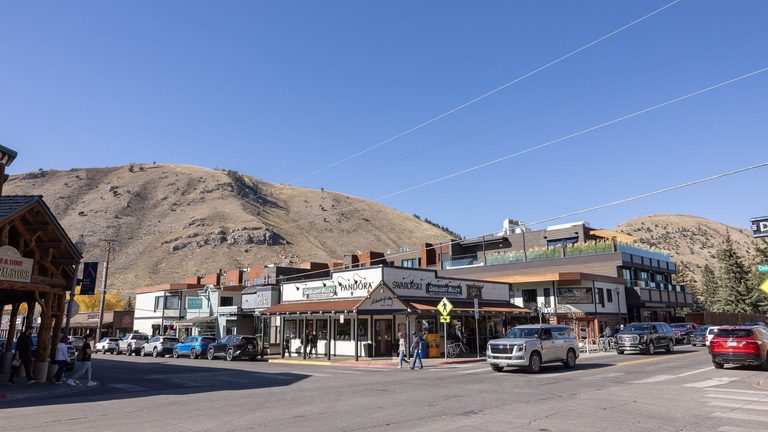
Wyoming’s Economic Analysis Division released its second‑quarter 2026 Cost of Living Index (WCLI) on November 5, highlighting a sharp disparity between Teton County and the rest of the state. The index, which combines a year‑over‑year inflation measure with a Comparative Cost of Living Index (CCLI), shows Teton County’s overall price level at 177 – roughly 77% higher than the statewide benchmark of 100.
Statewide inflation climbs to 3.9%
The report notes that Wyoming’s overall inflation rate increased to 3.9% in the second quarter, up from 3.4% in the fourth quarter of 2025. Inflation is measured by comparing the price of a standard basket of consumer goods and services to the same basket a year earlier. Category‑specific increases include housing (+4.5%), transportation (+4.3%), apparel (+4.0%), medical (+2.8%), food (+2.7%) and recreation/personal care (+2.4%).
County rankings and rental market
Beyond Teton County’s leading CCLI score, four other counties rank above the state average: Lincoln County (Afton region) at 113, Laramie County at 105, and both Sheridan and Sublette counties at 102. The CCLI methodology compares each county’s price level to the statewide average of 100 for a single reporting period, without tracking changes over time.
Rental data collected across 28 Wyoming cities and towns also underscores Teton’s premium market. The average monthly rent for an apartment in Teton County is $3,641, a 7.8% increase from a year ago. The county also leads in average rents for houses ($4,332, up $32 since Q2 2025), mobile home lots, and mobile homes. By contrast, Sheridan County recorded the largest percentage jump in apartment rents – an 11.4% rise from $869 to $968.
Implications for residents and policymakers
For families and individuals considering a move to or within Wyoming, the index provides a clear snapshot of where costs are highest. The pronounced gap in Teton County reflects its strong tourism economy and limited housing supply, factors that local officials may need to address through targeted development or affordable‑housing initiatives.
State policymakers can use the WCLI data to gauge the effectiveness of economic‑development strategies and to identify regions where cost pressures may be impacting household budgets. While inflation remains modest compared with national averages, the upward trend signals the importance of continued fiscal prudence and support for sectors most affected by price increases.
Full report available
The Wyoming Cost of Living Index is released twice a year, following the second and fourth quarters. The complete report, including detailed methodology and county‑by‑county breakdowns, is available on the Wyoming Economic Analysis Division’s website.
Original reporting: Buckrail (Jackson WY) — read the source article.