Wyandotte County voters rejected a quarter‑cent sales‑tax initiative by a narrow margin, a measure that would have directed $12 million in annual sales‑tax revenue toward under‑resourced homeless and health‑care services, according to The Beacon. The vote comes as the county faces a rise in homelessness, with at least 164 people sleeping outdoors during the coldest months of 2026, up from 115 the previous year, per a 2026 report by the Greater Kansas City Coalition to End Homelessness.
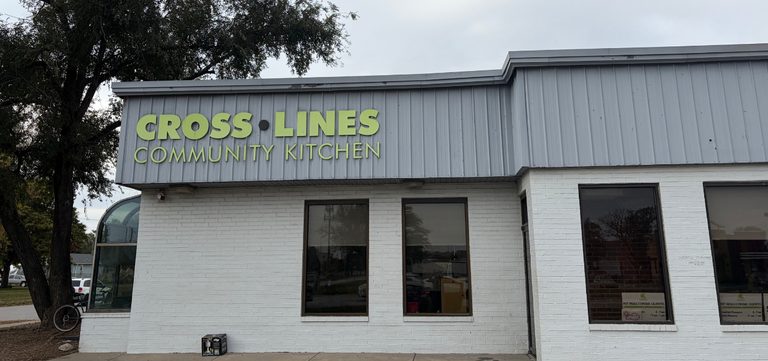
Advocates say the lack of a year‑round shelter, limited affordable housing, and insufficient mental‑health and substance‑abuse treatment options are hampering efforts to move people into permanent housing. Vanessa Matt, senior manager of housing stabilization at Cross‑Lines Community Outreach, highlighted that many needed resources simply do not exist locally.
In response to public safety concerns, county commissioners approved an ordinance banning outdoor camping on public and private property. The ban carries penalties that can include community service, fines of several hundred dollars, or up to a month in jail for repeat offenses. Critics argue the ordinance offers few alternatives, as Wyandotte County does not operate its own shelter and clearing encampments has cost the government thousands of dollars each time.
County officials have earmarked millions of dollars to build a new, year‑round shelter, but funding to staff a comprehensive team remains unavailable, Matt said. The Unified Government has also struggled to locate a site acceptable to residents, many of whom oppose shelters near homes and schools. The 2027 budget does allocate funds for a full‑time homeless services coordinator to help finalize shelter plans and expand affordable housing.
Randy Callstrom, president and CEO of Wyandot Behavioral Health Network, noted that revenue from the rejected sales‑tax would have helped fill gaps in wraparound services such as food, mental‑health care, and substance‑abuse treatment, which are essential for long‑term housing stability. “That is the vision that we have in Wyandotte County, is to have a system of care in place to eliminate chronic homelessness,” Callstrom said.
Susila Jones, executive director of Cross‑Lines Community Outreach, echoed the need for a well‑staffed shelter offering comprehensive supports. “We cannot end it with just a shelter,” Jones said, emphasizing that quality housing and services must go hand‑in‑hand.
The Wilhelmina “Willa” Gill Services Center, operated by the Mount Carmel Redevelopment Corp., currently serves as the county’s sole warming center and food kitchen. The center is slated to close once a permanent shelter is secured, making way for the new downtown Kansas City Kansas Community College campus.
What’s next: The Unified Government’s 2027 budget includes a position for a full‑time homeless services coordinator and continues the search for a shelter site. Community leaders say the next steps will involve public input on shelter location and continued fundraising to cover operational costs, as the county works to address the rising homelessness crisis without the sales‑tax revenue.
Sources: thebeaconnews.org