Dallas City Council member Chad West has taken a proactive step to restore a series of decorative crosswalks that were removed after the Texas Department of Transportation (TxDOT) issued a statewide directive in October 2025. In a formal memo to City Manager Kimberly Bizor Tolbert, West asked that Tolbert reach out to the office of Governor‑Elect Gina Hinojosa to request a reconsideration of the directive, which requires removal of any markings deemed to represent “political ideologies” on state‑maintained streets.
Crosswalks at Issue
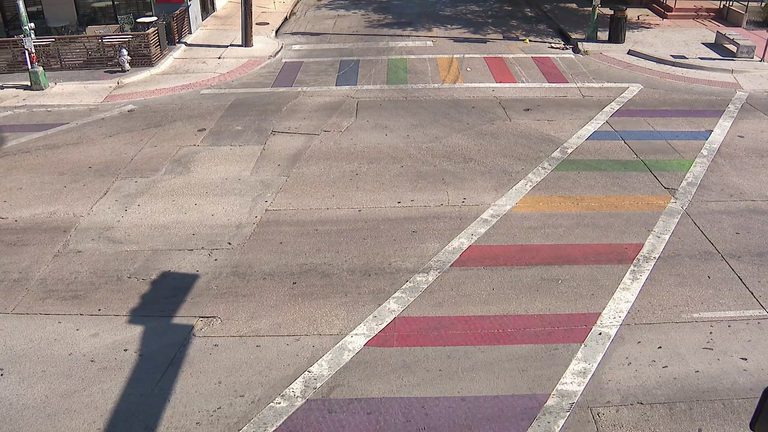
The memo lists 30 crosswalks across Dallas that feature non‑standard pavement markings:
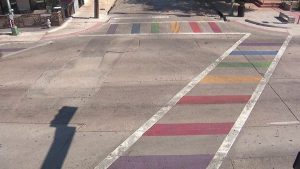
- Ten multicolored crossings along Cedar Springs Road in Oak Lawn, including the well‑known rainbow crosswalks.
- Sixteen crossings with lettering at four intersections on Al Lipscomb Way and Martin Luther King Jr. Boulevard.
- Four uniquely designed crossings at three locations on Mahon Street and at Lemmon and McKinney avenues.
All of these markings were privately funded by local businesses, community groups, and residents who view the designs as more than traffic signals—they are symbols of neighborhood pride and economic vitality.
Reason for Removal
TxDOT told the city in October 2025 that the decorative markings did not comply with state guidelines, which prohibit any symbols that could be interpreted as political statements on state‑maintained roadways. Dallas applied for an exemption to preserve the community‑designed crosswalks, but the request was denied.
Councilmember’s Argument
West argues that the crosswalks serve a public‑interest purpose beyond aesthetics. “Like many members of our LGBT community, I felt welcome the very first time I saw these rainbow crosswalks on Cedar Springs,” he wrote. “While a little bit of paint might feel insignificant to some, I believe it can have a huge impact on telling everyone they are welcome and included here in Dallas.” He also notes that the designs help local businesses attract foot traffic and reinforce a sense of safety and belonging for residents.
Community Response
Following the removal, neighborhood volunteers raised additional funds to decorate the steps outside the Oak Lawn Library, demonstrating the community’s commitment to maintaining a welcoming environment despite the state’s directive.
Next Steps
The memo does not specify whether Dallas will submit another formal request to TxDOT or rely on the incoming governor’s administration to reinterpret the policy. West’s outreach to Governor‑Elect Hinojosa’s office reflects a broader strategy of seeking state‑level support for local initiatives that promote community cohesion.
Implications for Dallas
If successful, the restoration of the decorative crosswalks could set a precedent for other Texas municipalities seeking to balance state regulations with locally driven public‑art projects. It would also underscore the importance of private‑funded, community‑initiated improvements in enhancing the visual landscape of city streets while supporting local commerce.
For now, Dallas residents await a response from the governor‑elect’s team, hopeful that the city’s request will be given serious consideration.
Original reporting: Richardson, TX News (HLL/CB) — read the source article.