Wright State University’s Boonshoft School of Medicine and Premier Health, partners in a 30-year affiliation, won a $2.5 million federal grant to expand Dayton Street Medicine, a mobile and outreach effort in Dayton, Ohio that brings medical care directly to people living outside traditional clinics. The grant will scale services, bolster student training and deepen community ties across neighborhoods dealing with homelessness and unstable housing. This article outlines how the money will be used, what patients can expect, and why the program matters for Dayton’s health system and medical education.
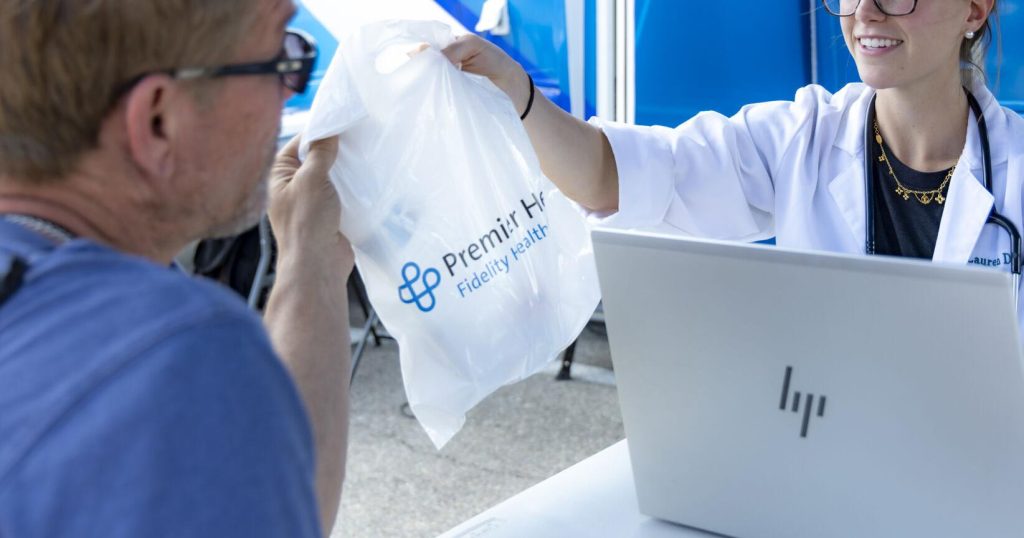
Dayton Street Medicine already operates as a low-barrier option for people who struggle to access standard clinics, and the federal boost promises faster, broader reach. Teams typically visit encampments, shelters and public spaces, setting up care right where patients are most comfortable. That approach eliminates transportation hurdles and the paperwork maze that keeps many from seeking care until problems become emergencies.
The $2.5 million grant is aimed at expanding those street-level teams, adding more outreach days and equipping mobile units with better supplies and diagnostics. Expect more consistent primary care services, wound treatment, vaccinations and screenings for chronic conditions like diabetes and hypertension. With steadier resources, the program can shift from crisis response to ongoing, preventative care that actually reduces hospital visits over time.
Beyond hands-on care, a major goal is integrating behavioral health and addiction support into the mobile model. Many patients dealing with housing instability also face substance use or mental health challenges, and treating those issues alongside physical ailments produces better results. Co-locating services helps build trust and makes follow-up possible, which is crucial when schedules and life circumstances are unpredictable.
Training is another explicit focus of the grant, and medical students from Boonshoft will get more front-line experience. Learning to deliver care in nontraditional settings sharpens diagnostic skills, cultural understanding and adaptability. That real-world exposure benefits students and strengthens the local pipeline of clinicians who know Dayton’s communities and are more likely to stay and serve them.
Premier Health’s role ties clinical capacity and hospital resources to the street medicine model, creating smoother referrals when patients need higher-level care. That connection means a patient can be stabilized on the street and then moved into an inpatient bed or specialty clinic without losing continuity. It also helps hospitals reduce readmissions by addressing root causes that often send people back through emergency doors.
Data collection and evaluation are part of the plan, too, so the expansion won’t be just more of the same but smarter and evidence-driven. Program leaders will track outcomes like care continuity, emergency department usage, vaccination rates and chronic disease control. Those metrics will guide adjustments and make a stronger case for sustained funding beyond the federal award.
Community organizations and local shelters are expected to be active partners, helping the teams find people in need and offering space when necessary for follow-up visits. Those relationships are the connective tissue that makes street medicine feasible and humane. When agencies coordinate, patients get a clearer path to housing support, food resources and social services alongside medical care.
For patients, the expanded program promises quicker access to pain relief, wound care and basic prescriptions without a long wait or complex intake forms. It also offers a bridge for people who distrust institutions or have had bad experiences with healthcare in the past. Street-level clinics respect autonomy and build rapport, which often opens doors to more consistent care down the line.
Local officials in Dayton have noted that programs like this can reduce pressure on emergency departments and improve public health outcomes. When chronic conditions are managed earlier, the whole system benefits through lower acute care costs and fewer crises. That’s a practical win for taxpayers and a humane one for people living on the margins.
Operationally, the grant will fund staffing, supplies, training stipends and some capital needs for mobile units or outreach equipment. It will also cover outreach coordination so teams can plan routes, maintain patient records and follow up reliably. The goal is to build a repeatable model that can be sustained and scaled as outcomes justify further investment.
Expanding Dayton Street Medicine is more than a funding announcement; it’s a bet on treating people where they are and on training clinicians to meet community needs. With support from Wright State’s Boonshoft School of Medicine and Premier Health, Dayton could strengthen a practical, compassionate model of care that keeps people healthier and communities safer. The work will be messy, human and necessary, and this grant gives it room to grow.