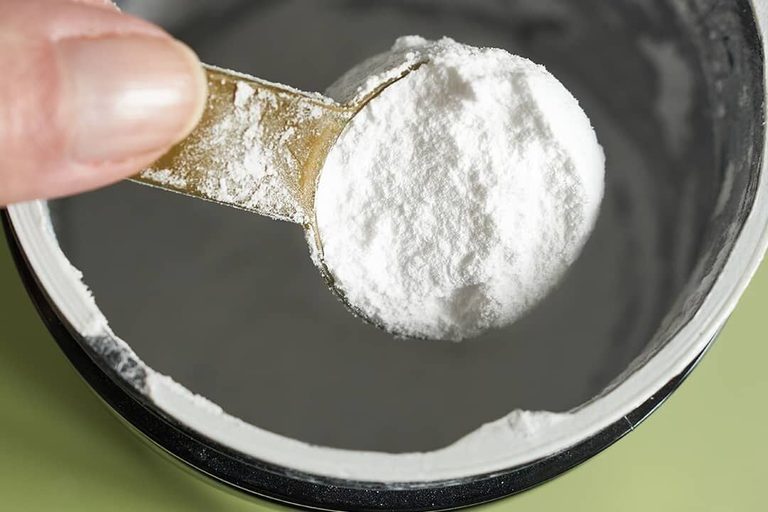
Recent analysis of U.S. Amazon marketplace data indicates that creatine, a long‑standing supplement, is experiencing its biggest growth in three decades. Sales in the creatine subcategory rose 90% over the last 12 months, reaching roughly $57.5 million per month and $721 million over the trailing year across 773 brands and 2,191 products.
Search Trends Highlight Women’s Interest
The term “creatine” now generates 620,729 searches per month, up 118,544 from a year ago. More striking is the rise of the narrower phrase “creatine for women,” which logged 174,396 monthly searches—an increase of 33,799 year over year and 37,325 in the most recent month alone. This surge reflects growing awareness among women of creatine’s potential benefits for strength training and longevity.
Premium Brands Overtake Traditional Value Players
Clinical‑oriented brands are gaining market share. Thorne, a practitioner‑channel brand, captured a larger portion of sales while spending only about 2.1% of total advertising dollars. In contrast, Optimum Nutrition, once the dominant name in creatine, lost 2.35 percentage points of market share in a single month, shedding roughly $1.39 million in monthly revenue despite holding more than half a million lifetime reviews.
Across the price spectrum, higher‑priced products are gaining ground while lower‑priced, value‑oriented items are losing share. This premiumization is unusual for a commodity supplement and suggests new customers are prioritizing brand trust and clinical positioning over price per gram.
Gummies Become a High‑Cost, High‑Demand Format
Creatine gummies, once dismissed as a fleeting trend, have rebounded strongly. Monthly searches for “creatine gummies” climbed to 260,315, and the estimated cost‑per‑click rose to $6.66, making it the most expensive click in the category—more costly than the generic “creatine” term.
Brand Create, which focuses on gummies, now holds an 8.2% share of the market, generating about $4.7 million per month in revenue at an average price of $52. The brand’s success underscores the staying power of the gummy format, even though it carries far fewer reviews than legacy products.
Marketplace Structure and Future Outlook
Third‑party sellers dominate the creatine channel, accounting for 83.2% of subcategory revenue, while Amazon’s own retail arm holds just 16.8%. Search traffic is concentrated among top products, but the gummies segment remains fragmented, with the top three products capturing only 17% of clicks.
Overall, the data points to a demographic‑driven expansion rather than a seasonal restock. Trust signals such as third‑party testing and clinical branding are outweighing sheer review volume, and price is no longer the primary competitive factor. The continued growth of women‑focused searches and premium formats suggests the creatine market will keep evolving beyond its traditional male‑centric roots.
Original reporting: KTBS 3 (Shreveport) — read the source article.