Researchers at the University of Michigan announced a new approach to flu vaccination that could someday replace the yearly shot. By engineering ordinary baker’s yeast to produce virus‑like particles (VLPs) displaying the influenza M2 protein, the team created a candidate that protected mice against several different flu strains.
Why a new method is needed
The flu kills 250,000 to 300,000 people worldwide each year and can cause up to five million severe illnesses. Current vaccines are made using an 80‑year‑old process that relies on fertilized chicken eggs. That method is slow, costly, and struggles to keep up with rapidly mutating viruses.
Targeting a more stable viral protein
Most flu vaccines focus on hemagglutinin (HA), a surface protein that mutates quickly, forcing a new vaccine formulation every season. Graduate student Trang Hoang and advisor Fei Wen chose instead to target the M2 protein, which has remained relatively conserved since the 1918 pandemic and is essential for virus replication.
Yeast‑based production
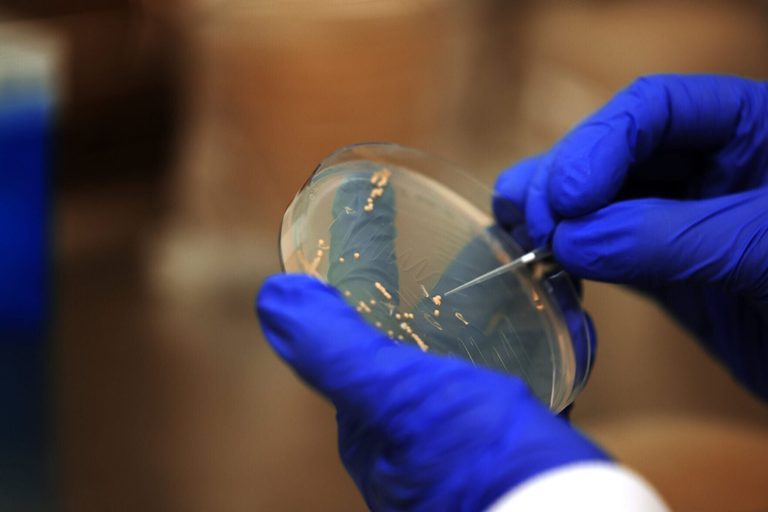
The researchers edited the yeast genome so the cells would produce large amounts of M2. After growing the yeast in a nutrient‑rich broth, they gently removed the cell wall, allowing VLPs to bud from the plasma membrane. The VLPs were then purified by centrifugation.
Promising mouse results
Eighteen mice received the purified M2 VLPs. Blood tests showed abundant antibodies against M2 from five different influenza strains. When later exposed to three separate flu viruses, all vaccinated mice were fully protected.
Next steps
While the mouse data are encouraging, the team acknowledges more work is required before human trials can begin. They plan to study how long the immunity lasts in mice and to explore formulations for people with weaker immune systems.
The technology has been licensed to a company developing yeast platforms for oral vaccines, raising the possibility that future flu shots could be brewed like a beverage rather than injected.
The findings were presented at the American Chemical Society meeting in Chicago.
Original reporting: KTBS 3 (Shreveport) — read the source article.