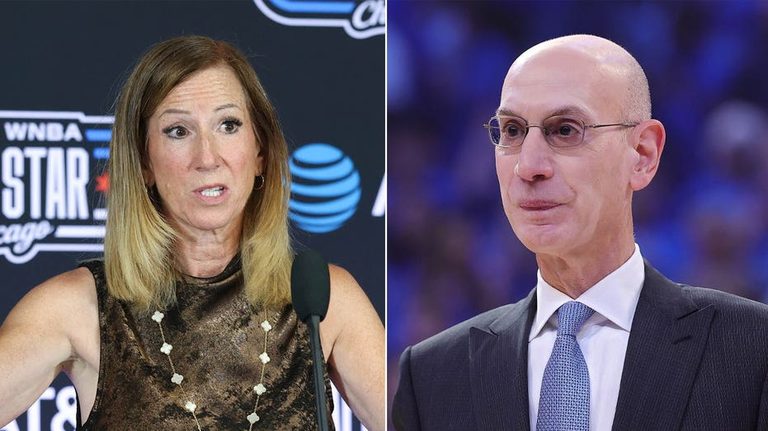
Phoenix Mercury coach Nate Tibbetts told OutKick he will leave the question of eligibility for athletes undergoing pediatric gender treatments to the league offices, echoing criticism from former NBA star Charles Barkley that WNBA Commissioner Cathy Engelbert has not provided clear guidance.
Coaches Call for Leadership
When asked if he agreed with Barkley’s assessment, Tibbetts replied, “Yeah, I’m going to leave that to the league office. That’s their job.” Both the WNBA and NBA declined to comment when OutKick sought their response, maintaining a silence that many see as a refusal to address a growing controversy.
Earlier this month, Tibbetts defended Indiana Fever coach Stephanie White after she faced backlash over the DiJonai Carrington‑Sophie Cunningham incident, describing the situation as “really p—‑s me off.” He added, “It’s disappointing. Some of the things that Steph has to go through, that’s wrong. There’s no other coach in any professional sport that has to go through the stuff that she does. It’s not fair. She’s hired to coach basketball.”
Policy Gap in the Collective Bargaining Agreement
The WNBA’s Collective Bargaining Agreement states that “only players who are women are eligible,” but it does not define who qualifies as a woman. This omission has turned eligibility into a recurring controversy, especially as former NBA players Enes Kanter Freedom and Royce White have filed draft declarations that pressure the league to protect biological women.
Engelbert has described the league as being used as a “political football,” yet her refusal to set a clear standard keeps the debate alive in public forums, arena locker rooms, and post‑game press conferences. League officials have reportedly held meetings on the issue, but no definitive policy has emerged.
NBA’s Parallel Silence
NBA Commissioner Adam Silver, who has weighed in on other WNBA controversies—such as calling the Caitlin Clark uproar a “political football” and acknowledging the need for better officiating—has also remained quiet on the pediatric gender treatments eligibility question. Critics argue that his silence allows the issue to linger without resolution, leaving coaches and players to answer questions that should be addressed by league leadership.
Silver’s selective engagement raises concerns that the NBA may be choosing which controversies merit a public response, while the most consequential policy question—who may compete—remains unanswered.
Implications for Players and Coaches
Without a clear eligibility standard, coaches are forced to navigate questions of competitive fairness and roster integrity on their own. The burden, many say, should rest with league commissioners, not the individuals tasked with winning games.
As the debate continues, stakeholders across both leagues are urging the administrations to define eligibility criteria that protect the integrity of women’s professional basketball while respecting the rights of all athletes.
Looking Ahead
Both the WNBA and NBA face increasing pressure from fans, players, and advocacy groups to clarify their stance. Until a definitive policy is announced, the conversation surrounding pediatric gender treatments eligibility is likely to remain a prominent issue in the world of professional basketball.
Original reporting: Fox News (HLL/CB) — read the source article.