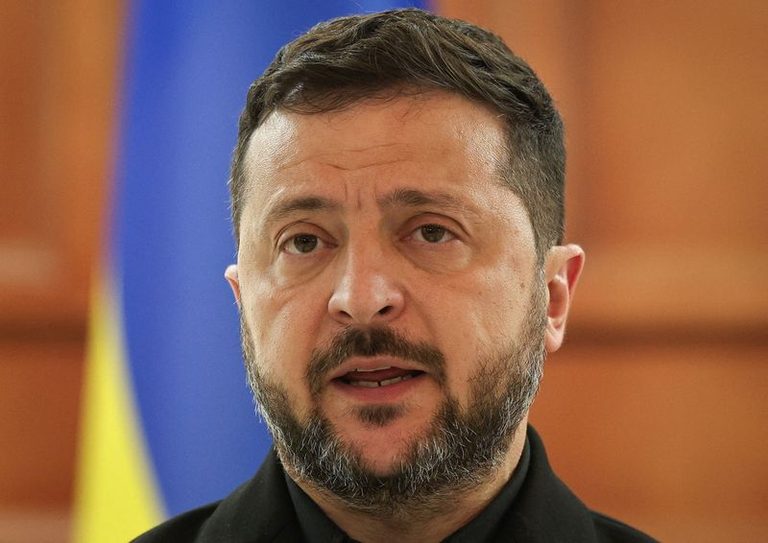
In a message posted to Telegram, Ukrainian President Volodymyr Zelenskiy thanked the United States for sharing intelligence about a series of recent meetings held in Moscow. Zelenskiy said the information came from the American side and that it helped shape the tone of Kyiv’s ongoing diplomatic conversation with Russia.
U.S. intelligence shared, Trump backs NATO security
The President Trump administration confirmed that its officials had passed the details to Kyiv, though they did not disclose who attended the Moscow gatherings. President Trump later reiterated his confidence that Russian President Vladimir Putin would not launch an attack on any NATO member, downplaying media speculation about a possible U.S. intelligence mission to Moscow.
According to a report by The Wall Street Journal, CIA Director John Ratcliffe traveled to Moscow earlier in the week. The trip, which the Kremlin dismissed as unfounded, was reportedly intended to warn Russia against any hostile action toward a NATO ally. Two Reuters sources said Ratcliffe raised the prospect of a Russian operation against a NATO member during the discussions, though it remains unclear whether that was the primary focus of his visit.
In addition to the NATO‑related warning, the talks are said to have covered Russia’s support for Iran, a concern for U.S. policymakers who view Tehran’s growing ties with Moscow as a strategic challenge.
Why the intelligence matters for Ukraine
For Ukraine, receiving timely intelligence from the United States helps the government anticipate Russian moves and adjust its diplomatic strategy. Zelenskiy’s public acknowledgment of the assistance underscores the close partnership between Kyiv and Washington, a relationship that has deepened since the start of the conflict.
“I thank them for the information and for the necessary tone of the conversation with Russia,” Zelenskiy wrote, emphasizing the importance of coordinated messaging in deterring further aggression.
Trump’s stance on Russian threats
President Trump has repeatedly stressed that a direct Russian attack on a NATO country would trigger a collective response under Article 5 of the NATO treaty. By publicly stating that Putin would not attack a NATO member, Trump aims to reassure both American allies and domestic audiences that the United States remains vigilant and ready to defend the alliance.
While media outlets have speculated about the impact of Ratcliffe’s Moscow trip, the administration’s focus remains on delivering actionable intelligence to partners like Ukraine and maintaining a firm diplomatic posture toward Russia.
Looking ahead
The sharing of intelligence signals an ongoing commitment by the Trump administration to support Ukraine’s sovereignty and to deter Russian expansionism. As the conflict continues, further coordination between Washington and Kyiv is expected, with additional diplomatic and security measures likely to follow.
Original reporting: Appleton, WI News Feed (HLL/CB) — read the source article.