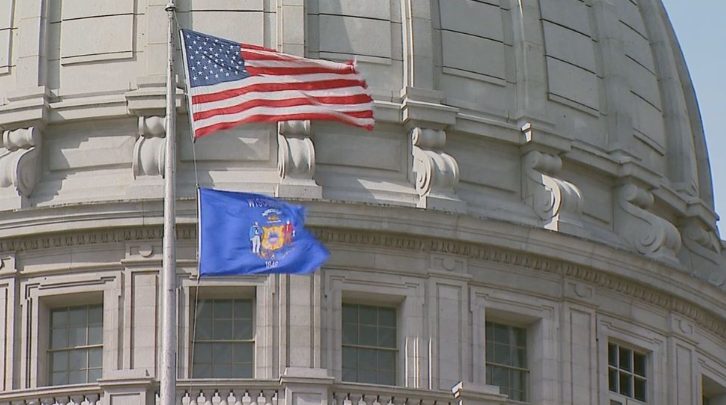
Wisconsin’s $3.3 billion budget surplus has become the focus of a spirited debate in the state Capitol as lawmakers consider how best to use the one‑time funds. A new report from Forward Analytics, a non‑partisan research organization, shows the state’s financial cushion has shrunk from $4.6 billion at the start of the fiscal year to $3.3 billion at its close, highlighting the need for prudent allocation.
Republican Rep. David Steffen urges refunds and education spending
Rep. David Steffen (R‑Howard) acknowledges the smaller buffer but remains confident that the surplus can still benefit Wisconsinites. “Remember that in the history of the state of Wisconsin, there’s only been one year in our 170 years as a state that we’ve ever collected the same or less money than the year before,” Steffen said, underscoring the rarity of a balanced budget.
Steffen argues that more than half of the surplus should be returned directly to taxpayers. “The money just sits there earning well over a million dollars a month in interest and in my opinion, that’s if there is an overpayment by the people, they should get a refund,” he explained. The remainder, he proposes, should be split between classrooms and community projects, providing immediate relief to families and local services.
Democratic Sen. Jamie Wall calls for cautious, long‑term use
Sen. Jamie Wall (D‑Green Bay) agrees the surplus is a one‑time windfall and warns against treating it as a recurring revenue source. “That $3 billion state surplus can go away very quickly and there’s certainly no guarantee we’ll see a similar surplus again,” said UW‑Madison emeritus professor of applied economics Andrew Reschovsky, who was cited in the report.
Wall stresses the importance of using the funds conservatively, noting that the state is already planning to spend more than it takes in over the next few years. “We’re already planning on spending more than we’re taking in as a state over the next couple of years and so that balance in the checkbook is just gonna decrease naturally,” he said.
While opposing one‑time rebate checks, Wall advocates directing more money toward property‑tax relief and public schools. “And then we should look for some one‑time spending or you know or tax cuts,” he added, emphasizing the need for targeted, lasting benefits rather than short‑term handouts.
Balancing immediate relief with future stability
The Forward Analytics analysis warns that the surplus is not a permanent fixture and should not fund recurring expenses. Both lawmakers echo this caution, though they differ on the best path forward. Steffen’s focus on refunds and classroom funding reflects a desire to put money directly into the hands of families, while Wall’s emphasis on school‑tax relief and prudent budgeting highlights a longer‑term fiscal responsibility.
As the Legislature prepares the next state budget, the debate over the surplus will shape decisions on tax policy, education funding, and community investments. Lawmakers will need to balance the immediate desire for taxpayer refunds with the reality of a shrinking financial cushion and uncertain future revenues.
What’s next for the surplus?
The state’s budget committee is expected to hold further hearings in the coming weeks, where additional stakeholders—including local government officials, business leaders, and advocacy groups—will weigh in on how the surplus should be allocated. The outcome will have direct implications for Wisconsin families, schools, and the broader economy as the state navigates a tighter fiscal landscape.
Original reporting: Appleton, WI News Feed (HLL/CB) — read the source article.