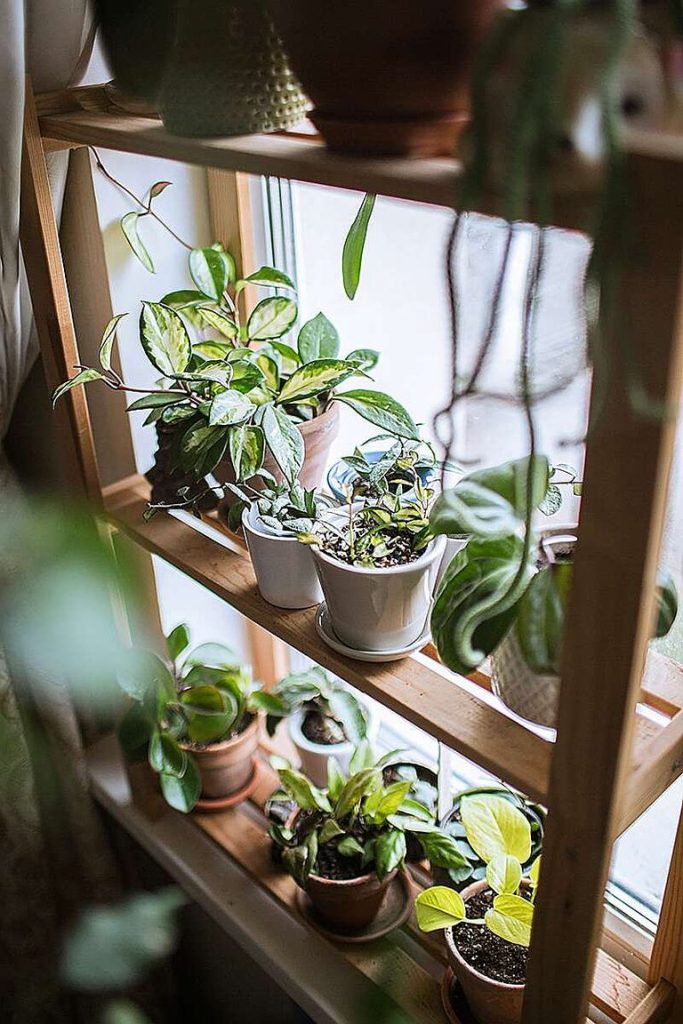
Winter can be tough on indoor gardens, even in Texas, where outdoor plants stay protected from frost but indoor foliage still faces lower light, dry air, drafts and temperature swings. By making a few key adjustments, you can keep your houseplants healthy until spring returns.
Light
Shorter days mean plants receive five to six fewer hours of light, and the sun’s lower angle provides weaker, more dispersed energy. Plant consultant Christopher Satch, who teaches at the New York Botanical Garden, says insufficient light is the most common mistake.
“Light determines just about everything,” Satch explains. It fuels photosynthesis, influences heat, growth direction, leaf production and even pest placement.
For low‑ to medium‑light varieties such as ZZ plants, pothos, snake plants, peace lilies and Chinese evergreens, aim for two to three hours of direct sun daily or place them near a north‑facing window for indirect light. Larger specimens, like indoor trees or bushes, need more direct sun. Watch for leggy growth, leaf drop, leaning stems or loss of variegation as signs of insufficient light.
Succulents (jade, aloe vera, echeveria) may require supplemental lighting; a grow bulb positioned 12‑18 inches above the plant works well, but follow usage guidelines to avoid burning. Christmas cactus prefers bright indirect light and can scorch if exposed to too much direct sun.
Humidity
Home heating dries indoor air, which can stress plants that prefer higher moisture. While pothos, peace lilies and snake plants tolerate lower humidity, fiddle‑leaf figs and crotons need at least 40 % humidity. Calatheas, including prayer, rattlesnake and peacock varieties, show crispy brown tips when the air is too dry, and Boston or maidenhair ferns brown at the edges before dropping leaves.
“Those are the most common houseplants that will benefit from a humidifier,” says Emily O’Gwin, living collections gardener at the U.S. Botanic Garden. She adds that a light mist or a tray of water with pebbles can raise humidity for sensitive plants.
Temperature
Older homes with single‑pane windows often let cold drafts in, which can damage tropical houseplants. Leaves that touch cold glass may droop or curl. “Most tropical houseplants aren’t looking for cold drafts,” Satch notes. Cacti and succulents also prefer warm, stable temperatures.
Keep plants at least three feet away from radiators or forced‑air vents. In homes running 70 °F or higher, increase watering to offset the dry heat. Conversely, if you maintain a cooler indoor temperature (around 68 °F or lower), reduce watering to prevent soggy roots, especially for moisture‑loving species like monstera and philodendron.
Watering and Fertilizing
The simplest rule: water only when the soil feels dry to the touch. Soil drying rates vary with light and temperature; plants near radiators may need water every three to four days, while those in cooler spots may go a week.
“The only way plants can really communicate is by changing color or wilting,” O’Gwin says. Yellowing leaves on a pothos often signal over‑watering, while fungus gnats indicate excess moisture.
Most houseplants slow growth in winter and do not require fertilizer. Over‑fertilizing can force new growth that lacks sufficient light, leading to weak stems. A crusty white, green or pink layer on the soil surface is a sign of too much fertilizer.
Where to Get Help
If you encounter a problem you can’t solve, local university extension services—such as the University of Maryland Extension—and botanic garden helplines offer free plant‑care advice.
Karen Hugg, an ornamental horticulturalist and author of Leaf Your Troubles Behind, reminds readers that healthy indoor plants not only brighten homes but also provide a calming, faith‑affirming presence during the winter months.
Original reporting: Texarkana Gazette — read the source article.