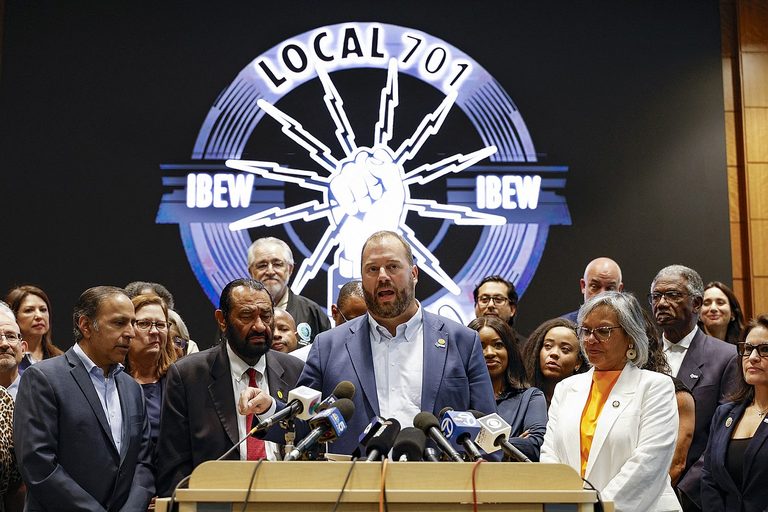
After sweeping victories in the 2026 midterm elections, Texas Democrats are moving quickly to reshape the state’s voting system. In Austin, Rep. John Bucy, the top Democrat on the House elections committee, introduced a slate of bills that would allow online voter registration, broaden mail‑in voting and add more forms of acceptable identification.
Proposed changes
Bucy’s online‑registration bill would let any qualified Texan sign up through a secure website, rather than limiting the service to transactions tied to a driver’s license or state ID. “It’s a win‑win for everybody,” Bucy said. “It modernizes our system, improves data accuracy and enhances accountability in the election process.”
Other measures would let voters register at polling places, expand the list of IDs accepted at the polls and give every eligible voter the option to vote by mail. Rep. Mihaela Plesa of Plano has added a provision to extend mail voting to pregnant Texans in their second or third trimester on Election Day.
Republican response
Republicans retain a 19‑12 majority in the Texas Senate and have signaled a different approach. Senate leaders are pushing for proof of U.S. citizenship to register, limiting acceptable IDs to government‑issued photo identification and restricting mail voting to disabled voters, military personnel and those out of state.
Sen. Bryan Hughes, chair of the Senate State Affairs Committee, said he is “open‑minded” about discussing some proposals, but he has not committed to any changes. The Senate’s stance reflects a long‑standing belief that tighter rules are needed to guard against voter fraud, a concern voiced by many GOP lawmakers.
Turnout context
Even with the Democratic surge, Texas lagged behind most states in voter participation. About 52% of registered Texans cast ballots in the midterms, the highest turnout for a midterm since 2018 but still below the 60%+ rates seen in at least a dozen other states. Experts, including Barry Burden of the University of Wisconsin‑Madison, note that allowing registration closer to Election Day can boost turnout, especially among first‑time voters.
Texas currently requires registration at least 30 days before an election, whereas several states permit same‑day registration. Democrats argue that easing these rules will close the participation gap, while Republicans warn that loosening standards could open the door to fraud.
Legislative outlook
Democrats control the Texas House with an 83‑67 majority and hold the governor’s office and lieutenant governor’s seat. However, the Senate’s Republican majority means many of the proposed reforms will face a tough road. Bucy points to past bipartisan successes, such as the creation of an online mail‑ballot tracker and expanded opportunities for voters to correct mail‑ballot mistakes.
The Legislature is set to convene on Jan. 12 for a 140‑day regular session, running through May 31. As the session approaches, both parties are positioning themselves for a contentious debate over how Texans should vote in future elections.
Original reporting: Texarkana Gazette — read the source article.