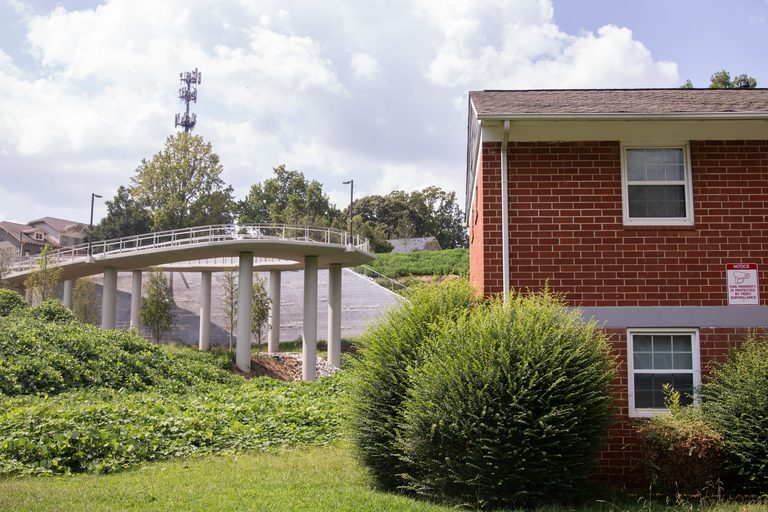
Wingate Companies, a national real‑estate firm that specializes in affordable housing, announced that it has secured significant public financing to start Phase 1 of its redevelopment of the Trestletree Village Section 8 community in Atlanta’s Grant Park/Ormewood Park area.
City backing and financing
At a September 17 meeting, Invest Atlanta approved a $26 million tax‑exempt bond and a $2 million Beltline Tax Allocation District grant for the project. The funds will support the creation of 208 new units at a range of price points, including a modest number of market‑rate homes.
Community outreach and a new Letter of Understanding
Wingate’s senior vice president, John Tatum, described a seven‑month public‑engagement process that involved roughly 30 meetings with residents. The dialogue produced a five‑page Letter of Understanding (LOU) that outlines commitments on parking, safety, preserved affordability and good‑faith engagement throughout the redevelopment.
During a September 16 site tour, Tatum walked the property with residents, even renting a nearby unit to better understand daily life in the neighborhood.
Project scope and timeline
The existing 188‑unit complex, originally built as army barracks in the 1940s‑1950s and last renovated in 2014, has reached the end of its useful life. Rather than another renovation, Wingable plans to demolish the aging structures and construct new buildings.
Phase 1 will add 20 units to the current footprint, bringing the total to 208 units. Wingate projects a final capacity of about 800 units when the entire development is complete. Residents are slated to be temporarily relocated by the end of 2027, with demolition beginning thereafter. The first new building is targeted for completion in 2029, at which point displaced families can return.
Regulatory hurdles and next steps
While the Invest Atlanta financing clears one hurdle, Wingable still awaits federal low‑income housing tax credits. An application was submitted on September 25; approval will determine whether demolition can proceed as scheduled.
Additional challenges include clearing trees, removing a berm that separates the complex from the Beltline trail, creating new access points and adding community amenities. The LOU’s detailed list of agreements will guide the company as it addresses these issues.
Local reaction
Initial opposition from some neighbors centered on concerns about increased density and the preservation of low‑income housing designations. However, the extensive outreach and the city’s financial support have helped to build a measure of local consensus.
“We’re willing to take on these kinds of hairy projects,” Tatum said, acknowledging past missteps while emphasizing the team’s commitment to a transparent, community‑focused process.
Looking ahead
Wingable believes the redevelopment will unlock long‑term value in what it calls a “high‑opportunity neighborhood.” While the full vision remains years away, the secured funding and resident‑led agreements mark a concrete step forward for the Trestletree Village project.
Original reporting: SaportaReport — read the source article.