The Windham Water Commission voted Thursday to permanently close Park Spring, the free drinking‑water source that has been a neighborhood staple for decades. The spring, located at Alex Caisse Park just off Route 195 in Willimantic, will remain sealed behind a concrete cinder block and lock.
Why the shutdown?
Water‑works officials say testing over the past three years showed a rise in positive bacteria results far above what is acceptable for a public water source. Repeated clean‑ups and temporary closures proved insufficient, and the commission concluded that without costly upgrades and additional testing the spring could no longer be deemed safe for residents.
Community reaction
Longtime users expressed both confusion and disappointment. “Stays clear and clean. So, it’s very clean. I love it. I just drink tons of it,” said Margo Leach of Mansfield, who has filled large jugs from the spring for years. Gene Ward of North Windham added, “It just seemed very healthy. It’s just very good. It’s very clean and clear.”
When asked about the closure, Ward noted, “I was like, ‘What’s going on?’ They usually have it running and then we knew something was wrong.” Others, like Alex Fisher of Willimantic, wondered whether the health concerns were fully justified, saying, “If in actuality it’s being a concern, I understand why they’re shutting it down but I’m wondering if that’s the truth. I don’t know.”
Officials’ stance
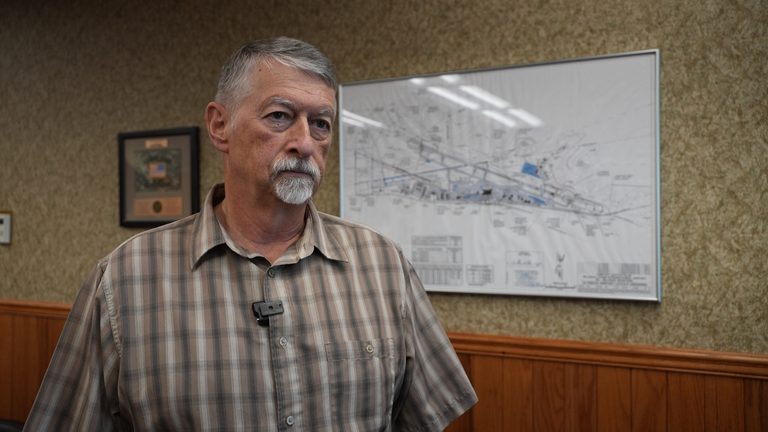
Windham Water Works explained that the spring could no longer be considered a reliable source of safe drinking water without significant improvements that would increase costs for ratepayers. The water superintendent confirmed the shutdown is permanent, even though a blue sign at the site still reads “temporary closure” and is being revised.
Balancing cost and safety
While the loss of free water is a financial blow for many—”It’s clean fresh water that’s free. We’re not buying bottled water,” Leach said—officials emphasized that protecting public health must come first. “If it’s for our health, then I think if it has to be done, it has to be done. It’s something we’re just going to have to adjust to,” Ward added.
What’s next?
The commission has not announced any alternative free‑water initiatives, but the decision underscores the growing challenge of maintaining aging public‑utility assets in small towns. Residents who relied on the spring will need to turn to municipal tap water or purchase bottled water, a shift that may strain household budgets.
For now, the concrete block remains in place, a reminder that even cherished local traditions must sometimes yield to modern health standards.
Original reporting: NBC Connecticut — read the source article.