Over the past week, high‑profile technology problems—from airline reservation glitches to banking service interruptions and outages at major platforms such as Microsoft and Workday—have rippled across the United States. In Billings, the incidents have sparked concern among city leaders and health‑care officials about the community’s growing dependence on computer technology.
Local leaders explain the impact
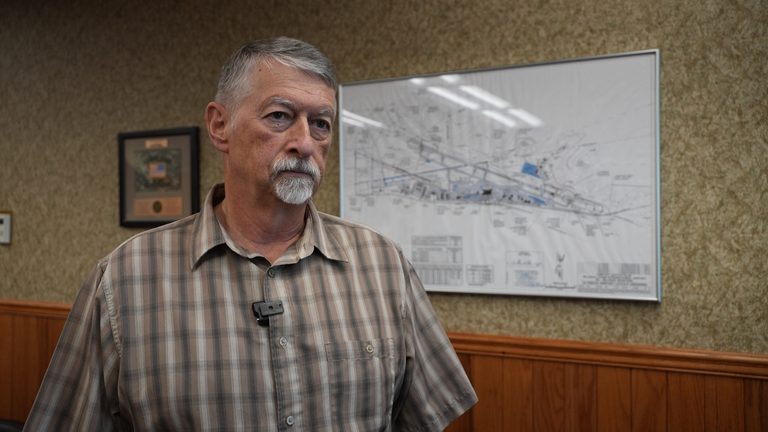
Jeff Roach, Director of Aviation and Transit at Billings Logan International Airport, noted that while the airport does not feel the effects immediately, passengers eventually experience delays when nationwide systems falter. “Typically we don’t see the impact here for a few hours,” Roach said, emphasizing the interconnected nature of modern air travel.
Justin Ott, Chief Information Officer for One Sky Health (formerly Billings Clinic), echoed the sentiment for the health sector. Ott warned that technology failures are inevitable and that hospitals must plan for them. “If a technology goes down, because I’ll tell you, it will go down. It’s not if it’s going to go down. It’s when it’s going to go down,” he said. Ott added that the priority is not merely restoring computers but ensuring patients continue to receive care.
Academic perspective on reliance
Brock Lameres, professor of electrical and computer engineering at Montana State University, said there is currently no evidence of a coordinated cyberattack behind the recent disruptions. “There’s no evidence at this moment that it is a cyber attack,” Lameres explained. “It could be a series of coincidences that just all are happening at once.” He stressed that the string of failures illustrates a broader societal trend: an “enormous reliance on computer technology.”
According to Lameres, the modern habit of using computer chips every second of the day means a problem in one location can affect users hundreds or thousands of miles away. “When one fails, it has kind of a trickle‑down effect and it influences a whole bunch of other computer chips,” he said.
Calls for resilience and cybersecurity
Lameres urged local businesses, hospitals and government agencies to design systems that can withstand inevitable failures. He highlighted the importance of backup infrastructure and built‑in cybersecurity. “We need to make them fail‑safe and have backups, and we need to actually put cybersecurity designed into all of our systems,” he said.
While the recent outages have not directly halted Billings’ own services, the examples serve as a reminder that the city must remain vigilant. Both the airport and One Sky Health are reviewing contingency plans to ensure continuity of operations should a similar disruption occur locally.
What residents can do
Experts recommend that Billings residents keep personal backups of important documents, maintain alternative communication methods, and stay informed about local emergency alerts. By preparing for the possibility of technology downtime, families can reduce inconvenience and protect essential services.
As the nation continues to grapple with the growing complexity of digital infrastructure, Billings’ leaders say the focus should remain on building resilient, secure systems that safeguard both travel and health care for the community.
Original reporting: KTVQ Q2 Billings (local) — read the source article.