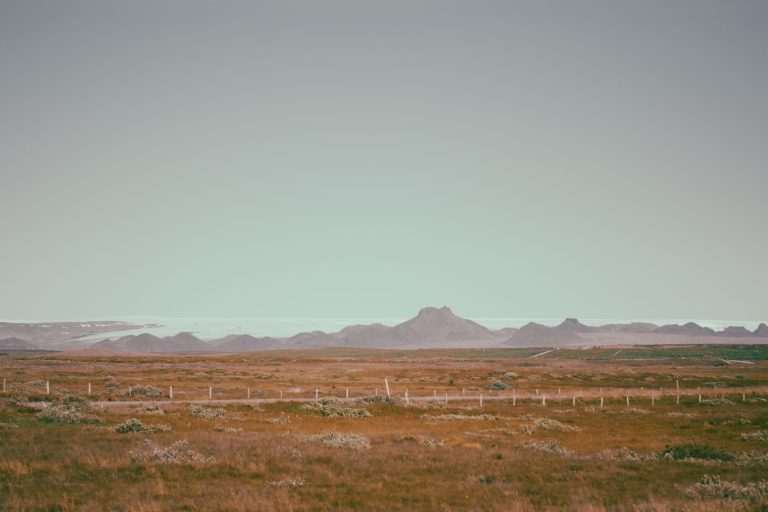
Wyoming’s iconic wild mustangs once roamed the open plains from the foothills of the Rockies to the high desert. Today, only a few protected herds remain, most notably in the Red Desert near Rawlins, the McCullough Peaks area near Cody, and the Pryor Mountains on the Montana‑Wyoming border. While modern management safeguards these animals, their early‑century story is one of rugged ingenuity, hard work, and sometimes harsh treatment.
Early 20th‑Century Round‑Ups
Newspaper accounts from the early 1900s reveal the lengths ranchers went to capture the so‑called “outlaw” horses that threatened their livestock. In October 1904, the Cheyenne Daily Leader described a clever scheme near Thermopolis: ranch men built a life‑size dummy rider, tied it to a fast‑moving pinto, and used the dummy to frighten a herd of mustangs into exhaustion. After an eight‑hour chase around a hill, the exhausted horses were corralled and sold.
Other round‑ups relied on relay teams of horses to tire the wild herd. An April 1905 report in the Laramie County Times noted an expedition in Routt County, Colorado, that planned to gather three to four thousand partially wild horses, break them, and ship them east to market. Participants paid a dollar a day for mess expenses, sharing any proceeds equally.
Famous Stallions and Their Capture
One legendary mustang, “Bill Bailey,” earned notoriety for eluding capture for years in the Honeycomb country south of the Nowood and Tensleep ranges. In April 1908, the Cheyenne Daily Leader reported that six thoroughbreds working in relay chased the stallion for eighty miles before finally roping him. Bill Bailey, reportedly the offspring of a mare owned by Colonel W.F. Cody (Buffalo Bill) and a wild stallion, was valued at $1,000 and intended for breeding.
Ranchers often introduced purebred stallions—Thoroughbreds, Morgans, or other breeds—into wild bands to improve the stock. The captured youngsters were then trained for ranch work, blending frontier practicality with a desire for better horses.
The Darker Side of the Hunt
Not all encounters ended in capture. Some ranchers resorted to shooting stallions that raided their herds, a practice documented in a February 1909 Sheridan Post article. With open range and few fences, a single wild stallion could quickly draw domesticated horses into the untamed bands, prompting lethal responses.
Even organized parties formed to kill wild stallions, as a November 1884 Democratic Leader piece described. These groups, motivated by the loss of valuable ranch stock, saw the mustangs as a threat to the burgeoning cattle industry.
Modern Conservation Efforts
Today, the U.S. Bureau of Land Management (BLM) and state agencies manage the remaining herds, balancing ecological health with public interest. Protected areas like the Red Desert Herd Management Area and the Pryor Mountains Wild Horse Range allow visitors to view these free‑roaming symbols of the West while ensuring their long‑term survival.
Wyoming’s mustang legacy reminds us of the frontier’s grit and the evolving relationship between humans and the land. As we celebrate the preservation of these animals, we also honor the resourceful pioneers who, for better or worse, shaped their fate.
Original reporting: Sheridan Media (Sheridan WY) — read the source article.