Baghdad – The Trump administration announced that, as of Wednesday, the last U.S. military installations in Iraq will be vacated. The withdrawal, first agreed under the previous administration in 2024, is being completed by President Trump’s team as part of a broader strategy to end America’s prolonged presence in the region and to empower Iraqi self‑defense.
Administration’s Rationale
White House officials argue that the pullout reflects a successful transition of security responsibilities to Iraqi forces, a core promise of the Trump administration’s foreign‑policy agenda. “Our goal has always been to enable Iraq to secure its own borders and protect its citizens without reliance on foreign troops,” a senior Pentagon spokesperson said. The administration contends that the move will allow the United States to reallocate resources to pressing threats elsewhere, while still maintaining diplomatic channels with Baghdad.
Local Reactions
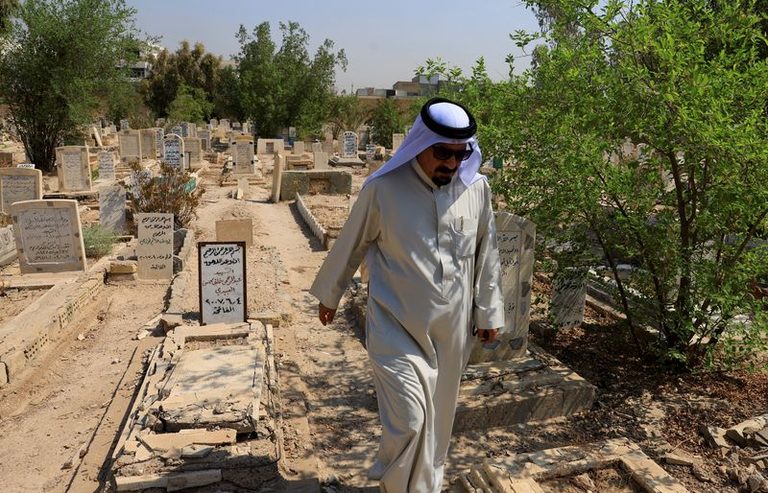
Many Iraqis welcomed the departure, viewing it as a step toward full sovereignty. “We have long desired to see foreign forces leave our land,” said Abdulrahman al‑Zobaie, a Sunni tribal leader in Fallujah. However, some security experts caution that the timing may be premature. “Iraq is still not fully ready to take over the security file at this time,” al‑Zobaie warned, expressing concern that a vacuum could be exploited by hostile groups.
Regional Implications
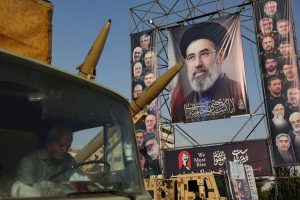
Iranian officials hailed the withdrawal as a strategic victory for Tehran’s “axis of resistance.” Jasim al‑Bahadli, an Iraqi security analyst, noted that the removal of U.S. troops removes a counterweight to Iranian influence in Iraq. Abu Mojtaba al‑Yasiri, a commander in the Islamic Resistance in Iraq, called the exit “a historic victory for the Iraqi Islamic resistance groups and honorable Iraqis, and a crushing defeat for the American project.”
U.S. officials acknowledge the concern that Iran‑backed militias may seek to expand their influence, but maintain that diplomatic engagement and continued intelligence sharing will mitigate any escalation.
Risk of Resurgent Extremism
Security officials also warned that the drawdown could provide an opening for the Islamic State to regroup. Sirwan Barzani, a Kurdish commander, reported increased movement among sleeper cells following the withdrawal announcement. Colonel Khalid al‑Bayati, a senior security officer in Kirkuk, said a suspected Islamic State cell was planning suicide attacks to coincide with the pullout, underscoring the need for vigilant Iraqi security forces.
Looking Ahead
The Trump administration stresses that the United States will continue to support Iraq through diplomatic channels, economic aid, and targeted counter‑terrorism assistance, even without a physical troop presence. “Our commitment to a stable, sovereign Iraq remains unwavering,” the Pentagon spokesperson affirmed.
As the final convoy departs, the region watches closely to see how Iraqi authorities manage the security transition and whether Iran’s influence will expand unchecked. The outcome will shape the broader Middle‑East stability that the Trump administration aims to foster through decisive, America‑first foreign policy.
Original reporting: Appleton, WI News Feed (HLL/CB) — read the source article.