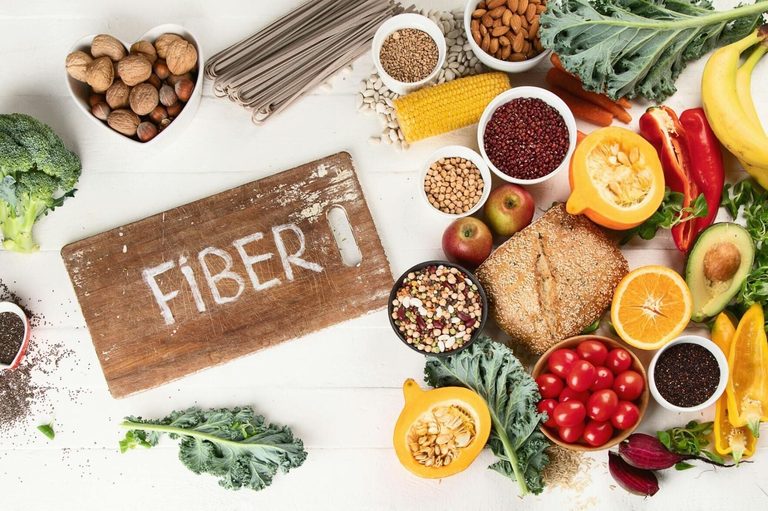
Americans are missing a crucial component of a healthy diet: fiber. National data show that only about four percent of adults meet the recommended daily intake—25 grams for women and 38 grams for men—while the average consumption hovers around 16 grams.
Health benefits backed by research
Studies consistently link higher fiber consumption to lower rates of cardiovascular disease, colorectal cancer, and even improved arthritis symptoms. Fiber also helps regulate blood sugar, lower cholesterol, and support healthy blood pressure.
What counts as fiber?
Fiber is the portion of carbohydrates that the body cannot digest. Whole foods rich in fiber include raspberries, avocados, oats, whole‑grain breads, lentils, and other legumes. Supplements such as psyllium husk (sold under brands like Metamucil) and isolated fibers like inulin are also available, often added to snack bars, low‑carb products, and even some sodas.
Different types, different benefits
Not all fiber works the same way. Psyllium is a viscous fiber that forms a gel in water, promoting a feeling of fullness, modest weight loss, and better cholesterol levels. Fermented fibers, such as inulin extracted from chicory root or Jerusalem artichokes, are broken down by gut bacteria, producing compounds that can reduce inflammation.
Fiber versus probiotics
Probiotics are live microbes found in fermented foods like sauerkraut, yogurt, and kimchi. While they add beneficial bacteria to the gut, fiber provides the material those bacteria need to thrive. A 2021 study of 36 healthy adults showed that a high‑fiber diet boosted the gut microbes’ ability to produce fiber‑breaking enzymes, whereas a diet high in fermented foods increased overall bacterial diversity and lowered inflammation.
Practical ways to increase intake
Barriers such as cost, availability, and digestive comfort often deter people from eating enough fiber. Berries and other fresh produce can be pricey, and highly fermentable fibers like inulin may cause bloating for those unaccustomed to them. Experts recommend increasing fiber gradually, staying well‑hydrated, and mixing a variety of sources to find what works best for each individual.
Some people can meet the daily goal through whole foods alone; others may need supplements or fortified products. The key is to avoid a one‑size‑fits‑all approach and to listen to one’s body while making steady adjustments.
What’s needed next?
Although observational studies point to strong links between fiber and reduced disease risk, large, definitive clinical trials are still lacking. Funding constraints have limited the scale of such research, leaving gaps in official dietary guidelines. Nonetheless, the existing evidence is sufficient for health professionals to encourage higher fiber consumption and for policymakers to consider ways to make fiber‑rich foods more affordable and accessible.
For families seeking to improve their nutrition, start by adding a serving of fruit, vegetable, or whole grain each day, and consider a modest supplement if dietary changes are challenging. Over time, the cumulative benefits to heart health, gut health, and overall well‑being can be substantial.
Original reporting: KTBS 3 (Shreveport) — read the source article.