The World Health Organization’s latest move has thrust Ebola back into global headlines, with Tedros Adhanom Ghebreyesus declaring the outbreak a public health emergency that crosses borders. This development focuses on situation reports coming out of the Democratic Republic of Congo and Uganda, where health systems are scrambling to contain new chains of transmission. The piece looks at what a PHEIC designation means on the ground, how countries and aid groups respond, and the practical gaps that still need closing.
“WHO Director-General declared the Ebola disease outbreak in Congo and Uganda a public health emergency of international concern.” That statement now drives resource shifts, diplomatic coordination, and heightened surveillance across affected regions. The phrase public health emergency of international concern is designed to mobilize funding, vaccine supplies, and expertise quickly when an outbreak threatens to spread beyond borders.
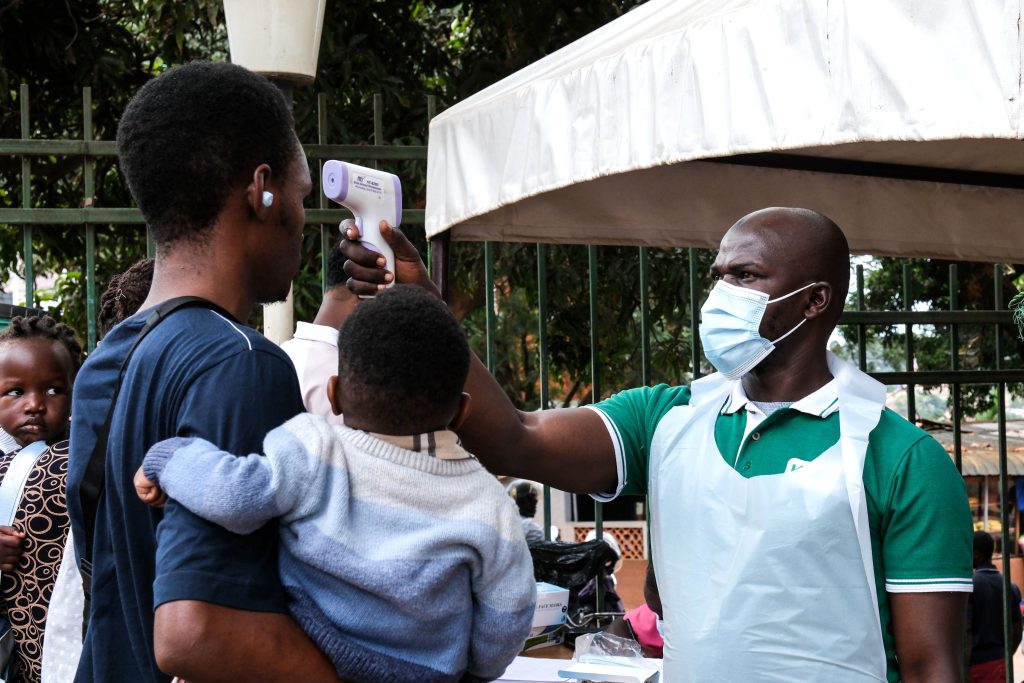
In Kinshasa and Kampala, local clinics are seeing both the strain of increased patient loads and the logistical headaches of delivering vaccines and protective equipment. Hospitals already stretched thin by other infectious diseases are being asked to step into isolation and contact-tracing roles overnight. Community health workers are becoming frontline communicators, trying to build trust where fear and misinformation spread faster than facts.
Vaccination is a central tool in the current response, but getting doses to remote towns and conflict-affected areas is a fight against terrain and insecurity. Cold chain logistics and trained vaccinators are limited, which slows ring vaccination efforts around confirmed cases. International partners are pledging support, but pledges must turn into trucks, planes, and boots on the ground to make a difference.
Cross-border movement between the Democratic Republic of Congo and Uganda complicates containment, particularly in regions where borders are porous and commerce never stopped. Truck drivers, traders, and displaced families can unintentionally carry the virus between communities before symptoms are recognized. That mobility forces national and regional health authorities to coordinate screening and harmonize reporting standards fast.
Surveillance gaps remain a stubborn problem: not every fever gets tested, and not every death is investigated. Lab capacity has been ramped up in some provincial centers, but turnaround times for results still lag in more remote districts. Faster diagnostics and reliable data flows are essential to breaking transmission chains before they expand.
Local engagement and culturally informed messaging matter as much as clinical tools, because fear can push people away from treatment centers. Successful responses in past outbreaks show that when local leaders and health teams work together, vaccination acceptance and safe burial practices improve. International teams must support those local networks rather than override them with top-down directives.
Funding and personnel surges triggered by a PHEIC can flood the response with resources, but they can also create coordination headaches if they arrive without clear priorities. A unified incident-management approach helps align donors, governments, and NGOs so that vaccines, contact tracers, and lab kits go where they are most needed. Without that discipline, well-intentioned aid can end up duplicating efforts or missing hotspots entirely.
There are technical advances worth noting: newer Ebola vaccines and therapeutics improve the odds of protecting exposed contacts and treating patients. Still, approval, deployment, and community acceptance are separate hurdles that require time and careful outreach. Clinical progress gives responders tools, but logistics and trust determine whether those tools actually reach people at risk.
The global public-health community is watching how neighboring countries respond, because lessons learned now can shape readiness elsewhere. Preparedness plans—stockpiles, training, and rapid-response teams—are being tested in real time, and weaknesses will be exposed. That pressure can be useful: it forces investments in systems that will pay off for other infectious threats too.
At the individual level, simple public-health behaviors still matter: early reporting of symptoms, cooperation with contact tracers, and safe care-seeking. Authorities are urging vigilance without panic and promoting measures that limit spread while preserving essential services. For communities in Congo and Uganda, the next weeks will determine whether the outbreak can be driven down or whether broader disruptions lie ahead.