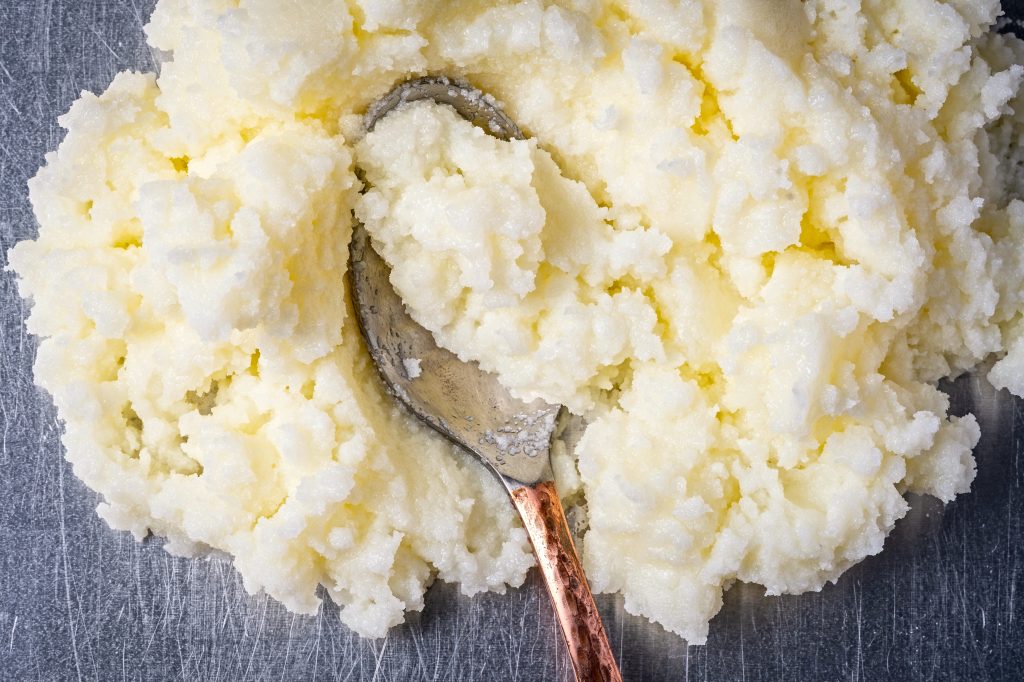
Beef tallow has surged back into kitchens and restaurant fryers, and cardiologists are sounding the alarm in a new Journal of the American College of Cardiology review. Experts including Dr. Clyde Yancy of Northwestern University and Dr. Dariush Mozaffarian of Tufts weigh in, and national groups like the American Heart Association offer clear limits on saturated fat. This piece breaks down what the evidence says about beef tallow, LDL cholesterol, and practical swaps for everyday cooking.
Rendered beef fat, commonly called beef tallow, has practical appeal: it tolerates high heat and gives fries and pastries a rich texture. Chefs and some home cooks praise its flavor and stability, and it appears in discussions about the Dietary Guidelines for Americans. But culinary perks do not automatically equal a clean bill of health, and that’s where the debate heats up.
A panel of cardiologists reviewed current evidence in “A Clinician’s Guide for Trending Cardiovascular Nutritional Controversies in 2026” and found little to back health claims for beef tallow. The authors were blunt that data showing any health benefits of beef tallow “is lacking.” Their review sits alongside an accompanying editorial that highlights risks tied to LDL cholesterol.
One core concern is saturated fat content: beef tallow is roughly half saturated fat, the kind that tends to be solid at room temperature. Saturated fats are known to raise LDL cholesterol, the sort of cholesterol that can accumulate in arteries and restrict blood flow. Clinicians worry that swapping seed or plant oils for large amounts of tallow could shift a diet toward more atherogenic profiles.
Research cited by the cardiologists points to measurable effects after meals rich in beef tallow, with LDL levels rising in the hours that follow. One older intervention found LDL increased by about 9% after a high-fat meal containing beef tallow, a signal researchers interpret as clinically relevant. These short-term shifts matter because repeated spikes and sustained higher LDL over years contribute to plaque buildup.
“Collectively, no evidence supports using beef tallow as a healthier alternative to seed oils or other plant-based oils that are solid at room temperature” is how the cardiology panel summarized their position. That sentence lands heavy because it directly compares tallow to other fats that are often marketed as equivalent substitutes. Consumers hearing that line should understand it reflects a consensus view among the reviewers.
Cardiologists also point to broader, consistent guidance on saturated fat limits from national bodies like the American Heart Association. The AHA recommends keeping saturated fat low—no more than about 13 grams a day for most people—roughly the amount contained in a single tablespoon of beef tallow. Staying within that window means tallow has very limited room in an eating pattern aimed at heart health.
Dr. Clyde Yancy has put the stakes plainly: “If you obstruct blood flow to a heart, you have a heart attack. If you obstruct blood flow to the brain, you have a stroke,” an explanation clinicians use to stress why managing LDL matters. That framing connects the numbers on a lab report to the real-world outcomes doctors try to prevent, and it explains why nutrition guidance often errs on the side of caution.
That caution doesn’t deny animal fats contain nutrients or that small amounts can fit into varied diets. Nutrition experts note animal fats carry fat-soluble vitamins and can be preferable to ultraprocessed, high-sugar or high-starch foods. Still, observational studies and clinical trials link diets high in animal-based saturated fats with higher cardiovascular and overall mortality in some cohorts.
On the flip side, seed and plant oils—canola, soybean, sunflower, and olive oil—are associated with cardiometabolic benefits in multiple studies and do not show evidence of promoting inflammation in human trials. Olive oil in particular is widely regarded as a go-to everyday oil because of its favorable profile of monounsaturated fats and documented benefits in large dietary studies. Experts recommend these oils as the primary fats for cooking and dressings.
Dr. Dariush Mozaffarian captures the middle ground when he explains that beef tallow is “probably healthier than ultraprocessed foods high in starch, sugar and salt — but it’s less healthy than olive oil, soybean oil, canola oil or fats from nuts or avocados.” That perspective helps people prioritize swaps: replace ultraprocessed options first, then choose plant-based fats over saturated animal fats.
For cooks who enjoy tallow’s flavor, moderation and context matter. Use it occasionally for specific dishes rather than as a daily frying oil, and balance meals with vegetables, whole grains, and sources of unsaturated fats. Simple shifts—frying less often, finishing dishes with a drizzle of olive oil, and choosing nuts or avocado for snacks—can cut saturated fat exposure without killing the joy of cooking.
In short, beef tallow delivers on texture and taste but comes with trade-offs for heart health when used routinely. If your goal is lowering cardiovascular risk, current evidence and national recommendations steer toward plant-based oils and limited saturated fat. Those choices give you flexibility in the kitchen and better odds for healthier arteries over the long haul.